
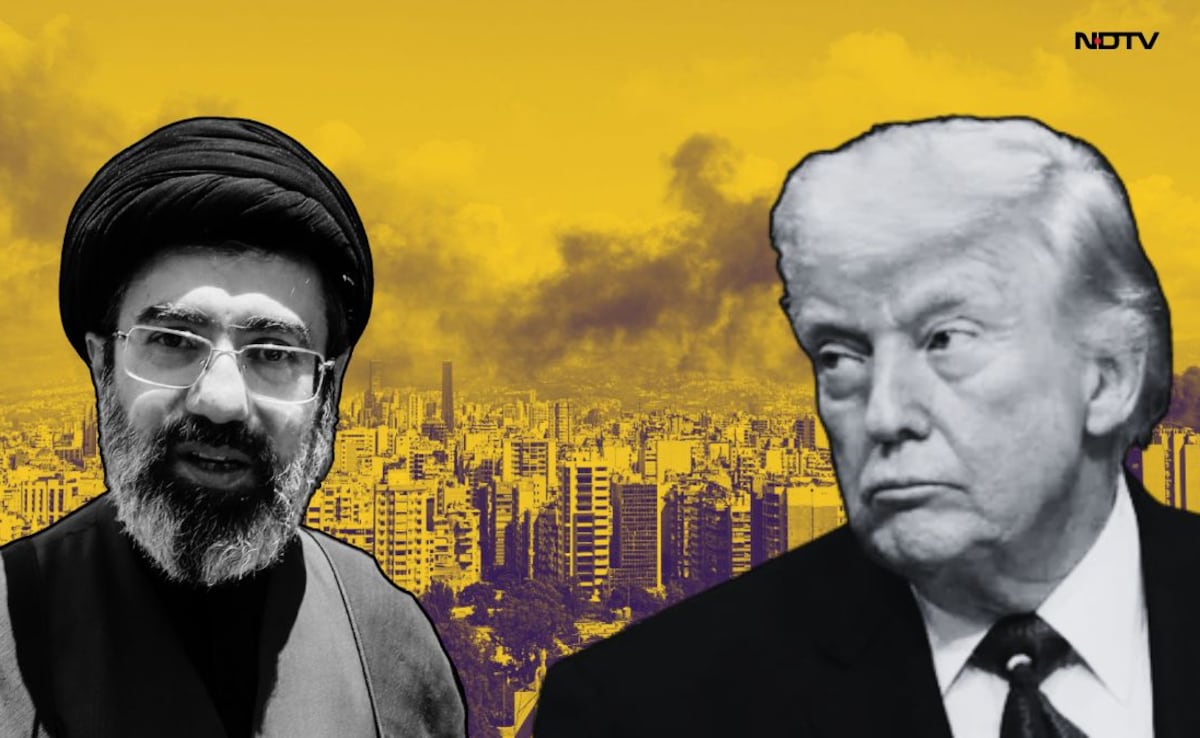
Dangerous Time-Out in Iran
The standstill in negotiations between Washington and Tehran brings renewed threats of instability with every day that passes.
Peace negotiations between the U.S. and Iran, with the reopening of the Strait of Hormuz being the most urgent objective, continue to drag on endlessly and have entered an indefinite time-out. The result is the continuation, every day that passes, of the slow but sure strangulation of the Middle East oil corridor. With this comes the possibility of worldwide recession. There are no signs of the slightest agreement to allow not only what seems like an impossible return to normalcy, but at the very least reopening the flow of oil through the strait. This temporary ceasefire could give an impression of a permanent end to hostilities. To think this would be delusional and dangerous.
One reason for the paralysis is that Israel has put Lebanon outside the peace equation. Under the pretext of defeating Hezbollah, the pro-Iranian armed guerrilla faction that is omnipresent in this Mediterranean country, Israel has continued to bombard infrastructure and civilian buildings. It is advancing without resistance in its declared aim to occupy 10% of Lebanese territory by force. It is clear that the regime in Tehran has survived the decapitation of its leadership and has redoubled its violent internal repression. What is more, support from Russia is becoming more open. Iran has supplied a significant number of drones to the nuclear superpower for its campaign in Ukraine. The reception in Moscow by Vladmir Putin of Iranian Foreign Minister Abbas Araghchi was much more than mere symbolism.
Meanwhile, rich economies are revising growth predictions downward. The Food and Agriculture Organization has warned that poor economies are facing a food security emergency. Tehran and Washington have embarked on a desperate game of cat and mouse. Iran took Donald Trump at his word over his demand for a peace plan and presented a three-stage proposal that the U.S. administration immediately rejected. According to the Iranian plan, the first phase would be an end to U.S. and Israeli hostilities, not only against Iran but also against Lebanon. The second phase would be an agreement on conditions for reopening Hormuz. The third would be discussions regarding the nuclear question. However, Trump considers that an agreement to avoid a nuclear future for Iran should be the priority. This is the same Trump who in 2018, having just stepped foot in the White House, rejected the nuclear agreement signed by his predecessor, Barack Obama, after years of hard diplomatic effort.
One of the side effects of the unresolved military tension was the announcement on Tuesday by the United Arab Emirates that they would be leaving OPEC, the cartel formed of the largest oil producers. As well as the effect this will have on control of the price of crude oil, the UAE is stoking division in a region that has been careful to avoid being drawn into the conflict despite attacks from Tehran. Paradoxically, the ayatollahs and Trump coincide in their desire to involve more countries in the war. While the Emirates might not be getting involved, this decision opens up a breach in the region that will be difficult to close.
Peace negotiations between the U.S. and Iran, with the reopening of the Strait of Hormuz being the most urgent objective, continue to drag on endlessly and have entered an indefinite time-out. The result is the continuation, every day that passes, of the slow but sure strangulation of the Middle East oil corridor. With this comes the possibility of worldwide recession. There are no signs of the slightest agreement to allow not only what seems like an impossible return to normalcy, but at the very least reopening the flow of oil through the strait. This temporary ceasefire could give an impression of a permanent end to hostilities. To think this would be delusional and dangerous.
One reason for the paralysis is that Israel has put Lebanon outside the peace equation. Under the pretext of defeating Hezbollah, the pro-Iranian armed guerrilla faction that is omnipresent in this Mediterranean country, Israel has continued to bombard infrastructure and civilian buildings. It is advancing without resistance in its declared aim to occupy 10% of Lebanese territory by force. It is clear that the regime in Tehran has survived the decapitation of its leadership and has redoubled its violent internal repression. What is more, support from Russia is becoming more open. Iran has supplied a significant number of drones to the nuclear superpower for its campaign in Ukraine. The reception in Moscow by Vladmir Putin of Iranian Foreign Minister Abbas Araghchi was much more than mere symbolism.
Meanwhile, rich economies are revising growth predictions downward. The Food and Agriculture Organization has warned that poor economies are facing a food security emergency. Tehran and Washington have embarked on a desperate game of cat and mouse. Iran took Donald Trump at his word over his demand for a peace plan and presented a three-stage proposal that the U.S. administration immediately rejected. According to the Iranian plan, the first phase would be an end to U.S. and Israeli hostilities, not only against Iran but also against Lebanon. The second phase would be an agreement on conditions for reopening Hormuz. The third would be discussions regarding the nuclear question. However, Trump considers that an agreement to avoid a nuclear future for Iran should be the priority. This is the same Trump who in 2018, having just stepped foot in the White House, rejected the nuclear agreement signed by his predecessor, Barack Obama, after years of hard diplomatic effort.
One of the side effects of the unresolved military tension was the announcement on Tuesday by the United Arab Emirates that they would be leaving OPEC, the cartel formed of the largest oil producers. As well as the effect this will have on control of the price of crude oil, the UAE is stoking division in a region that has been careful to avoid being drawn into the conflict despite attacks from Tehran. Paradoxically, the ayatollahs and Trump coincide in their desire to involve more countries in the war. While the Emirates might not be getting involved, this decision opens up a breach in the region that will be difficult to close.
Previous article

Next article
