Can US Iran Negotiations Succeed?
What exactly will the United States and Iran discuss in the next round of negotiations? And is there any possibility of success?
First, regarding the substance of the negotiations, the United States initially put forward roughly 20 conditions, which were rejected by Iran. By and large, these conditions were based on furthering the best interests of the United States, including agreement that Iran not possess the capability to manufacture nuclear weapons, and that it hand over more than 400 kilograms (about 882 pounds) of highly enriched uranium, accept joint management with the United States of the Strait of Hormuz, adhere to limits on its missile and drone development, and cease to cultivate its regional proxies. Thanks to a strategy of horizontal and vertical upgrades and its control of a key maritime choke point that determines one-fifth of the world’s energy flow, Iran has not been at a disadvantage in its conflict with the United States and Israel; on the contrary, it has demonstrated a degree of strategic advantage, and therefore holds the bargaining chips.
Iran presented 10 negotiation conditions of its own, similarly aimed at maximizing Iran’s interests. These included the lifting of American sanctions, compensation for war-related damages, withdrawal of U.S. troops from the Middle East, and recognition of Iran’s control over the Strait of Hormuz. Given that the United States has claimed to have destroyed Iran’s navy, air defense systems, military capabilities, and to have won the war, it is unlikely the U.S. will agree in full to Iran’s conditions.
In the initial stages of the negotiations, both sides presented the terms that best served their respective interests. Next came the first round of formal negotiations in Pakistan between the United States and Iran. Both sides dispatched very high-level representatives: The United States sent Vice President JD Vance, and Iran sent the powerful speaker of the Iranian parliament, Mohammad Bagher Ghalibaf, demonstrating that both parties were eager to secure a permanent ceasefire and a peace agreement.
Conversely, in those formal negotiations, and likely due to the desire of both sides to come to an agreement as quickly as possible, the parties focused on only three conditions: lifting economic sanctions against Iran, prohibiting Iran from possessing nuclear weapons, and management of the Strait of Hormuz. According to sources familiar with the matter, the two parties had basically already reached a consensus, but the United States then introduced additional conditions, causing these first formal talks to break down
This weekend, the United States and Iran will hold a second round of formal talks, likely focusing on the three key issues mentioned above. And it is easy to see why: With the ceasefire expiration date looming, both sides are as eager for a successful peace agreement now as they were for a ceasefire then. Trump even stated that he would personally travel to Pakistan to sign the agreement if the talks were successful.*
For the peace talks to succeed, both sides, therefore, need to compromise. For one thing, the parties need to negotiate lifting economic sanctions against Iran in conjunction with the second and third issues, namely that Iran cannot possess nuclear weapons, and determining the management of the Strait of Hormuz, respectively. The core interest for the United States is that Iran not possess nuclear weapons; for its part, while Iran may promise not to possess nuclear weapons, its own core demand, in essence, is the right to use nuclear technology rather than to possess nuclear arms. As for how this would be monitored in concrete terms, it would likely require a return to the specific provisions of the Iran nuclear deal (the Joint Comprehensive Plan of Action) from which Trump withdrew, to ensure the technological oversight needed to guarantee Iran’s non-nuclear status.
But this set of negotiations is not expected to address issues such as oversight. Trump would prefer a swift and visibly productive agreement: As long as the deal involves Iran committing to not possessing nuclear weapons, he will have achieved his [objective] and can declare victory. As for oversight matters, these may be left to a handful of relatively unimportant technocrats once a ceasefire agreement has been reached. On the nuclear issue, the United States may demand that Iran surrender more than 400 kilograms (about 882 pounds) of enriched uranium. Should Iran refuse, the United States could suggest diluting the uranium or storing it in a third-party country, thus gaining the reassurance that, once a ceasefire is in place, Iran will not immediately be able to convert it into nuclear weapons.
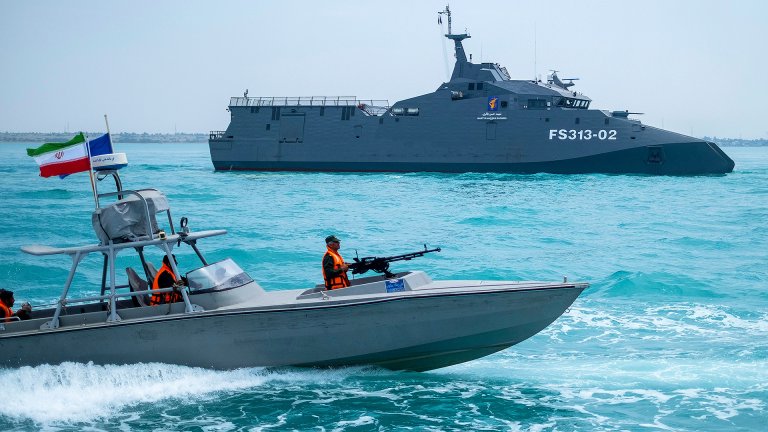
For another thing, with regard to the management of the Strait of Hormuz, Iran is asserting its dominance over the waterway, but the United States is concerned that, even after a ceasefire, an Iran-controlled Strait of Hormuz will remain a crucial bargaining chip for Tehran against the United States and Middle Eastern countries, and a key means of influencing global energy flows and the wider economy, with an effect comparable to that of having a nuclear weapon. As both president and businessman, Trump has repeatedly stated his desire to control the Strait of Hormuz given its immense business potential. The United States is therefore likely to propose joint management of the strait by itself and Iran — a scenario that Iran is just as unlikely to accept, as it would mean relinquishing its most valuable bargaining chip. Joint administration of the Strait of Hormuz by Iran and Oman would be one possible compromise. Finally, if agreements are reached on all the above terms, the United States could lift its economic sanctions on Iran.
The pressure behind both sides to push for peace talks is very real. So long as both make appropriate concessions and compromises with regard to the negotiations’ contents, I believe the chances of a successful outcome remain fairly high.
*Editor's note: The second round of negotiations were abruptly canceled Saturday April 25 just before U.S. envoys Steve Witkoff and Jared Kushner were scheduled to fly to Pakistan.
First, regarding the substance of the negotiations, the United States initially put forward roughly 20 conditions, which were rejected by Iran. By and large, these conditions were based on furthering the best interests of the United States, including agreement that Iran not possess the capability to manufacture nuclear weapons, and that it hand over more than 400 kilograms (about 882 pounds) of highly enriched uranium, accept joint management with the United States of the Strait of Hormuz, adhere to limits on its missile and drone development, and cease to cultivate its regional proxies. Thanks to a strategy of horizontal and vertical upgrades and its control of a key maritime choke point that determines one-fifth of the world’s energy flow, Iran has not been at a disadvantage in its conflict with the United States and Israel; on the contrary, it has demonstrated a degree of strategic advantage, and therefore holds the bargaining chips.
Iran presented 10 negotiation conditions of its own, similarly aimed at maximizing Iran’s interests. These included the lifting of American sanctions, compensation for war-related damages, withdrawal of U.S. troops from the Middle East, and recognition of Iran’s control over the Strait of Hormuz. Given that the United States has claimed to have destroyed Iran’s navy, air defense systems, military capabilities, and to have won the war, it is unlikely the U.S. will agree in full to Iran’s conditions.
In the initial stages of the negotiations, both sides presented the terms that best served their respective interests. Next came the first round of formal negotiations in Pakistan between the United States and Iran. Both sides dispatched very high-level representatives: The United States sent Vice President JD Vance, and Iran sent the powerful speaker of the Iranian parliament, Mohammad Bagher Ghalibaf, demonstrating that both parties were eager to secure a permanent ceasefire and a peace agreement.
Conversely, in those formal negotiations, and likely due to the desire of both sides to come to an agreement as quickly as possible, the parties focused on only three conditions: lifting economic sanctions against Iran, prohibiting Iran from possessing nuclear weapons, and management of the Strait of Hormuz. According to sources familiar with the matter, the two parties had basically already reached a consensus, but the United States then introduced additional conditions, causing these first formal talks to break down
This weekend, the United States and Iran will hold a second round of formal talks, likely focusing on the three key issues mentioned above. And it is easy to see why: With the ceasefire expiration date looming, both sides are as eager for a successful peace agreement now as they were for a ceasefire then. Trump even stated that he would personally travel to Pakistan to sign the agreement if the talks were successful.*
For the peace talks to succeed, both sides, therefore, need to compromise. For one thing, the parties need to negotiate lifting economic sanctions against Iran in conjunction with the second and third issues, namely that Iran cannot possess nuclear weapons, and determining the management of the Strait of Hormuz, respectively. The core interest for the United States is that Iran not possess nuclear weapons; for its part, while Iran may promise not to possess nuclear weapons, its own core demand, in essence, is the right to use nuclear technology rather than to possess nuclear arms. As for how this would be monitored in concrete terms, it would likely require a return to the specific provisions of the Iran nuclear deal (the Joint Comprehensive Plan of Action) from which Trump withdrew, to ensure the technological oversight needed to guarantee Iran’s non-nuclear status.
But this set of negotiations is not expected to address issues such as oversight. Trump would prefer a swift and visibly productive agreement: As long as the deal involves Iran committing to not possessing nuclear weapons, he will have achieved his [objective] and can declare victory. As for oversight matters, these may be left to a handful of relatively unimportant technocrats once a ceasefire agreement has been reached. On the nuclear issue, the United States may demand that Iran surrender more than 400 kilograms (about 882 pounds) of enriched uranium. Should Iran refuse, the United States could suggest diluting the uranium or storing it in a third-party country, thus gaining the reassurance that, once a ceasefire is in place, Iran will not immediately be able to convert it into nuclear weapons.
For another thing, with regard to the management of the Strait of Hormuz, Iran is asserting its dominance over the waterway, but the United States is concerned that, even after a ceasefire, an Iran-controlled Strait of Hormuz will remain a crucial bargaining chip for Tehran against the United States and Middle Eastern countries, and a key means of influencing global energy flows and the wider economy, with an effect comparable to that of having a nuclear weapon. As both president and businessman, Trump has repeatedly stated his desire to control the Strait of Hormuz given its immense business potential. The United States is therefore likely to propose joint management of the strait by itself and Iran — a scenario that Iran is just as unlikely to accept, as it would mean relinquishing its most valuable bargaining chip. Joint administration of the Strait of Hormuz by Iran and Oman would be one possible compromise. Finally, if agreements are reached on all the above terms, the United States could lift its economic sanctions on Iran.
The pressure behind both sides to push for peace talks is very real. So long as both make appropriate concessions and compromises with regard to the negotiations’ contents, I believe the chances of a successful outcome remain fairly high.
*Editor's note: The second round of negotiations were abruptly canceled Saturday April 25 just before U.S. envoys Steve Witkoff and Jared Kushner were scheduled to fly to Pakistan.
Previous article
Next article