
Advertisers Should Give Twitter a Wide Berth
The Twitter community here in Austria has always been small. The current swing to the right is making the network extremely unattractive for advertisers.
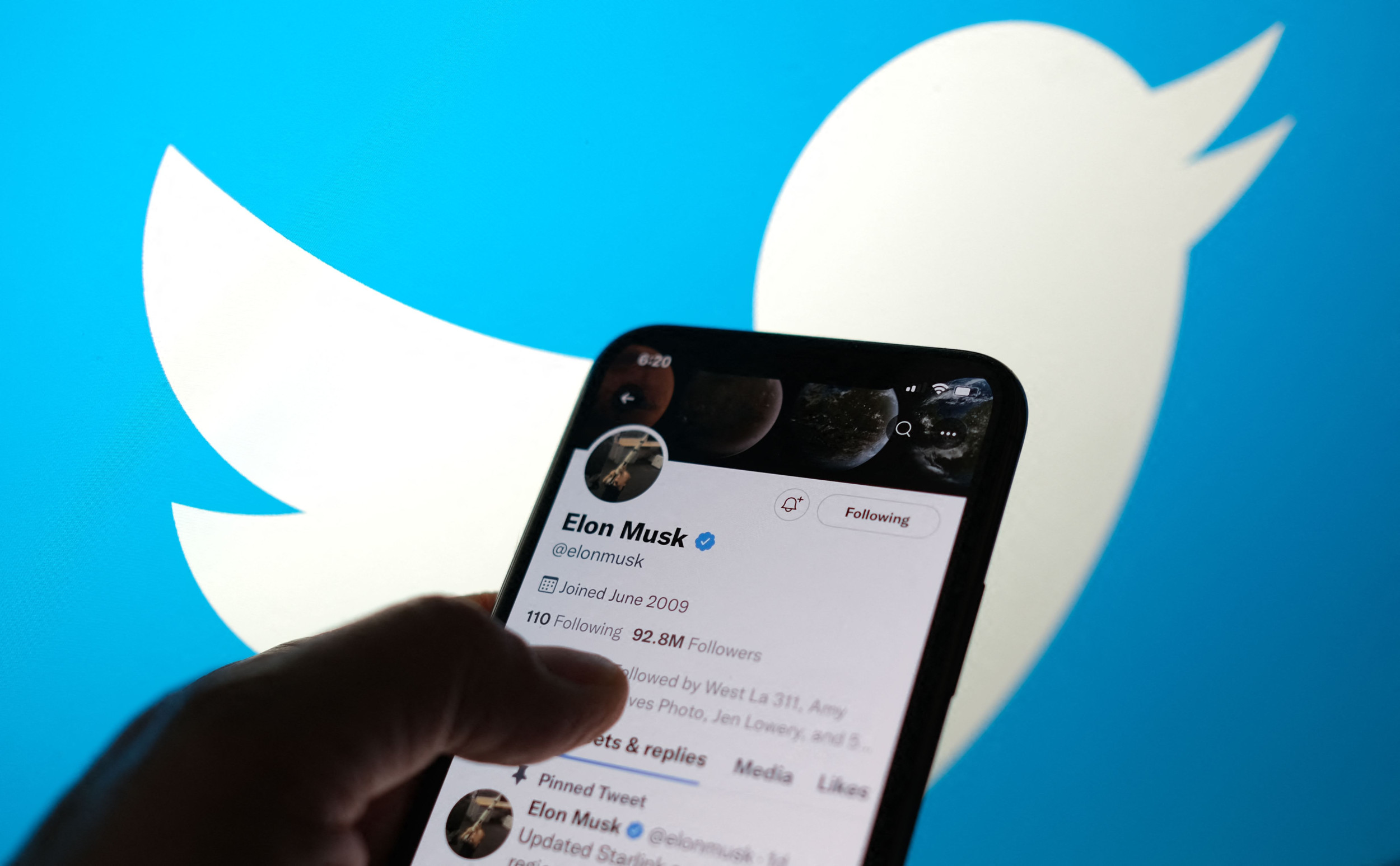
Last week, new owner Elon Musk told advertisers that Twitter cannot become a “hellscape,” but should be “warm and welcoming to all.” Given what has happened since then, there is reason to doubt this pledge. The use of the N-word on the platform has increased by 500%, and there has also been an increase in the number of misogynistic and anti-LGBTQ messages. For now, Musk himself has sunk to the lowest level by spreading fake news about the attack on Paul Pelosi.
We can assume that these developments provide an insight into the future direction Twitter will take. Consequently, advertisers would do well to follow the example of Tesla competitor General Motors, which has paused its advertising on Twitter for the time being.
First of all, money rules the world, and businessmen like Musk understand only one thing. They don't call on morals unless they are losing business.
Secondly, corporate business should act in a way that is beyond commercial self-interest. After all, Twitter has always been a niche platform primarily used by politicians and journalists, especially in Austria. Now, this small target group could be overrun by a mob who tweet content that companies want nothing to do with.
Your product side by side with antisemitic conspiracy theories? No, thanks. There are plenty of more reputable alternatives that are relevant to a broader number of people.
Last week, new owner Elon Musk told advertisers that Twitter cannot become a “hellscape,” but should be “warm and welcoming to all.” Given what has happened since then, there is reason to doubt this pledge. The use of the N-word on the platform has increased by 500%, and there has also been an increase in the number of misogynistic and anti-LGBTQ messages. For now, Musk himself has sunk to the lowest level by spreading fake news about the attack on Paul Pelosi.
We can assume that these developments provide an insight into the future direction Twitter will take. Consequently, advertisers would do well to follow the example of Tesla competitor General Motors, which has paused its advertising on Twitter for the time being.
First of all, money rules the world, and businessmen like Musk understand only one thing. They don't call on morals unless they are losing business.
Secondly, corporate business should act in a way that is beyond commercial self-interest. After all, Twitter has always been a niche platform primarily used by politicians and journalists, especially in Austria. Now, this small target group could be overrun by a mob who tweet content that companies want nothing to do with.
Your product side by side with antisemitic conspiracy theories? No, thanks. There are plenty of more reputable alternatives that are relevant to a broader number of people.
Previous article
Next article
:format(webp)/https://www.thestar.com/content/dam/thestar/opinion/contributors/2022/11/11/did-the-us-midterms-represent-the-beginning-of-the-end-for-donald-trump-dont-bet-on-it/donald_trump_midterms.jpg "Did the US Midterms Represent the Beginning of the End for Donald Trump? Don’t Bet on It")