
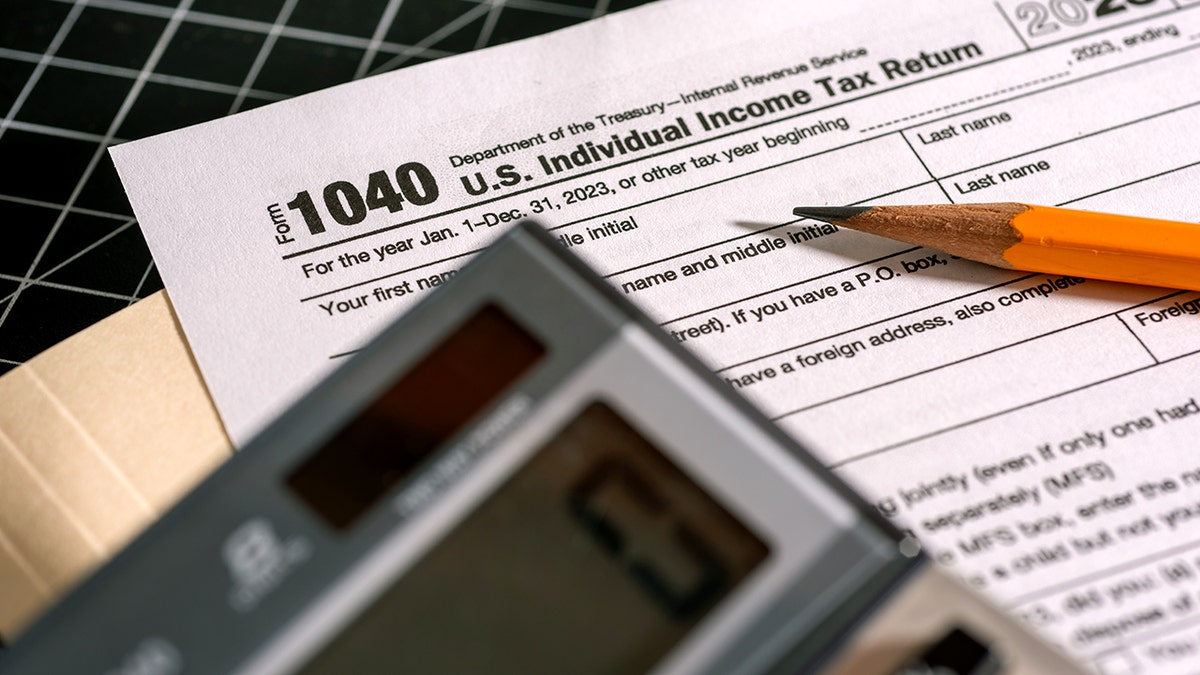
Taxes, the Forbidden Word on the American Right
For decades, the American right has sought votes by offering generous tax cuts, theoretically offset by reductions in government spending. But only in theory, given that even under Ronald Reagan — the “small government” president — the national debt tripled.
As if the war with Iran, sky-high gas prices and wages eroded by increasingly expensive grocery bills were not enough, Republicans now face yet another specter on the campaign trail: higher taxes — all while Donald Trump builds ballrooms and triumphal arches.
For decades, the American right has sought votes by offering generous tax cuts, theoretically offset by reductions in government spending. But only in theory, given that even under Ronald Reagan — the “small government” president — the national debt tripled. Debt continued to rise dramatically for decades, reaching $40 trillion and weighing heavily on the Treasury. Yet within the Republican Party, no one ever seriously considered raising taxes — a move regarded as electorally fatal and normally associated with Democrats. Instead, tax breaks and rate cuts continued.
Not even Democratic presidents were able to plug the holes. In fact, Barack Obama and Joe Biden also increased spending to counter the recessionary effects of the 2008 financial collapse and the 2020 pandemic. As a result, U.S. debt, further fueled by Trump, has reached alarming levels, rattling global financial markets and driving up the cost of borrowing. But the Republican politicians who have broken the taboo and are now considering tax increases — especially the payroll taxes that fund Social Security — have something else in mind: the approaching depletion of the program’s trust funds. If nothing is done, the system will become insolvent in 2032, causing drastic cuts to retirement benefits.
Grover Norquist, head of the anti-tax lobby, warns that touching taxes is like touching high-voltage wires. However, several prominent conservative representatives and senators have entered the debate, arguing that the collapse of the Social Security system would have even more catastrophic political consequences.
And Trump? He does not want to hear about either higher taxes or cuts to retirement benefits. Instead, he is now promising to give $5,000 to every American adult if he wins the midterm elections.
The year 2032 is not his problem.
As if the war with Iran, sky-high gas prices and wages eroded by increasingly expensive grocery bills were not enough, Republicans now face yet another specter on the campaign trail: higher taxes — all while Donald Trump builds ballrooms and triumphal arches.
For decades, the American right has sought votes by offering generous tax cuts, theoretically offset by reductions in government spending. But only in theory, given that even under Ronald Reagan — the “small government” president — the national debt tripled. Debt continued to rise dramatically for decades, reaching $40 trillion and weighing heavily on the Treasury. Yet within the Republican Party, no one ever seriously considered raising taxes — a move regarded as electorally fatal and normally associated with Democrats. Instead, tax breaks and rate cuts continued.
Not even Democratic presidents were able to plug the holes. In fact, Barack Obama and Joe Biden also increased spending to counter the recessionary effects of the 2008 financial collapse and the 2020 pandemic. As a result, U.S. debt, further fueled by Trump, has reached alarming levels, rattling global financial markets and driving up the cost of borrowing. But the Republican politicians who have broken the taboo and are now considering tax increases — especially the payroll taxes that fund Social Security — have something else in mind: the approaching depletion of the program’s trust funds. If nothing is done, the system will become insolvent in 2032, causing drastic cuts to retirement benefits.
Grover Norquist, head of the anti-tax lobby, warns that touching taxes is like touching high-voltage wires. However, several prominent conservative representatives and senators have entered the debate, arguing that the collapse of the Social Security system would have even more catastrophic political consequences.
And Trump? He does not want to hear about either higher taxes or cuts to retirement benefits. Instead, he is now promising to give $5,000 to every American adult if he wins the midterm elections.
The year 2032 is not his problem.
Previous article

Next article
