Who Threatens the United States?
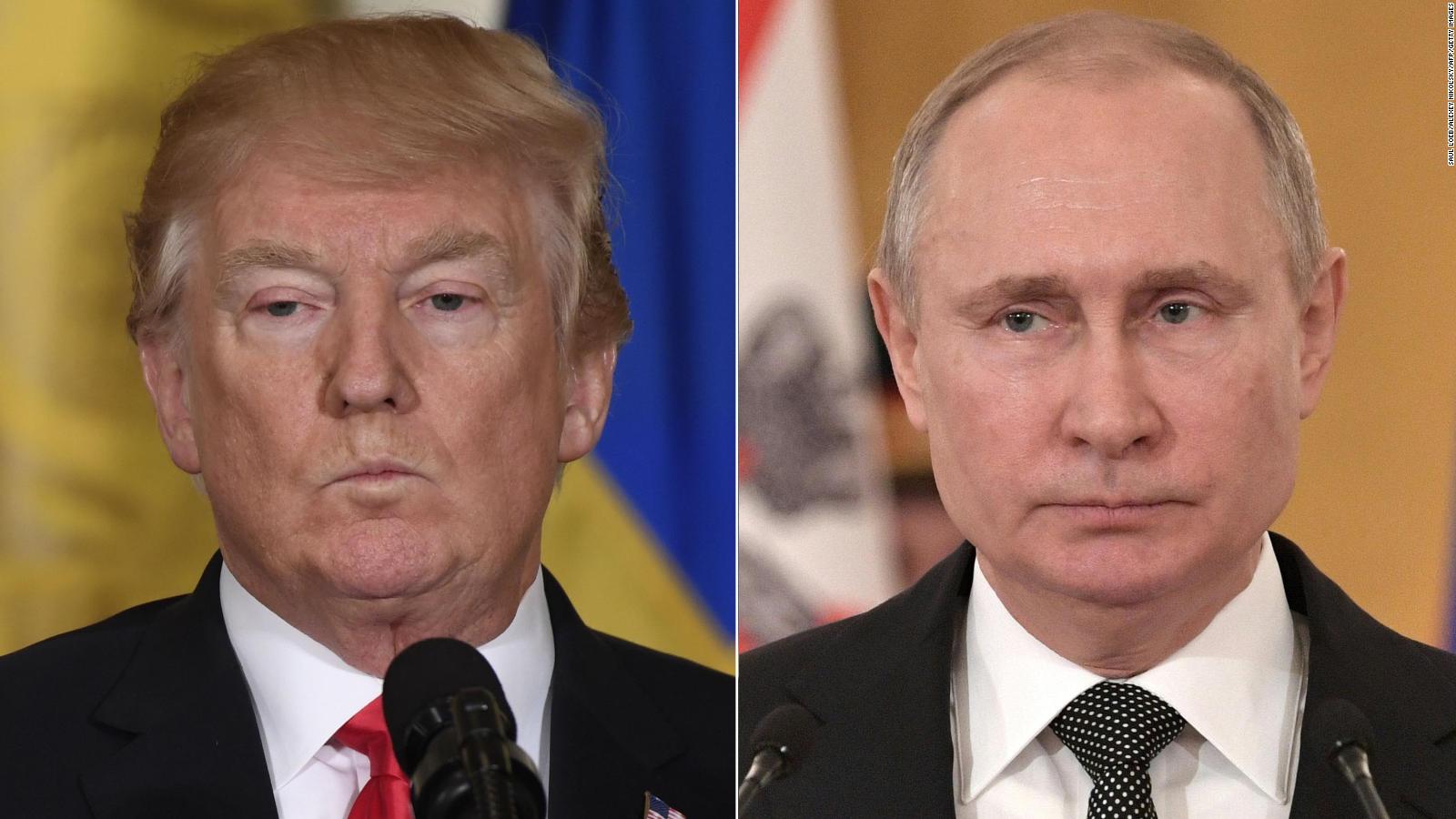
The accusation directed against Russia for its interference in the last American presidential election is among the most important factors preventing the improvement of Russia’s relations with the United States, despite the attempts of President Donald Trump to build bridges with his Russian counterpart, Vladimir Putin. The effect of this accusation goes beyond the issue of elections because it supports a considered opinion in American political institutions that views Russia as the main threat to the United States.
However, another opinion of these institutions holds that China is the main threat at present, because it threatens the American economy in an era when economic capacities have become the most important aspects of countries’ overall powers.
This disagreement over the main sources of threat raises an important question about the point of the sanctions that the United States is imposing on both Russia and China, and their significance in relation to the prioritization of threats. Perhaps careful consideration of the nature of these sanctions leads to the conclusion that those who see Russia as a main source of threat do not disagree that China represents a threat, in turn, and vice versa.
Although the sanctions are economic in both cases, the objective differs for each. First of all, the economic sanctions on Russia have a political goal: They are an attempt to coerce Moscow into changing some of its policies on issues in dispute between the United States and Russia. As for the sanctions against China, they are economic in nature, as that is their main objective. Therefore, calling them sanctions is excessive because they are essentially measures resulting from a protectionist policy seeking to reduce the deficit in the trade balance with China, and they achieve some sort of balance in an effort to minimize the losses that the American economy is enduring because of it.
This is the first time that a huge disagreement is occurring between these institutions which make and shape American foreign policy regarding the main sources of threat since the United States became a superpower engaged in the international order. The source of the threat had been limited to the former Soviet Union for more than four decades and then declined after its breakup. However, Putin has made progress in his efforts because Russia draws upon the standing of the Soviet Union, or what is possible, and has gradually transformed Russia into a source of danger for an important segment of American foreign policy makers.
It is notable that the perception of a Russian threat increased in the last two years in conjunction with a growing realization that China has begun to represent another source of threat, particularly in northeast Asia. Perhaps observing this concurrence helps explain the conspicuous disagreement today in the United States regarding the main source of threat, after both of these threats started to crystalize into a more specific picture than existed when the U.S.-Russia conflict escalated over Ukraine, and when the trade deficit with China increased.
Despite the absence of a clear division in American foreign policy institutions and desire of both sides to coexist, it is unlikely that the disagreement between the United States and Russia will reach a higher level in the period ahead. Some of those who view China as the main source of a threat are calling for support of Trump’s trend toward rapprochement with Russia for the sake of confronting this threat. They believe that China’s threat to American interests is not only commercial, but also strategic, after China achieved what it considers full de facto control of its surroundings and made important strides in its biggest project, the Belt and Road Initiative, which will strengthen China’s influence in many parts of the world.
As for those who see Russia as the main source of threats, they dwell on the danger of Russia’s ongoing intervention in Ukraine after the annexation of Crimea; its support for Iran, which Washington believes is destabilizing the Middle East region; its continued cyberattacks against American and European targets; and its attempts to undermine democracy in the United States through influencing its elections.
American foreign policy is going through an unprecedented period. It is not possible to hide the confusion of officials charged with policy decisions regarding the main and most dangerous source of threat. However, this situation is unlikely to place in a difficult position unless they need to focus on their country’s capacity and ability to confront one of these sources of threat, cooperate with one against the other, or strengthen the position of the United States in the world order in general.
However, another opinion of these institutions holds that China is the main threat at present, because it threatens the American economy in an era when economic capacities have become the most important aspects of countries’ overall powers.
This disagreement over the main sources of threat raises an important question about the point of the sanctions that the United States is imposing on both Russia and China, and their significance in relation to the prioritization of threats. Perhaps careful consideration of the nature of these sanctions leads to the conclusion that those who see Russia as a main source of threat do not disagree that China represents a threat, in turn, and vice versa.
Although the sanctions are economic in both cases, the objective differs for each. First of all, the economic sanctions on Russia have a political goal: They are an attempt to coerce Moscow into changing some of its policies on issues in dispute between the United States and Russia. As for the sanctions against China, they are economic in nature, as that is their main objective. Therefore, calling them sanctions is excessive because they are essentially measures resulting from a protectionist policy seeking to reduce the deficit in the trade balance with China, and they achieve some sort of balance in an effort to minimize the losses that the American economy is enduring because of it.
This is the first time that a huge disagreement is occurring between these institutions which make and shape American foreign policy regarding the main sources of threat since the United States became a superpower engaged in the international order. The source of the threat had been limited to the former Soviet Union for more than four decades and then declined after its breakup. However, Putin has made progress in his efforts because Russia draws upon the standing of the Soviet Union, or what is possible, and has gradually transformed Russia into a source of danger for an important segment of American foreign policy makers.
It is notable that the perception of a Russian threat increased in the last two years in conjunction with a growing realization that China has begun to represent another source of threat, particularly in northeast Asia. Perhaps observing this concurrence helps explain the conspicuous disagreement today in the United States regarding the main source of threat, after both of these threats started to crystalize into a more specific picture than existed when the U.S.-Russia conflict escalated over Ukraine, and when the trade deficit with China increased.
Despite the absence of a clear division in American foreign policy institutions and desire of both sides to coexist, it is unlikely that the disagreement between the United States and Russia will reach a higher level in the period ahead. Some of those who view China as the main source of a threat are calling for support of Trump’s trend toward rapprochement with Russia for the sake of confronting this threat. They believe that China’s threat to American interests is not only commercial, but also strategic, after China achieved what it considers full de facto control of its surroundings and made important strides in its biggest project, the Belt and Road Initiative, which will strengthen China’s influence in many parts of the world.
As for those who see Russia as the main source of threats, they dwell on the danger of Russia’s ongoing intervention in Ukraine after the annexation of Crimea; its support for Iran, which Washington believes is destabilizing the Middle East region; its continued cyberattacks against American and European targets; and its attempts to undermine democracy in the United States through influencing its elections.
American foreign policy is going through an unprecedented period. It is not possible to hide the confusion of officials charged with policy decisions regarding the main and most dangerous source of threat. However, this situation is unlikely to place in a difficult position unless they need to focus on their country’s capacity and ability to confront one of these sources of threat, cooperate with one against the other, or strengthen the position of the United States in the world order in general.
Previous article

Next article