Cheng Chi-sheng: US Hegemony Is Fueling International ‘US-Skepticism, China-Alignment’
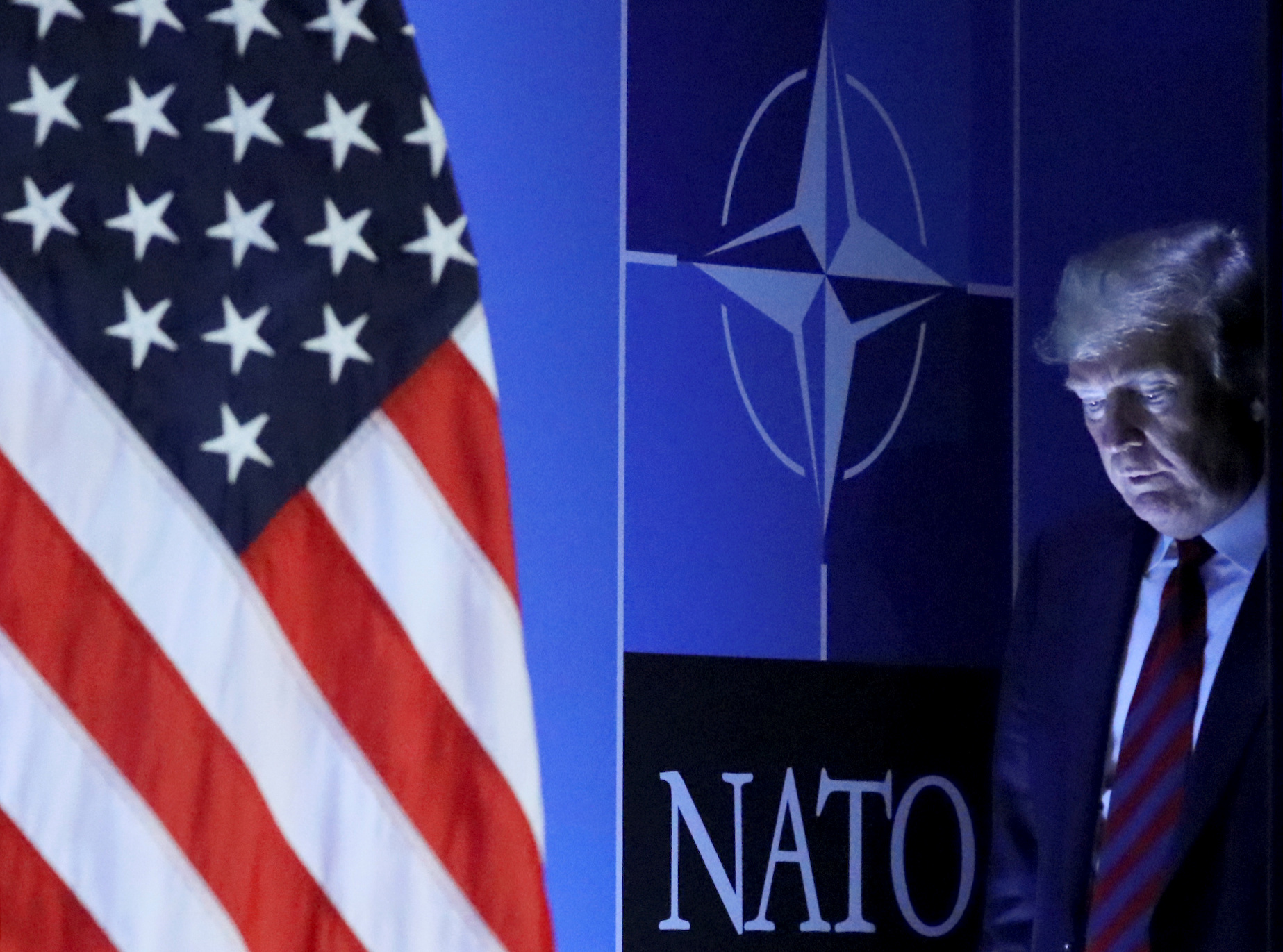
President Donald Trump continues to advance his strategic goal of controlling Greenland. In an interview with China Review News, retired Taiwanese Army Major General Cheng Chi-sheng stated that Trump is exhibiting textbook hegemonic behavior, with all his foreign policy serving his “Make America Great Again” agenda. He has not only targeted Latin America but has also set his sights on Greenland, which belongs to Denmark. This is destabilizing traditional Western institutions, including NATO; we are watching American self-interest accelerate “America-skepticism and China-alignment” within the international community. He said that when one of the G2 powers cannot be trusted, the other gains an opportunity to seize discourse power.
Cheng is a member of Taiwan’s Kuomintang who originally hails from Jian’ou, Fujian Province. He is a retired major general and currently serves as executive director of the Taiwan-based Chinese Integration Association, director of the History Education New Three-Self Movement Association, and chairman of the Shi-chi Culture and Ke-Yi Culture publishing houses.
Trump has repeatedly expressed his intention to control of Greenland for national security reasons. His stance has recently become more hard-line, to the point of threatening tariffs on European countries opposing American control of Greenland, including Denmark, Norway, Sweden, France, Germany, the U.K., the Netherlands and Finland, sparking a backlash across the continent.
Following his meeting with NATO Secretary General Mark Rutte on Jan. 21, Trump posted that, based on their productive discussion, they had established a framework agreement regarding Greenland’s future, and that, once finalized, the solution would have positive outcomes for the United States and all members of NATO. On that basis, Trump is unlikely to implement the tariffs originally scheduled to take effect on Feb. 1 against certain European countries. How this unfolds warrants careful attention.
In response to the United States’ strategic designs on Greenland, Cheng stated that, from a geopolitical point of view, Trump’s actions were essentially aimed at fulfilling his “Make America Great Again” vision and maintaining American hegemony via the most primitive and forcefully imperialistic means.
According to Trump’s strategic logic, Cheng pointed out, the post-World War II U.N. system and the international order were no longer a safeguard, but a constraint. The United States had therefore chosen to actively dismantle the existing international system, transforming global affairs into a primarily transactions-based game.
Greenland’s emergence as a focal point was by no means due to American expansionist ambitions alone, he said, but also because it represented a lifeline to the United States’ future survival. Located to the northeast of Canada and with climate change leading to the gradual opening of Arctic shipping routes, Greenland’s geostrategic value is growing exponentially, and this makes it a choke point for controlling emerging trade routes in the Northern Hemisphere. In addition, the island possesses abundant rare-earth elements and other key strategic resources, which are vital to the United States’ control over high-tech industry supply chains.
Cheng noted Trump’s extreme flight of fancy in threatening to treat Canada as the United States’ 51st state, and that this revival of the Monroe Doctrine, which views North and South America as the United States’ “own backyard,” had been laid bare in Trump’s capture of the Venezuelan president and his hardline stance against other Central and South American countries. The core purpose of these tactics was to send a warning to competitors like China: The sphere of influence from North to South America must remain inviolate.
Cheng further pointed out that Greenland was geographically part of North America, and that controlling it was quite consistent with Trump’s strategic logic. The United States was exhibiting textbook imperialist behavior internationally, Cheng said; more than just an extension into Europe, this transactional diplomacy was seen in Asia as control over technological lifelines. Although Trump had echoed the U.S.-China G2 framework, implicitly acknowledging that the Pacific Ocean is large enough to accommodate both China and the United States, his strategic stance with regard to Taiwan had never wavered.
Taking the Taiwan Semiconductor Manufacturing Company as an example, Cheng said, even though Taiwan’s ruling Democratic Progressive Party was relieved that tariff negotiations with the United States had resulted in downward revisions and no additional tariff layering, Washington’s pressure on TSMC to relocate its massive production capacity to the United States is, in effect, strategic plundering by another name. As far as Trump is concerned, whether it is Greenland’s territory or Taiwan’s semiconductor industry, if it cannot be obtained through diplomacy, then tariffs are there to be weaponized –- a disregard for allies’ concerns that has left European countries deeply unsettled.
Cheng argued that despite its anger at the United States’ imperious behavior, Europe was powerless to do anything about it, as the EU appeared to be willing in spirit but weak in the flesh, and NATO was on the verge of collapse due to American withdrawalism and unpredictability. The United States’ successive exits from multiple international organizations made it an untrustworthy power, and this would accelerate the international shift toward America-skepticism and China-alignment.
Cheng further cited Canada as an example, noting the country’s recent and remarkable diplomatic shift: On his visit to China, Canadian Prime Minister Mark Carney reached strategic agreements with Beijing, including tariff concessions on electric vehicles and agricultural products. This has been seen as an attempt by Canada to pursue a more autonomous course under intense trade pressure from the United States.
According to Cheng, as the United States withdraws from one international organization after another and threatens its allies, actively relinquishing its leadership role in the process, a global power vacuum is being created – and this presents mainland China with a historic opportunity. With the EU and Canada both seeking a stable order, if China can lead by example in helping to maintain or even reshape the international order, it will succeed in filling the void left by the United States. More than merely providing a significant boost to China’s status in the international system, such a transition from unilateral hegemony to multilateral co-governance would also incentivize the people of Taiwan to rethink cross-strait relations and the international landscape.
Cheng is a member of Taiwan’s Kuomintang who originally hails from Jian’ou, Fujian Province. He is a retired major general and currently serves as executive director of the Taiwan-based Chinese Integration Association, director of the History Education New Three-Self Movement Association, and chairman of the Shi-chi Culture and Ke-Yi Culture publishing houses.
Trump has repeatedly expressed his intention to control of Greenland for national security reasons. His stance has recently become more hard-line, to the point of threatening tariffs on European countries opposing American control of Greenland, including Denmark, Norway, Sweden, France, Germany, the U.K., the Netherlands and Finland, sparking a backlash across the continent.
Following his meeting with NATO Secretary General Mark Rutte on Jan. 21, Trump posted that, based on their productive discussion, they had established a framework agreement regarding Greenland’s future, and that, once finalized, the solution would have positive outcomes for the United States and all members of NATO. On that basis, Trump is unlikely to implement the tariffs originally scheduled to take effect on Feb. 1 against certain European countries. How this unfolds warrants careful attention.
In response to the United States’ strategic designs on Greenland, Cheng stated that, from a geopolitical point of view, Trump’s actions were essentially aimed at fulfilling his “Make America Great Again” vision and maintaining American hegemony via the most primitive and forcefully imperialistic means.
According to Trump’s strategic logic, Cheng pointed out, the post-World War II U.N. system and the international order were no longer a safeguard, but a constraint. The United States had therefore chosen to actively dismantle the existing international system, transforming global affairs into a primarily transactions-based game.
Greenland’s emergence as a focal point was by no means due to American expansionist ambitions alone, he said, but also because it represented a lifeline to the United States’ future survival. Located to the northeast of Canada and with climate change leading to the gradual opening of Arctic shipping routes, Greenland’s geostrategic value is growing exponentially, and this makes it a choke point for controlling emerging trade routes in the Northern Hemisphere. In addition, the island possesses abundant rare-earth elements and other key strategic resources, which are vital to the United States’ control over high-tech industry supply chains.
Cheng noted Trump’s extreme flight of fancy in threatening to treat Canada as the United States’ 51st state, and that this revival of the Monroe Doctrine, which views North and South America as the United States’ “own backyard,” had been laid bare in Trump’s capture of the Venezuelan president and his hardline stance against other Central and South American countries. The core purpose of these tactics was to send a warning to competitors like China: The sphere of influence from North to South America must remain inviolate.
Cheng further pointed out that Greenland was geographically part of North America, and that controlling it was quite consistent with Trump’s strategic logic. The United States was exhibiting textbook imperialist behavior internationally, Cheng said; more than just an extension into Europe, this transactional diplomacy was seen in Asia as control over technological lifelines. Although Trump had echoed the U.S.-China G2 framework, implicitly acknowledging that the Pacific Ocean is large enough to accommodate both China and the United States, his strategic stance with regard to Taiwan had never wavered.
Taking the Taiwan Semiconductor Manufacturing Company as an example, Cheng said, even though Taiwan’s ruling Democratic Progressive Party was relieved that tariff negotiations with the United States had resulted in downward revisions and no additional tariff layering, Washington’s pressure on TSMC to relocate its massive production capacity to the United States is, in effect, strategic plundering by another name. As far as Trump is concerned, whether it is Greenland’s territory or Taiwan’s semiconductor industry, if it cannot be obtained through diplomacy, then tariffs are there to be weaponized –- a disregard for allies’ concerns that has left European countries deeply unsettled.
Cheng argued that despite its anger at the United States’ imperious behavior, Europe was powerless to do anything about it, as the EU appeared to be willing in spirit but weak in the flesh, and NATO was on the verge of collapse due to American withdrawalism and unpredictability. The United States’ successive exits from multiple international organizations made it an untrustworthy power, and this would accelerate the international shift toward America-skepticism and China-alignment.
Cheng further cited Canada as an example, noting the country’s recent and remarkable diplomatic shift: On his visit to China, Canadian Prime Minister Mark Carney reached strategic agreements with Beijing, including tariff concessions on electric vehicles and agricultural products. This has been seen as an attempt by Canada to pursue a more autonomous course under intense trade pressure from the United States.
According to Cheng, as the United States withdraws from one international organization after another and threatens its allies, actively relinquishing its leadership role in the process, a global power vacuum is being created – and this presents mainland China with a historic opportunity. With the EU and Canada both seeking a stable order, if China can lead by example in helping to maintain or even reshape the international order, it will succeed in filling the void left by the United States. More than merely providing a significant boost to China’s status in the international system, such a transition from unilateral hegemony to multilateral co-governance would also incentivize the people of Taiwan to rethink cross-strait relations and the international landscape.
Previous article
Next article