U.S. President Donald Trump's mercurial temperament is evident from the fact that, after signing a trade deal with South Korea last October, he increased tariffs on Korean goods by 25%, claiming that the country's parliament delayed ratifying the agreement. South Korea is America's closest ally in Asia, but when it comes to trade, Trump imposes his will.
In the trade agreement with the United States, India has promised to purchase $500 billion worth of goods from the United States over the next five years. However, according to the Office of the U.S. Trade Representative, India imported $41.5 billion worth of goods from the United States in 2024.
At this rate, how will it import $500 billion in five years? If Trump doesn't get what he wants, he can make arbitrary accusations and break the agreement at any time to raise tariffs, just as he did with South Korea.
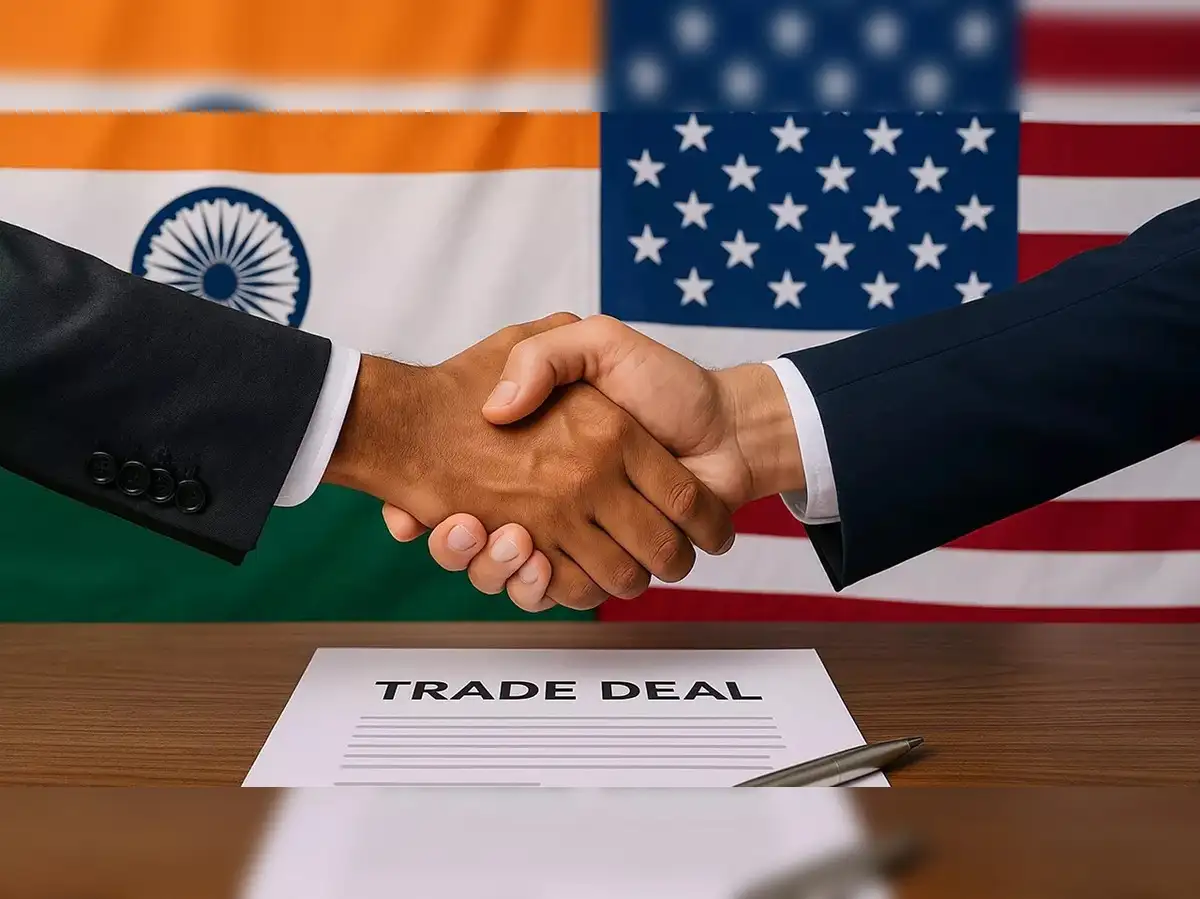
Currently, celebrations are underway in the country over the India-U.S. trade deal, even though it is merely an interim framework. The details remain to be worked out. Trump has claimed he convinced India to stop purchasing oil from Russia, but India has not yet confirmed this.
In reality, as a sovereign nation, India should have the right to purchase oil from anywhere. Trump has reduced tariffs from 50% to 18%, which is lower than tariffs imposed on other countries. However, before Trump's administration took office, tariffs on Indian goods were even lower than this. India's former ambassador to the United States, Navtej Sarna, believes that Trump has damaged not just policy or dealmaking but has undermined his own credibility as a strategic partner.
Previously, American strategy was long-term, whereas today's system is under pressure from one leader's personality. Currently, India-U.S. relations share common ground on issues such as concerns about China's behavior, regional stability, technological security and a rules-based order.
If even one partner changes its approach, these issues will collapse. India must build strategic relationships where rules of benevolent hegemony do not apply. It would be better to celebrate only after the complete details of the trade agreement are revealed. Trump claims that it was due to America's generosity and protection that other countries benefited and raised their living standards, while the United States itself gained nothing.
In reality, Trump has challenged the kind of consensus that was built after World War II. He has destroyed long-standing values. Arm-twisting allies is his policy.
नवभारत संपादकीय: क्या ट्रेड डील पर कायम रहेंगे ट्रंप ?
India US Trade: दक्षिण कोरिया पर अचानक टैरिफ बढ़ाने वाले ट्रंप का रवैया भारत के लिए भी खतरे की घंटी है। 500 अरब डॉलर का लक्ष्य और अंतरिम ढांचा कई सवाल खड़े करता है।
Trump India Trade Deal: अमेरिका के राष्ट्रपति ट्रंप के लहरी स्वभाव का पता इस बात से चलता है कि गत वर्ष अक्टूबर में दक्षिण कोरिया के साथ व्यापार समझौता या ट्रेड डील करने के बाद उन्होंने यह कहकर कोरियाई सामान पर 25 प्रतिशत टैरिफ बढ़ा दिया कि वहां की संसद ने समझौते को मंजूरी देने में विलंब किया। एशिया में दक्षिण कोरिया अमेरिका का निकटतम सहयोगी है लेकिन जब व्यापार की बात आती है तो ट्रंप अपनी मर्जी लादते हैं।
अमेरिका के साथ व्यापार समझौते में भारत ने अगले 5 वर्षों तक 500 अरब डॉलर का सामान अमेरिका से खरीदने का वादा किया है लेकिन अमेरिकी व्यापार प्रतिनिधि के कार्यालय के अनुसार 2024 में भारत ने अमेरिका से 41।5 अरब डॉलर का सामान आयात किया था।
इस दर से वह 5 वर्षों में 500 अरब डॉलर का आयात कैसे कर पाएगा? ट्रंप के मन की बात पूरी नहीं हुई तो वह मनमाना आरोप लगाकर कभी भी समझौता तोड़कर टैरिफ बढ़ा सकते हैं जैसा उन्होंने द। कोरिया के साथ किया।
अभी देश में भारत-अमेरिकी ट्रेड डील को लेकर खुशियां मनाई जा रही हैं जबकि यह सिर्फ अंतरिम ढांचा है। इसका विवरण तैयार होना बाकी है। ट्रंप ने दावा किया है कि उन्होंने भारत को राजी कर लिया है कि वह रूस से तेल खरीदना बंद कर दे, भारत ने अभी इसकी पुष्टि नहीं की है।
वास्तव में एक सार्वभौम देश के रूप में भारत को कहीं से भी तेल खरीदने का अधिकार होना चाहिए, ट्रंप ने टैरिफ को 50 प्रतिशत से घटाकर 18 प्रतिशत किया है जो कि अन्य देशों पर लगाए गए टैरिफ की तुलना में कम है लेकिन ट्रंप की सरकार आने के पूर्व भारतीय सामान पर इससे भी कम टैरिफ था।
अमेरिका में भारत के पूर्व राजदूत नवतेज सरना की राय है कि ट्रंप ने सिर्फ नीति या सौदेबाजी को नुकसान नहीं पहुंचाया बल्कि रणनीतिक भागीदार की अपनी विश्वसनीयता को क्षति पहुंचाई है।
पहले अमेरिकी रणनीति दीर्घकालीन हुआ करती थी, जबकि आज की व्यवस्था एक नेता के व्यक्तित्व के दबाव में है। अभी भारत और अमेरिका के संबंधों में चीन के रवैये के प्रति चिंता, क्षेत्रीय स्थिरता, तकनीकी सुरक्षा तथा नियमाधारित व्यवस्था जैसे मुद्दे समानता रखते हैं।
यदि एक भी भागीदार का रवैया बदला तो ये मुद्दे धराशायी हो जाएंगे। भारत को ऐसे रणनीतिक संबंध बनाने होंगे जहां परोपकारी वर्चस्व वाले नियम लागू न हों। व्यापार समझौते का पूर्ण विवरण जाहिर होने के बाद ही उस पर खुशियां मनाना बेहतर रहेगा, ट्रंप का दावा है कि अमेरिका की उदारता और संरक्षण की वजह से ही अन्य देशों ने लाभ उठाया और अपना जीवनस्तर बढ़ाया जबकि इसका कोई लाभ खुद अमेरिका को नहीं मिला।
वास्तव में द्वितीय विश्वयुद्ध के बाद जिस प्रकार की आम सहमति बनी थी, उसे ट्रंप ने चुनौती दी है। उन्होंने पुराने प्रचलित मूल्यों को खत्म कर दिया। सहयोगियों की बांह मरोड़ना उनकी नीति है।
This post appeared on the front page as a direct link to the original article with the above link
.