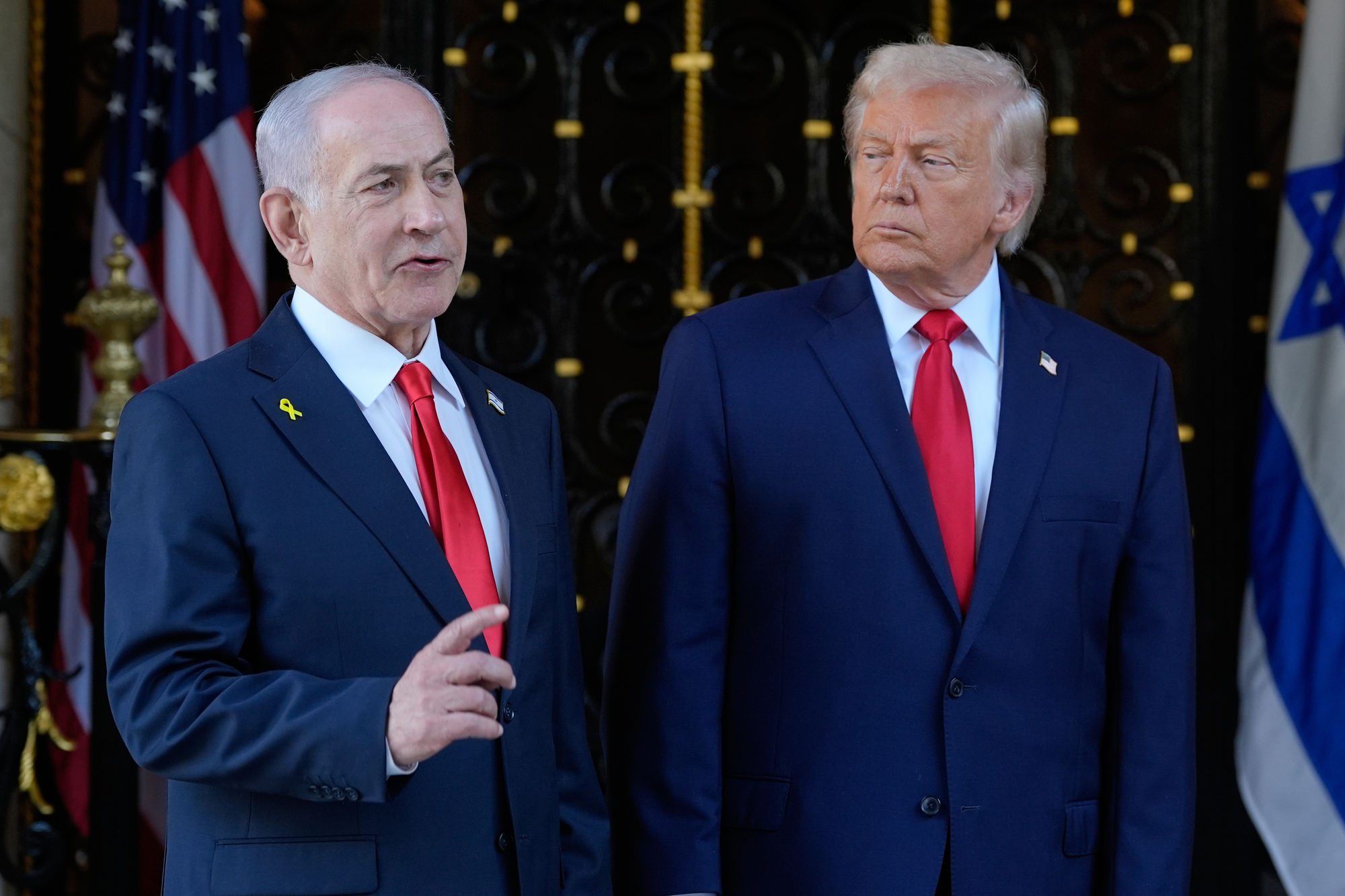
President Donald Trump is trying to tie the hands of Ukraine as it fights Russia. This is difficult to understand: Doesn't aiming in the wrong direction benefit the aggressor?
Trump announced an agreement Oct. 9 on social media that Russia would provide diesel oil to the U.S. and the international market. The U.S. Treasury Department eased sanctions on Russian diesel exports. Russian President Vladimir Putin's administration decided to partially ease its ban on exporting diesel.
Furthermore, Trump unilaterally announced again on social media on Oct. 11 that Russia and Ukraine had reached a ceasefire agreement on energy-related facilities, effective immediately.
Ukrainian President Volodymyr Zelenskyy expressed surprise at the announcement of a mutual ceasefire on energy-related facilities, telling covering the U.S. media that it “was news for me.” He further commented that “we are ready to respect an energy ceasefire if Russia is ready to do the same.”
However, even after Trump's social media post, Zelenskyy announced on X that Russia had attacked a Ukrainian power station.
It is disturbing that Trump went over Ukraine's head to talk about a ceasefire on energy facilities.
Ukraine is using drones and striking oil refining facilities among other installations, working to diminish Russia's capability to continue the war. According to The Guardian, in July and August of this year, More than 170,000 tons of diesel were shipped from South Korea to Russia. Significantly, Ukraine's resistance is certainly bearing results.
The Trump administration's current response is undermining Ukraine's efforts. It could revive Russia's ability to produce diesel fuel and in turn support its war of aggression.
The majority Republican Party is reportedly facing an unfavorable outcome in the November midterm elections. The party will likely try to buy the voters’ s favor by supporting cost reductions in gas prices, but it is unclear if that will work. It is questionable whether Russia, which must transport diesel from South Korea, can export enough oil quickly and sufficiently enough to influence oil prices.
Ukraine's growing dissatisfaction with the Trump administration is understandable. The Trump administration has suggested that if Ukraine does not end its strikes on Russian refineries, the U.S. will end intelligence sharing.
There must be no confusion about which party to pressure if you want to end the war.