

The Danger of Political Violence
The repeated assassination attempts on U.S. President Donald Trump deserve unequivocal condemnation in a democratic society
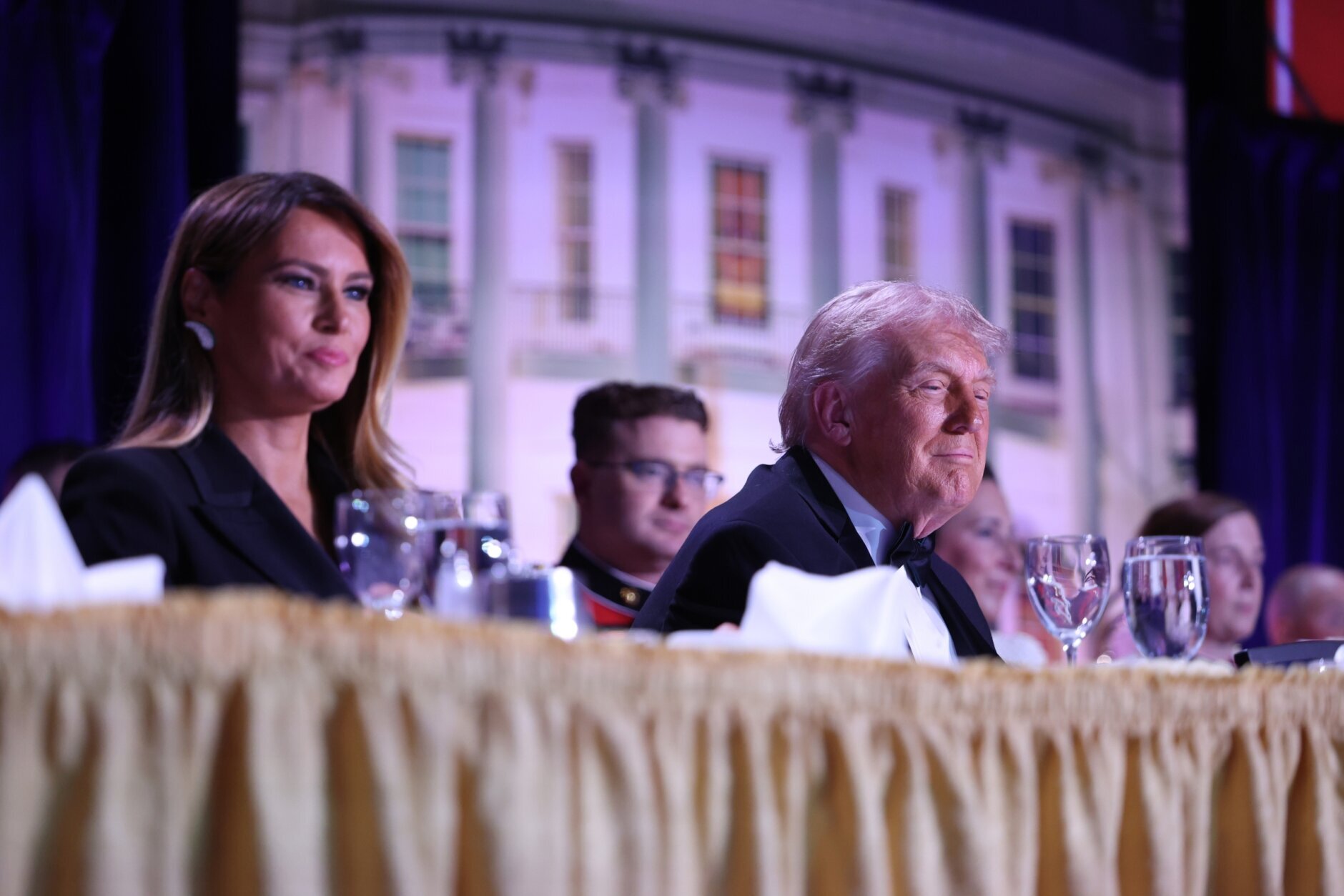
A bad wind has been blowing through the United States for the last few years. When a president experiences three assassinations in two years there’s something broken within that country. The motives and intentions of the 31-year-old man who attempted to gain access to the grand hall of a hotel where Donald Trump was about to give a speech at the traditional White House Correspondent’s Dinner are still unclear. The repeated assassination attempts on the U.S. president deserve unequivocal condemnation and there can be no room for political violence in a democratic society. The signs are worrying.
Political violence has been part of U.S. history since the country was founded, but the attempted attack in the capital of the U.S. leaves a series of unanswered questions that authorities must answer in the coming hours and days. And not just about the clearly inadequate protection provided to the commander in chief of the world’s leading power, or the U.S. anomaly that means the flow of millions of firearms that are out of control and in the hands of anyone acting on impulse, ideology or confusion, and can end a leader’s life. What has changed in the last decade is the disinhibition of public discourse, which has set fire to social harmony and is having disastrous effects on democracies.
The list of attacks is growing. The assassination of conservative activist Charlie Kirk last year while he was giving a speech at a college campus added considerably to concerns for the fragility of civil peace at a time of heightened polarization. Trump was the victim of an assassination attempt in July 2024 that nearly cost him his life when he was shot by a sniper and the bullet grazed his ear during a rally in Pennsylvania. In September of the same year, an armed man was detained at the Republican president’s Florida golf club and sentenced to life imprisonment for attempted murder.
Violence doesn’t have a specific color, nor do its perpetrators or its victims. And one of the perpetrators of hate speech has been Trump himself. In 2025, a Democratic congresswoman in Minnesota was shot dead along with her husband, and three years before that, a man attacked former Speaker of the House of Representatives Nancy Pelosi, and wounded her husband with a hammer*. The Trumpian attack on the Capitol on Jan. 6, 2021, was at fever pitch in the use of violence, in recent years, to change the outcome of an election and to prevent a democratic transition.
Political violence is nothing new in a country where four its presidents have been assassinated: Abraham Lincoln, James Garfield, William McKinley and John F. Kennedy. And it’s not exclusive to the United States. In some Latin American countries, political violence has been endemic for decades, a common tool even: the shooting of Colombian Sen. Miguel Uribe Turbay, in June last year, came after 34 political, social and community leaders were murdered in a four-month period, according to Colombia’s Electoral Observation Mission. Contemporary Europe also has a history of political assassinations, like that of Olof Palme in 1986, as well as serious assassination attempts like the one suffered by José María Aznar at the hands of the Basque Homeland and Liberty group.
And in some European countries the poisoning of public life isn’t so different from what’s happening in the U.S. The difference is the much stricter regulation of firearms in Europe. In 2021, when a man slapped Emmanuel Macron at a public event, it ended up as just an anecdote; in a country with an abundance of guns, it could have been a tragedy. And, although predictions of a civil war in the U.S. have turned out to be premature, and U.S. democracy is hanging on for now, the combination of weapons, hate and polarization is a dangerous cocktail. Sometimes uncontrollable outbreaks occur and then there’s no going back.
*Editor’s Note: Nancy Pelosi was not at home, and thus not injured, at the time of the attack on her husband.
A bad wind has been blowing through the United States for the last few years. When a president experiences three assassinations in two years there’s something broken within that country. The motives and intentions of the 31-year-old man who attempted to gain access to the grand hall of a hotel where Donald Trump was about to give a speech at the traditional White House Correspondent’s Dinner are still unclear. The repeated assassination attempts on the U.S. president deserve unequivocal condemnation and there can be no room for political violence in a democratic society. The signs are worrying.
Political violence has been part of U.S. history since the country was founded, but the attempted attack in the capital of the U.S. leaves a series of unanswered questions that authorities must answer in the coming hours and days. And not just about the clearly inadequate protection provided to the commander in chief of the world’s leading power, or the U.S. anomaly that means the flow of millions of firearms that are out of control and in the hands of anyone acting on impulse, ideology or confusion, and can end a leader’s life. What has changed in the last decade is the disinhibition of public discourse, which has set fire to social harmony and is having disastrous effects on democracies.
The list of attacks is growing. The assassination of conservative activist Charlie Kirk last year while he was giving a speech at a college campus added considerably to concerns for the fragility of civil peace at a time of heightened polarization. Trump was the victim of an assassination attempt in July 2024 that nearly cost him his life when he was shot by a sniper and the bullet grazed his ear during a rally in Pennsylvania. In September of the same year, an armed man was detained at the Republican president’s Florida golf club and sentenced to life imprisonment for attempted murder.
Violence doesn’t have a specific color, nor do its perpetrators or its victims. And one of the perpetrators of hate speech has been Trump himself. In 2025, a Democratic congresswoman in Minnesota was shot dead along with her husband, and three years before that, a man attacked former Speaker of the House of Representatives Nancy Pelosi, and wounded her husband with a hammer*. The Trumpian attack on the Capitol on Jan. 6, 2021, was at fever pitch in the use of violence, in recent years, to change the outcome of an election and to prevent a democratic transition.
Political violence is nothing new in a country where four its presidents have been assassinated: Abraham Lincoln, James Garfield, William McKinley and John F. Kennedy. And it’s not exclusive to the United States. In some Latin American countries, political violence has been endemic for decades, a common tool even: the shooting of Colombian Sen. Miguel Uribe Turbay, in June last year, came after 34 political, social and community leaders were murdered in a four-month period, according to Colombia’s Electoral Observation Mission. Contemporary Europe also has a history of political assassinations, like that of Olof Palme in 1986, as well as serious assassination attempts like the one suffered by José María Aznar at the hands of the Basque Homeland and Liberty group.
And in some European countries the poisoning of public life isn’t so different from what’s happening in the U.S. The difference is the much stricter regulation of firearms in Europe. In 2021, when a man slapped Emmanuel Macron at a public event, it ended up as just an anecdote; in a country with an abundance of guns, it could have been a tragedy. And, although predictions of a civil war in the U.S. have turned out to be premature, and U.S. democracy is hanging on for now, the combination of weapons, hate and polarization is a dangerous cocktail. Sometimes uncontrollable outbreaks occur and then there’s no going back.
*Editor’s Note: Nancy Pelosi was not at home, and thus not injured, at the time of the attack on her husband.
Previous article
Next article