
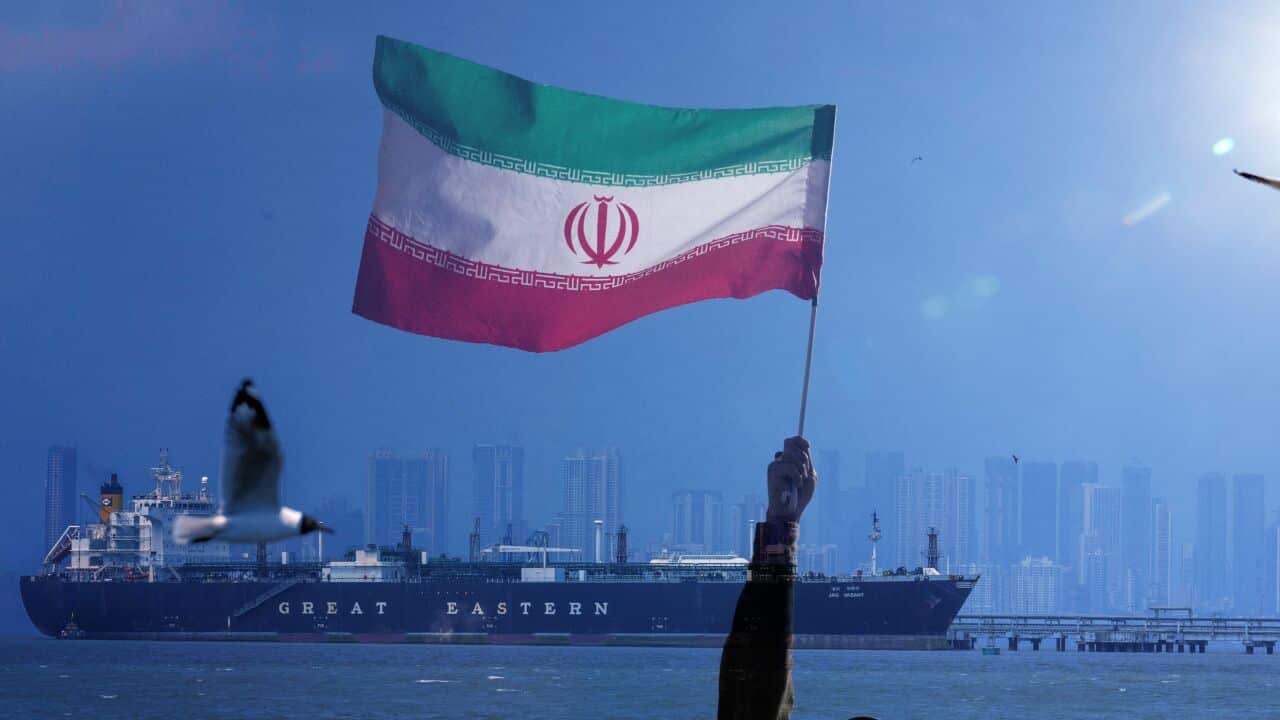
The Battle of Hormuz: Money or Sovereignty?
On the surface, the crisis appears to be a dispute between Washington and Tehran over transit fees in the Strait of Hormuz. Does Iran have the right to impose charges on ships passing through one of the world’s most vital energy arteries? And could that strait, which has long been used as a trump card in moments of tension, turn into a steady source of income for an Iranian treasury that has been exhausted by sanctions and war? A deeper reading reveals that the issue is bigger than money and more dangerous than fees; it is a battle over the meaning of sovereignty, and over what it means for Iran to be an indispensable party in the security of the Gulf.
The media has reported that the American message to Tehran in Doha has been clear in substance: Think more broadly; lifting sanctions as part of a more comprehensive agreement is far more valuable than imposing navigation fees. This message reflects an American logic that is both economic and political at the same time. Washington is telling Iran that the path to major gains does not run through harassing ships or imposing transit fees, but through a broader agreement that opens up the economy, frees up assets, eases sanctions and partially reintegrates Iran into trade and energy flows.
In the abstract, the American argument seems strong: if Iran obtained broad sanctions relief, it could benefit from oil exports, the reopening of investment channels, the unfreezing of assets and greater freedom of financial and commercial movement. These are gains that could far exceed any potential income from transit fees in the Strait of Hormuz. But politics does not operate on financial calculations alone. The Iranian regime does not view the strait merely as a source of revenue, but as a symbol of its survival and its ability to impose itself.
The frozen assets, even if partially released, would give Tehran immediate room to breathe financially. The assets are economic oxygen; they don't represent a shift in the balance of power. But recognizing Iran in a regulatory or decisive role in the Strait of Hormuz, even under a technical, navigational or security label, transforms geography into permanent leverage and grants Tehran something more valuable than money: the legitimacy of the role.
Iran understands that frozen funds can be released today and frozen tomorrow. Sanctions can be eased by agreement and then return with a change of administration, a congressional decision or a new regional escalation. But if the release of funds succeeds in extracting recognition — explicit or implicit — that Iran has a special right in managing, regulating or collecting charges from it, Iran will have shifted its card from threat to order. And this is the heart of the battle.
In other words, Iran does not merely want fees — it wants paid recognition. Iran wants the world, even indirectly, to pay the price of passage through an area it considers part of its vital domain. The fees here are not just revenue; they are a political stamp on the idea that the security of the Strait of Hormuz cannot be managed from Washington or through international arrangements that bypass Tehran. It is a test of prestige, sovereignty and control — not an investment project.
The media has reported that the American message to Tehran in Doha has been clear in substance: Think more broadly; lifting sanctions as part of a more comprehensive agreement is far more valuable than imposing navigation fees. This message reflects an American logic that is both economic and political at the same time. Washington is telling Iran that the path to major gains does not run through harassing ships or imposing transit fees, but through a broader agreement that opens up the economy, frees up assets, eases sanctions and partially reintegrates Iran into trade and energy flows.
In the abstract, the American argument seems strong: if Iran obtained broad sanctions relief, it could benefit from oil exports, the reopening of investment channels, the unfreezing of assets and greater freedom of financial and commercial movement. These are gains that could far exceed any potential income from transit fees in the Strait of Hormuz. But politics does not operate on financial calculations alone. The Iranian regime does not view the strait merely as a source of revenue, but as a symbol of its survival and its ability to impose itself.
The frozen assets, even if partially released, would give Tehran immediate room to breathe financially. The assets are economic oxygen; they don't represent a shift in the balance of power. But recognizing Iran in a regulatory or decisive role in the Strait of Hormuz, even under a technical, navigational or security label, transforms geography into permanent leverage and grants Tehran something more valuable than money: the legitimacy of the role.
Iran understands that frozen funds can be released today and frozen tomorrow. Sanctions can be eased by agreement and then return with a change of administration, a congressional decision or a new regional escalation. But if the release of funds succeeds in extracting recognition — explicit or implicit — that Iran has a special right in managing, regulating or collecting charges from it, Iran will have shifted its card from threat to order. And this is the heart of the battle.
In other words, Iran does not merely want fees — it wants paid recognition. Iran wants the world, even indirectly, to pay the price of passage through an area it considers part of its vital domain. The fees here are not just revenue; they are a political stamp on the idea that the security of the Strait of Hormuz cannot be managed from Washington or through international arrangements that bypass Tehran. It is a test of prestige, sovereignty and control — not an investment project.
Previous article

Next article