US Shoots Americans in the Foot
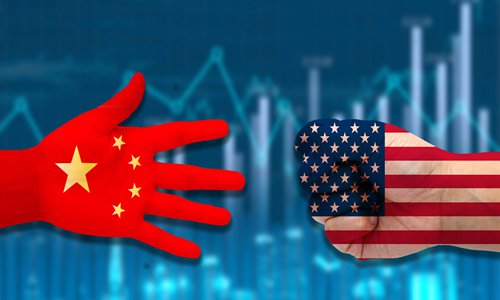
The US imposed fresh tariffs of 15 percent on $125 billion of Chinese imports starting midnight Sunday. China applied new tariffs ranging from 5 to 10 percent on the first batch of $75 billion US goods on the same day as a countermeasure. As the US is bent on provocation, the US-launched trade war against China has once again escalated.
However, the new wave of tariffs is a turning point in the trade war.
First, a vast majority of ordinary US families will directly face the impact of tariffs on imported Chinese goods. The Chinese products range from smart watches, shoes, diapers, sporting goods to meat and dairy products, all closely bound up in daily American life.
The Washington DC-based Peterson Institute for International Economics estimated in a report on August 14 that the US September 1 duties will hit 77 percent of the country's clothing imports from China and 45 percent of footwear. "For the first time, [US President Donald] Trump's trade war is likely to directly raise prices for a lot of household budget items," the report said.
Second, Washington is almost at the end of its wits. It is clear about the consequences of rising tariffs on daily consumer goods and had been trying to avoid targeting these products. However, the US underestimated China's resilience in the trade war. Therefore, Washington would rather damage itself now in an attempt to make China surrender.
Third, growing voices against the trade war have been emerging in the US. There is unprecedented opposition in US public opinion to Washington's sudden move of going back on its own word by imposing more tariffs on Chinese products. Even some cabinet members who are tough on China do not support the fresh tariffs. Not to mention the US industries.
It is worthy of attention that mainstream Western media outlets have been highlighting the latest tariffs' damage to Americans, implicitly or explicitly pointing out that Washington's paranoid trade war is becoming increasingly unpopular. The Trump administration acts as if it doesn't care about these voices, but it actually does, especially when the 2020 election campaign is underway. Washington dares not go against mainstream public opinion in the US.
Fourth, the US economy cannot sustain its superficial prosperity and is facing a bigger risk of decline. US GDP growth was 2.1 percent in the second quarter of 2019, 1 percentage point lower than the first quarter. The trade war's impact on US imports and exports becomes more and more apparent.
This is the result of Washington's own action and of Beijing's resolute resistance under the former's maximum pressure.
The Trump administration has shot Americans in the foot. When more and more Americans feel the pain, maybe it will be time for Washington to recover rationality.
However, the new wave of tariffs is a turning point in the trade war.
First, a vast majority of ordinary US families will directly face the impact of tariffs on imported Chinese goods. The Chinese products range from smart watches, shoes, diapers, sporting goods to meat and dairy products, all closely bound up in daily American life.
The Washington DC-based Peterson Institute for International Economics estimated in a report on August 14 that the US September 1 duties will hit 77 percent of the country's clothing imports from China and 45 percent of footwear. "For the first time, [US President Donald] Trump's trade war is likely to directly raise prices for a lot of household budget items," the report said.
Second, Washington is almost at the end of its wits. It is clear about the consequences of rising tariffs on daily consumer goods and had been trying to avoid targeting these products. However, the US underestimated China's resilience in the trade war. Therefore, Washington would rather damage itself now in an attempt to make China surrender.
Third, growing voices against the trade war have been emerging in the US. There is unprecedented opposition in US public opinion to Washington's sudden move of going back on its own word by imposing more tariffs on Chinese products. Even some cabinet members who are tough on China do not support the fresh tariffs. Not to mention the US industries.
It is worthy of attention that mainstream Western media outlets have been highlighting the latest tariffs' damage to Americans, implicitly or explicitly pointing out that Washington's paranoid trade war is becoming increasingly unpopular. The Trump administration acts as if it doesn't care about these voices, but it actually does, especially when the 2020 election campaign is underway. Washington dares not go against mainstream public opinion in the US.
Fourth, the US economy cannot sustain its superficial prosperity and is facing a bigger risk of decline. US GDP growth was 2.1 percent in the second quarter of 2019, 1 percentage point lower than the first quarter. The trade war's impact on US imports and exports becomes more and more apparent.
This is the result of Washington's own action and of Beijing's resolute resistance under the former's maximum pressure.
The Trump administration has shot Americans in the foot. When more and more Americans feel the pain, maybe it will be time for Washington to recover rationality.
Previous article
Next article