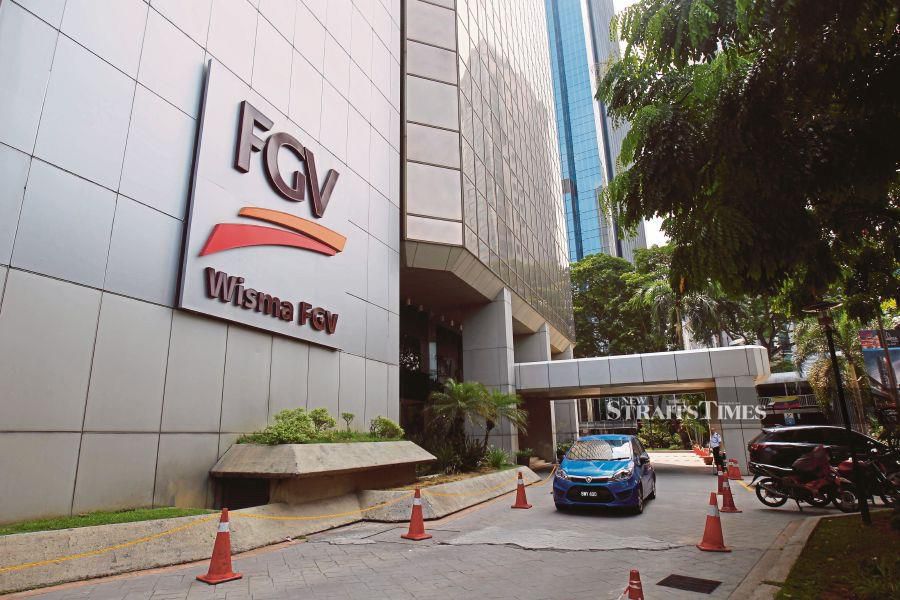
US Allegations Against Felda Global Ventures Should Be Meticulously Audited by 3rd Party
Previous article
Next article

Watching America is seeking serious translators for volunteer Foreign Media Translation Fellowships, age 18+ to translate foreign opinion content into English from global media resources. The position provides the benefit of high-quality mentorship, professional portfolio development, peer review, access to a broad translation network, and valuable tiered recommendations based on commendable performance. Applicants must compete a rigorous testing process. AI or translation tools are strictly forbidden. Some translation experience is preferred but not required. You will be expected to find and translate at least one article every two weeks. It's an unbeatable opportunity at a pivotal moment in time. Come work with us and be part of an extraordinary project. Contact Us: info@watchingamerica.com
© All rights reserved for Watching America 2024
Copyright © 2024 Developed by Hashthink