
Strength, Force and Power
Published in Frankfurter Allgemeine Zeitung
(Germany) on 6 January 2026
by Nikolas Busse (link to
original)
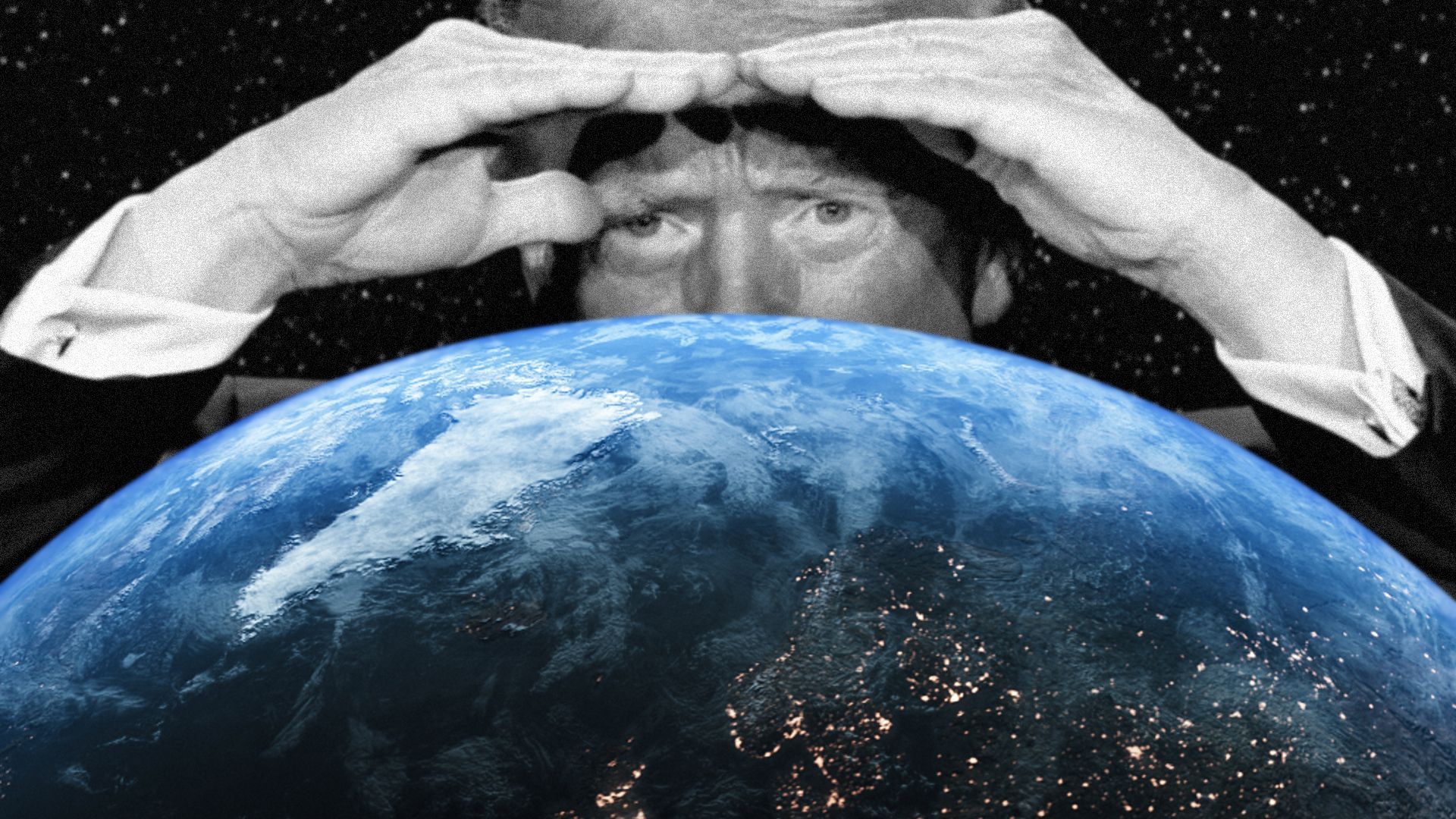
Trump’s presidency is entering a new phase. The raw expansionism that brought down Nicolas Maduro makes the issue of Greenland far more serious than it was just a few months ago.
Deputy White House Chief of Staff Stephen Miller recently told an interviewer about the no-frills worldview of Donald Trump’s administration: global politics is not about politeness; it is about strength, force and power. Miller is considered to be influential; the president is not likely to see things any differently.
In fact, with the operation in Venezuela, Trump has entered a new phase of his presidency. The isolationism that was once a core message of “America First” is yielding, at least in the Western Hemisphere, to a raw expansionism that can be implemented with military force if necessary.
Farewell to the Ideal of Democratization
That is familiar territory in U.S. history. However, it makes the issue of Greenland far more serious now than it appeared to be just a few months ago. The fact that Trump has yet to face much resistance on foreign policy, unlike in his first administration, will spur him on further.
This kind of thinking is incompatible with the democratization ideals that yet characterized the neoconservative era of George W. Bush. Trump supposedly wants a “free” Venezuela, but now rejects free elections. That is especially contradictory in this case because it would be an easier and more promising way to put a government in power that willingly aligns itself with Washington.
Trump would rather work together with the intimidated but still socialist regime. That has happened before in U.S. history, but Trump is doing so completely without shame.
Deputy White House Chief of Staff Stephen Miller recently told an interviewer about the no-frills worldview of Donald Trump’s administration: global politics is not about politeness; it is about strength, force and power. Miller is considered to be influential; the president is not likely to see things any differently.
In fact, with the operation in Venezuela, Trump has entered a new phase of his presidency. The isolationism that was once a core message of “America First” is yielding, at least in the Western Hemisphere, to a raw expansionism that can be implemented with military force if necessary.
Farewell to the Ideal of Democratization
That is familiar territory in U.S. history. However, it makes the issue of Greenland far more serious now than it appeared to be just a few months ago. The fact that Trump has yet to face much resistance on foreign policy, unlike in his first administration, will spur him on further.
This kind of thinking is incompatible with the democratization ideals that yet characterized the neoconservative era of George W. Bush. Trump supposedly wants a “free” Venezuela, but now rejects free elections. That is especially contradictory in this case because it would be an easier and more promising way to put a government in power that willingly aligns itself with Washington.
Trump would rather work together with the intimidated but still socialist regime. That has happened before in U.S. history, but Trump is doing so completely without shame.
Previous article
Next article