
US 2028: Tech Bros vs. Theo Bros*
Will the Donald Trump era really come to an end in 2028? What kind of America will emerge from the next presidential election? Many are quick to predict the right’s defeat in the upcoming midterms, now just five months away (a probable though not yet certain outcome), and are already looking ahead. And if the current state of the left is nothing short of bleak — bereft of charismatic leaders while an infectious populist surge pushes programs rife with unrealistic promises — the picture on the right is downright disturbing.
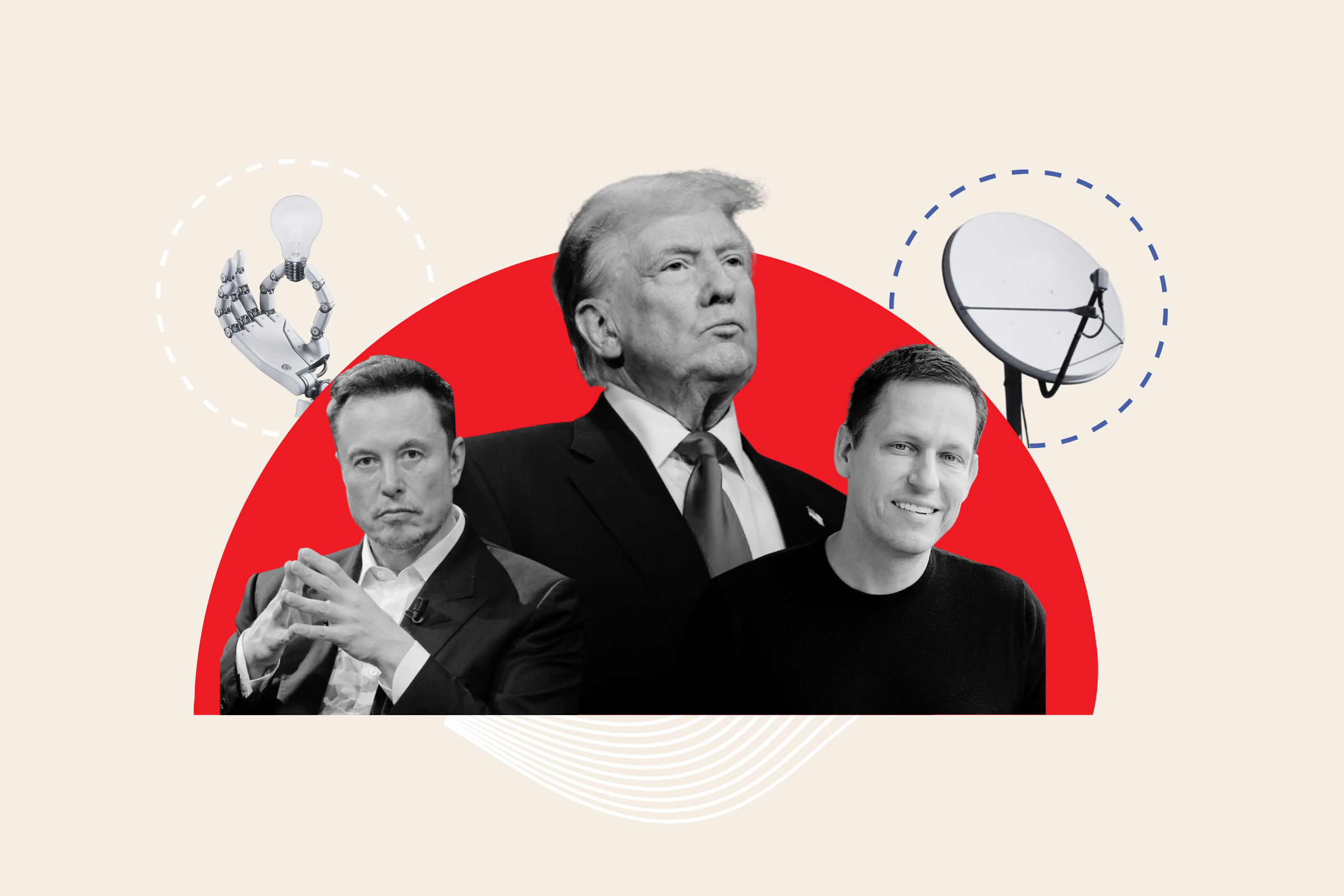
With Trump having largely driven pro-establishment, Atlanticist conservatives out of politics, the public is now left wondering whether he will choose JD Vance or Marco Rubio as his successor. However, the real question is whether, following the collapse of the old establishment, America will see the triumph of the techno-oligarchs (such as Peter Thiel, Elon Musk, and their political and ideological allies) or the rise of fundamentalist conservatives. Their Christian nationalist values have gained ground even among younger conservatives, as demonstrated by Charlie Kirk’s popularity within the movement until his assassination nine months ago.
Some demand that biblical teachings take precedence over man-made law, while today’s youth, disillusioned by the failures of progressivism, gravitates toward a new cult of strength. Ideals of heroism stand in contrast to the archetype of modern man, portrayed as conformist and spiritless. This theme appears throughout a mosaic of current movements, ranging from the Christian theocracy promoted by Pastor Douglas Wilson to the “Dark Enlightenment” philosophy founded by Curtis Yarvin. According to Yarvin, American democracy is merely a failed experiment that should be replaced by an absolute monarch, a CEO-like leader relying on artificial intelligence to guide humanity into a post-human era.
In “Inside Trump’s Mind,” recently published by Mondadori, author Mattia Ferraresi takes readers on a daring journey through the world of philosophers, influencers, theologians and leaders of radical subcultures. The book explores the clash between the “tech bros” and the “theo bros,” a conflict that, while extreme, might seem ultimately inconsequential. And yet Yarvin counts among his followers JD Vance as well as Michael Anton, chosen by Trump to oversee foreign policy planning. And among Pastor Wilson’s admirers are Defense Secretary Pete Hegseth and Russell Vought, director of the Office of Management and Budget, tasked with turning the president’s wishes into government action.
With Trump having largely driven pro-establishment, Atlanticist conservatives out of politics, the public is now left wondering whether he will choose JD Vance or Marco Rubio as his successor. However, the real question is whether, following the collapse of the old establishment, America will see the triumph of the techno-oligarchs (such as Peter Thiel, Elon Musk, and their political and ideological allies) or the rise of fundamentalist conservatives. Their Christian nationalist values have gained ground even among younger conservatives, as demonstrated by Charlie Kirk’s popularity within the movement until his assassination nine months ago.
Some demand that biblical teachings take precedence over man-made law, while today’s youth, disillusioned by the failures of progressivism, gravitates toward a new cult of strength. Ideals of heroism stand in contrast to the archetype of modern man, portrayed as conformist and spiritless. This theme appears throughout a mosaic of current movements, ranging from the Christian theocracy promoted by Pastor Douglas Wilson to the “Dark Enlightenment” philosophy founded by Curtis Yarvin. According to Yarvin, American democracy is merely a failed experiment that should be replaced by an absolute monarch, a CEO-like leader relying on artificial intelligence to guide humanity into a post-human era.
In “Inside Trump’s Mind,” recently published by Mondadori, author Mattia Ferraresi takes readers on a daring journey through the world of philosophers, influencers, theologians and leaders of radical subcultures. The book explores the clash between the “tech bros” and the “theo bros,” a conflict that, while extreme, might seem ultimately inconsequential. And yet Yarvin counts among his followers JD Vance as well as Michael Anton, chosen by Trump to oversee foreign policy planning. And among Pastor Wilson’s admirers are Defense Secretary Pete Hegseth and Russell Vought, director of the Office of Management and Budget, tasked with turning the president’s wishes into government action.
Previous article
Next article