
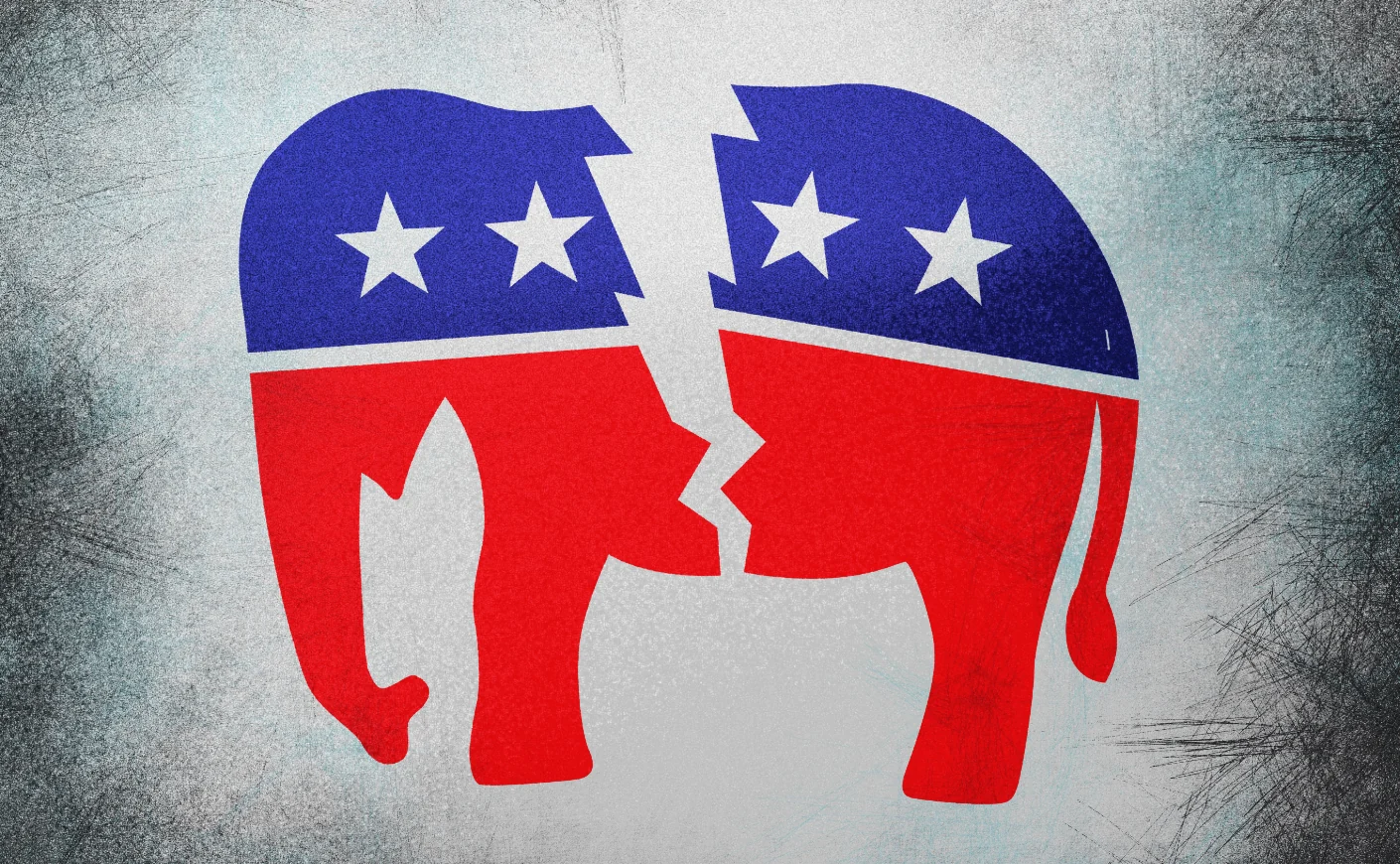
2026 Midterms: The End of Republican Hegemony
Trump failed so spectacularly to fulfill his campaign promises that support for the Democratic opposition skyrocketed. Trump’s 2024 charade did not hold up to the test of a popular vote.
The midterm elections, held five days ago, sent a clear message to political elites and observers of these processes. Each election cycle has its own timeline, with specific and general campaigns directed at certain audiences or niche groups they wish to reach, get their message across to, and, of course, win over with their policies and electoral platform.
Sometimes, and sometimes not, Donald Trump insinuated that he was on the ballot, when this was not true. The “Orange Leader” assumed that his image alone was enough to ensure his candidates’ victory. In his the last-minute campaign stops, he tried using his promises from two years ago to restore the trust that people had lost — or the faith that had been placed in him at that time.
The designer of “The New White House” thought he could turn to emotion and irrational behavior to stir up voters — or fool them once more. Surely, Trump believed in his ability to change voters’ minds through simple rhetoric, a very close relative to blind faith.
These elections act as a sort of consultation about the government’s performance. Two years before each midterm election, the president has been elected or reelected. The campaign promises made to voters remain fresh in their minds. Although some have written about the irrationality of voting, a voter does not fail to remember if those promises ended up being false.
Trump came to power on a platform of promises, for which the public expected favorable results. He promised to reduce inflation and the cost of living, curb undocumented immigration through mass deportations, impose protective tariffs, increase U.S. energy production and restore order and security.
The attempt to defeat inflation and return purchasing power to the American people is discredited by the fact that 80% of the population, when surveyed, expressed dissatisfaction with inflation, stating that the government was responsible for high prices. The imposition of increased tariffs, particularly on Chinese goods, as a means of recovering economic sovereignty ended up being perceived as an indirect tax on consumers. Around 66% of voters thought that such a policy damaged and endangered local economies. In short, Trump made life more expensive.
The other flagship campaign promise involved domestic security, seeking the deportation of undocumented immigrants — a group whose electoral importance fell from 15% in 2024 to 10% in 2026. Also, it was viewed as excessive and met with opposition, with some voters associating it with abuses, fear and social consequences.
Trump failed so spectacularly to fulfill his campaign promises that support for the Democratic opposition skyrocketed. Trump’s 2024 charade did not hold up to the test of a popular vote.
Now, the “Blue Wave” can point to notable achievements: In Texas, a Democratic candidate hadn’t won a Senate seat or the governorship for three decades; today, both victories are a reality, including that of a Hispanic governor. In Ohio the Democrats conquered the Senate seat previously held by JD Vance and, also, won the governorship despite the despicable campaign launched by the Republican leadership against Amy Acton. In Kansas, the Democrats won a Senate seat for the first time in almost a century, while in South Carolina they secured a seat they hadn’t held since 1962.
Many are celebrating, while others will be on their guard. Conservatives around the world are losing their most important and powerful leader. The freedoms — or arbitrary actions — that President Trump permitted will now have to face a Democratic majority in both chambers of Congress, which, beginning next year, will be opposed to him. Both domestic and international policy will be subject to severe scrutiny and legislative oversight.
Many scenarios will be on the table: Will Trump negotiate with the Democrats, or will he exercise the broad discretion that the Constitution affords him on national security, trade and the use of force? How will his potential successors — the isolationist America First advocate Vance and the Washington hawk, Marco Rubio, behave? What impact will this colossal defeat have within the Republican Party? Will there be a redefining of foreign policy?
We’ll see in 2027, although Trump still has the rest of the year to himself, without the new Democratic majority being able to prevent his latest ambitions.
Previous article