
Obama Is a Historical Figure for Americans, Not Us
On June 29, when referring to Obama’s health care reform, The New York Times wrote: “Historians will compare this to F.D.R.’s Social Security and Lyndon Johnson’s Medicare. … This is another step in humanizing the American industrial system.” It is becoming clearer that the president is changing America and that he will continue to do so with more strength during his second term, if he wins the election again.
Once he has dealt with the issue of health care, he will work on reforming the education system, and, as expected from the honest population of the world, he will change the rules of the most infamous place of the Western Hemisphere: Wall Street. Americans already consider him to be one of the “transformational presidents” — those who changed the way of life of the big country. These presidents included F.D.R., L.B.J., or even Ronald Reagan, who established the idea that the government is not the solution but the problem. Obama symbolizes the end of an era and a radical change.
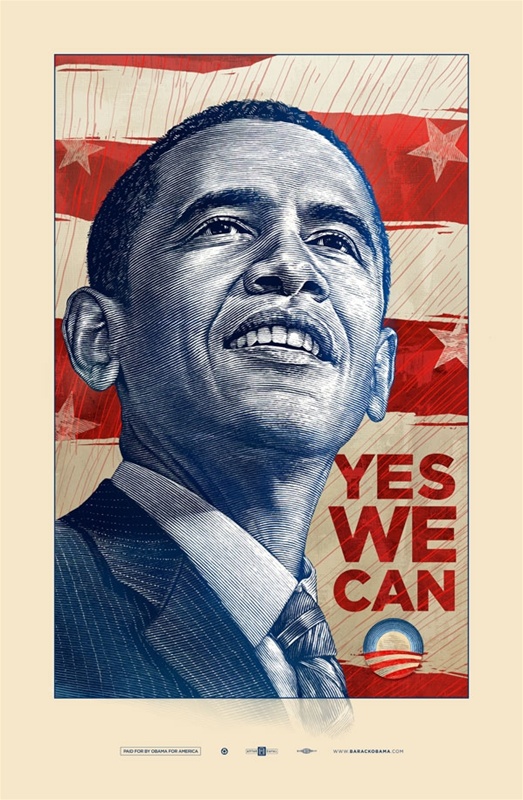
The Supreme Court vote in favor of mandatory health care helped Obama make history. American history, that is — not ours. Obviously, a president who is able improve civil rights in the world’s superpower by ending 30 years of growing social inequalities, stopping the gradual destruction of the middle class — who made America a big country — does a favor to the whole world. But four years ago, with that simple phrase, “yes, we can,” we thought something else. We thought it was going to be the end of eight bleak years of war and neo-imperialism from the Bush administration. We thought that the president who received the Nobel Peace Prize on the basis of his word, even before he did anything concrete, would have made the world a better place.
He was supposed to speed up the process of nuclear disarmament. He did more in that respect than anyone else, but less than what had been promised. He was supposed to lay concrete foundations in order to build a new international order in this chaotic multilateralism. He was supposed to force Israel to recognize the Palestinians' right to establish a state. There was the question of Islam: the speech he gave at al-Azhar University in Cairo, where he acknowledged the existence of a civilized and moderate Islam that we could live with, after the 9/11 tragedy, al-Qaeda and the inadequate response from Bush.
Instead, almost nothing was done. On the nuclear issue, Obama faced Putin who had an increasing urge for totalitarian practices. Then, there is no new order for multilateralism possible in a period of economic crisis. As for Palestine, the president realized that there was an actual Jewish lobby, that Israel is even more conservative, and that Palestinians are even less realistic than before. The Arab Spring also fell upon the Islamic world in all its aspects. The region and the people Obama had addressed in his speech in Cairo changed completely. Some still thank Obama for his speech on freedom and tolerance, which had some truth in it. Americans understood, long before Europeans, the inevitability of the change and within this change, the inescapable claim of the Muslim Brotherhood with whom they were the first to initiate a dialogue.
Since the U.S. is unable to impose solutions on any of these issues, Barack Obama will no longer try to be a diplomatic president like Nixon, who opened doors to China, or Bush senior, who governed during the German reunification, the dissolution of the Soviet Union, the liberation of Kuwait and the peace process between Arabs and Israelis.
There is an economic crisis in the U.S. and in the West, so there is too little time and money to draw a big picture. Obama will only concentrate on making America a better place, and this will be a missed opportunity for us. He need not worry though — we won’t ask him for the Nobel Prize back.
Once he has dealt with the issue of health care, he will work on reforming the education system, and, as expected from the honest population of the world, he will change the rules of the most infamous place of the Western Hemisphere: Wall Street. Americans already consider him to be one of the “transformational presidents” — those who changed the way of life of the big country. These presidents included F.D.R., L.B.J., or even Ronald Reagan, who established the idea that the government is not the solution but the problem. Obama symbolizes the end of an era and a radical change.
The Supreme Court vote in favor of mandatory health care helped Obama make history. American history, that is — not ours. Obviously, a president who is able improve civil rights in the world’s superpower by ending 30 years of growing social inequalities, stopping the gradual destruction of the middle class — who made America a big country — does a favor to the whole world. But four years ago, with that simple phrase, “yes, we can,” we thought something else. We thought it was going to be the end of eight bleak years of war and neo-imperialism from the Bush administration. We thought that the president who received the Nobel Peace Prize on the basis of his word, even before he did anything concrete, would have made the world a better place.
He was supposed to speed up the process of nuclear disarmament. He did more in that respect than anyone else, but less than what had been promised. He was supposed to lay concrete foundations in order to build a new international order in this chaotic multilateralism. He was supposed to force Israel to recognize the Palestinians' right to establish a state. There was the question of Islam: the speech he gave at al-Azhar University in Cairo, where he acknowledged the existence of a civilized and moderate Islam that we could live with, after the 9/11 tragedy, al-Qaeda and the inadequate response from Bush.
Instead, almost nothing was done. On the nuclear issue, Obama faced Putin who had an increasing urge for totalitarian practices. Then, there is no new order for multilateralism possible in a period of economic crisis. As for Palestine, the president realized that there was an actual Jewish lobby, that Israel is even more conservative, and that Palestinians are even less realistic than before. The Arab Spring also fell upon the Islamic world in all its aspects. The region and the people Obama had addressed in his speech in Cairo changed completely. Some still thank Obama for his speech on freedom and tolerance, which had some truth in it. Americans understood, long before Europeans, the inevitability of the change and within this change, the inescapable claim of the Muslim Brotherhood with whom they were the first to initiate a dialogue.
Since the U.S. is unable to impose solutions on any of these issues, Barack Obama will no longer try to be a diplomatic president like Nixon, who opened doors to China, or Bush senior, who governed during the German reunification, the dissolution of the Soviet Union, the liberation of Kuwait and the peace process between Arabs and Israelis.
There is an economic crisis in the U.S. and in the West, so there is too little time and money to draw a big picture. Obama will only concentrate on making America a better place, and this will be a missed opportunity for us. He need not worry though — we won’t ask him for the Nobel Prize back.