Trump Tests His New World Order in an Illegal Attack*
Betting on the fall of the theocracy may work, but nothing suggests there is a coherent plan to deal with possible regime change.
In Iran, the American ignores international laws and the consequences of an action exposing the Middle East to chaos.
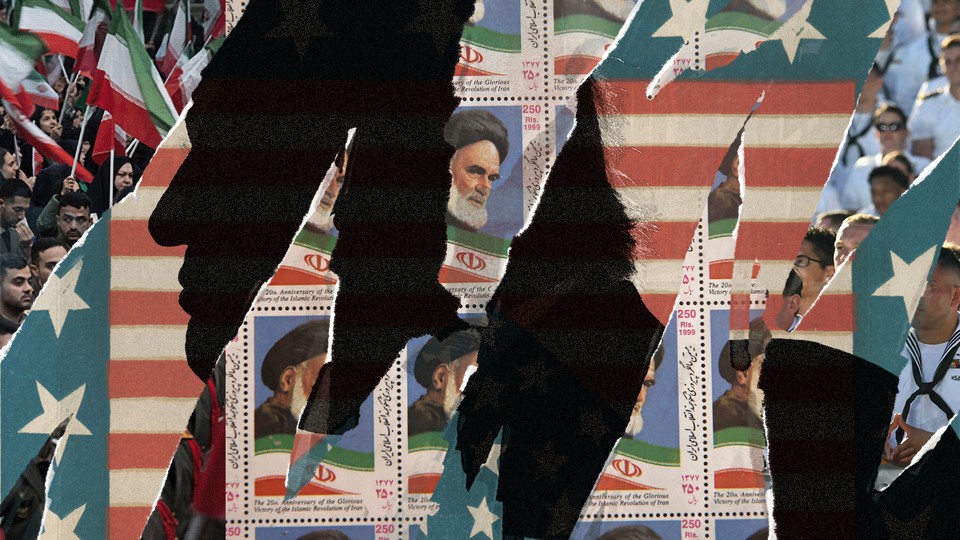
There are many arguments to justify containing of the theocracy established in 1979 by Ruhollah Khomeini’s fanatical Shiites who overthrew the abusive monarchy of Shah Reza Pahlavi.
The country is a threat, having spent years fostering armed proxies against the United States and Israel, developing an arsenal of ballistic missiles capable of reaching increasingly long distances, and flirting with a nuclear bomb.
It is a hateful regime that suppresses its population, especially women. The most recent repression of massive protests at the beginning of the year left thousands dead.
In the world of rules that Donald Trump has helped to bury, we could challenge this with negotiation, economic pressure, and, in the most extreme scenario, force. The barometer used to modulate action has always been the urgency of the threat.
Having trumpeted that the Iranian nuclear program was obliterated in a bombardment last June, Trump was under no specific pressure to attack now, other than opportunity.
Tel Aviv convinced the Republican president and his more ideologically aligned circle that the time to end the hostile regime was now. In the end, the theocracy had never been so weakened.
Trump’s poor domestic situation is also a contributing factor. Just as in 1998, when Bill Clinton launched missiles against Iraq in the midst of an impeachment, the Republican is beset by the Jeffrey Epstein case, by criticism of his immigration policy and by economic uncertainty.
With midterm elections in sight, there’s nothing like a war to galvanize attention. Although it may work, the package Trump has purchased in his joint action with Israel embodies many risks.
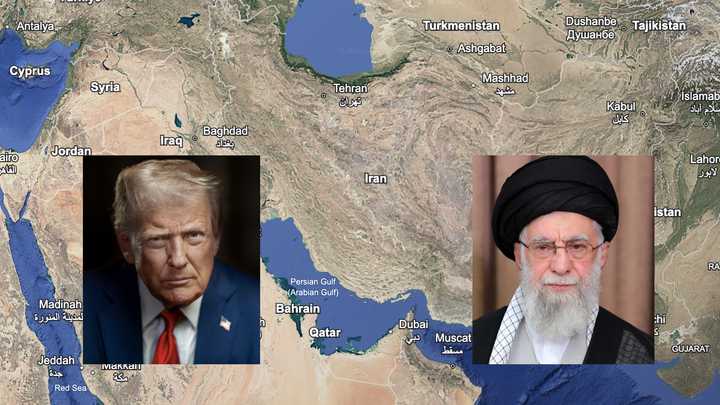
The assassination of the supreme leader of Iran, Ali Khamenei, and his military leadership, justifies the use of force.
The administration tested this precedent-setting approach on a smaller scale with the capture of Nicolas Maduro and his wife in Venezuela, and now is taking on the air of a global shoot 'em up. Annoy Trump for any reason however trivial and die.
This sums up the American world order. And there is no coherent plan to deal with possible regime change, which, without troops on the ground, is being left in the hands of January’s crushed protesters. There is a real chance that the new government will be the same as, or worse than, the previous one.
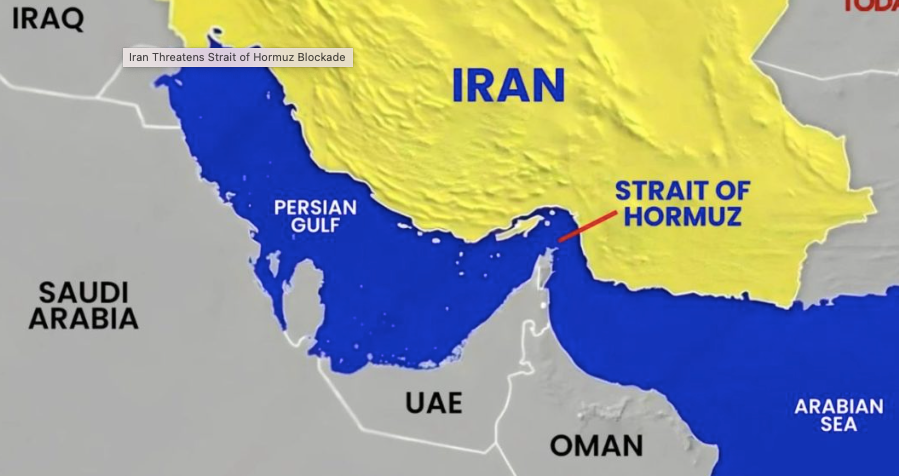
At the dawn of the conflict, Iran reaffirmed theocracy and succession rites, in addition to expanding retaliation to such targets as the wealthy Arab trading hubs in the Persian Gulf. Perhaps Trump wants a Venezuelan solution to the crisis, maintaining the regime and negotiating with the new power leaders.
Given the historic animosity, ideological and geopolitical questions of the Middle East, it is a tough bet. If Trump loses, he’ll bring even more chaos to the turbulent region and to the world, given the importance of the oil and gas from that comes from there.
*Editor’s note: This article is available in its original language with a paid subscription.
In Iran, the American ignores international laws and the consequences of an action exposing the Middle East to chaos.
There are many arguments to justify containing of the theocracy established in 1979 by Ruhollah Khomeini’s fanatical Shiites who overthrew the abusive monarchy of Shah Reza Pahlavi.
The country is a threat, having spent years fostering armed proxies against the United States and Israel, developing an arsenal of ballistic missiles capable of reaching increasingly long distances, and flirting with a nuclear bomb.
It is a hateful regime that suppresses its population, especially women. The most recent repression of massive protests at the beginning of the year left thousands dead.
In the world of rules that Donald Trump has helped to bury, we could challenge this with negotiation, economic pressure, and, in the most extreme scenario, force. The barometer used to modulate action has always been the urgency of the threat.
Having trumpeted that the Iranian nuclear program was obliterated in a bombardment last June, Trump was under no specific pressure to attack now, other than opportunity.
Tel Aviv convinced the Republican president and his more ideologically aligned circle that the time to end the hostile regime was now. In the end, the theocracy had never been so weakened.
Trump’s poor domestic situation is also a contributing factor. Just as in 1998, when Bill Clinton launched missiles against Iraq in the midst of an impeachment, the Republican is beset by the Jeffrey Epstein case, by criticism of his immigration policy and by economic uncertainty.
With midterm elections in sight, there’s nothing like a war to galvanize attention. Although it may work, the package Trump has purchased in his joint action with Israel embodies many risks.
The assassination of the supreme leader of Iran, Ali Khamenei, and his military leadership, justifies the use of force.
The administration tested this precedent-setting approach on a smaller scale with the capture of Nicolas Maduro and his wife in Venezuela, and now is taking on the air of a global shoot 'em up. Annoy Trump for any reason however trivial and die.
This sums up the American world order. And there is no coherent plan to deal with possible regime change, which, without troops on the ground, is being left in the hands of January’s crushed protesters. There is a real chance that the new government will be the same as, or worse than, the previous one.
At the dawn of the conflict, Iran reaffirmed theocracy and succession rites, in addition to expanding retaliation to such targets as the wealthy Arab trading hubs in the Persian Gulf. Perhaps Trump wants a Venezuelan solution to the crisis, maintaining the regime and negotiating with the new power leaders.
Given the historic animosity, ideological and geopolitical questions of the Middle East, it is a tough bet. If Trump loses, he’ll bring even more chaos to the turbulent region and to the world, given the importance of the oil and gas from that comes from there.
*Editor’s note: This article is available in its original language with a paid subscription.
Previous article
Next article