
Close to a Nightmare Scenario*
Published in Frankfurter Allgemeine Zeitung
(Germany) on 19 June 2026
by Nikolas Busse (link to
original)
Israel is the loser of Trump’s “deal” with the old-new regime in Iran. The consequences will be significant in the Gulf region as well.
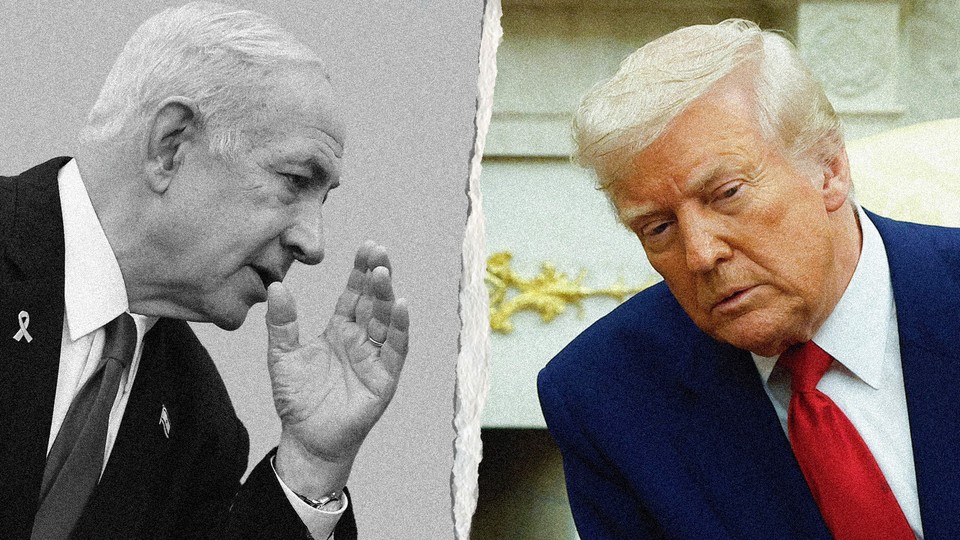
Now Israel is also learning what kind of “ally” Donald Trump is. Benjamin Netanyahu thought, as some have in Europe, that he had the president under control. But the bill arrives at the end; that also applies to the Iran war, which the previously isolationist Trump probably would not even have agreed to without Netanyahu’s insistence.
Trump is also the “America First” president and, for that reason, is now concerned with his domestic interests before the midterm elections and not with Israel’s security demands. What he negotiated with Iran is, from an Israeli perspective, close to a nightmare scenario. The regime remains in power (now with a strengthened Revolutionary Guard); it will receive billions and retain its ballistic missiles (otherwise it would be “a little bit unfair,” Trump says), and operations are to be halted in Lebanon. What will happen to Iran’s nuclear program remains open.
He Had Railed against Obama
One doesn’t have to be Israeli to be rubbing one’s eyes. Wasn’t it Trump who had railed against Barack Obama for years because he had freed up money for Iran? Now, Trump is even raising the possibility of lifting all sanctions and is helping to save Hezbollah, the regime’s most valuable shadow army. Netanyahu’s policy of continuous wars is not sensible, to be sure; even Joe Biden could say a thing or two about that. But it is not apparent that Trump’s “deal” serves Israel’s long-term interests.
It doesn’t look much different in the Gulf region. The Arab neighbors will be glad not to be fired at anymore and to be able to use the Strait of Hormuz to export oil again. But they, too, need to account for the possibility that Iran, under the old-new leadership, will be strengthened by the U.S. (they are even supposed to pay for it). That is in addition to the lesson that having U.S. military bases in the country can make one a target instead of offering protection.
The temptation to look for new allies will be a big one in the Gulf region. The preferred points of departure are known from the past: Moscow and Beijing. Unless a miracle happens in the pending negotiations, Trump’s successor also will have to struggle with the regional consequences of the Iran war.
*Editor's note: This article is available in its original language with a paid subscription.
Now Israel is also learning what kind of “ally” Donald Trump is. Benjamin Netanyahu thought, as some have in Europe, that he had the president under control. But the bill arrives at the end; that also applies to the Iran war, which the previously isolationist Trump probably would not even have agreed to without Netanyahu’s insistence.
Trump is also the “America First” president and, for that reason, is now concerned with his domestic interests before the midterm elections and not with Israel’s security demands. What he negotiated with Iran is, from an Israeli perspective, close to a nightmare scenario. The regime remains in power (now with a strengthened Revolutionary Guard); it will receive billions and retain its ballistic missiles (otherwise it would be “a little bit unfair,” Trump says), and operations are to be halted in Lebanon. What will happen to Iran’s nuclear program remains open.
He Had Railed against Obama
One doesn’t have to be Israeli to be rubbing one’s eyes. Wasn’t it Trump who had railed against Barack Obama for years because he had freed up money for Iran? Now, Trump is even raising the possibility of lifting all sanctions and is helping to save Hezbollah, the regime’s most valuable shadow army. Netanyahu’s policy of continuous wars is not sensible, to be sure; even Joe Biden could say a thing or two about that. But it is not apparent that Trump’s “deal” serves Israel’s long-term interests.
It doesn’t look much different in the Gulf region. The Arab neighbors will be glad not to be fired at anymore and to be able to use the Strait of Hormuz to export oil again. But they, too, need to account for the possibility that Iran, under the old-new leadership, will be strengthened by the U.S. (they are even supposed to pay for it). That is in addition to the lesson that having U.S. military bases in the country can make one a target instead of offering protection.
The temptation to look for new allies will be a big one in the Gulf region. The preferred points of departure are known from the past: Moscow and Beijing. Unless a miracle happens in the pending negotiations, Trump’s successor also will have to struggle with the regional consequences of the Iran war.
*Editor's note: This article is available in its original language with a paid subscription.
Previous article
Next article
