America and Cuba: A Meaningless Blockade
The recent Summit of the Americas in Cartagena de Indias, Colombia recently surpassed the Arab summits by announcing its inability to produce a statement of minimum agreement. This summit, which took place from Apr. 16-17, ended without issuing a closing statement, the result of not having reached any agreement on controversial issues. Even so, President Juan Manuel Santos of Columbia said that he feels "greatly pleased" with the results of the summit, which he described as "a summit of dialogue and candor," because the participants discussed a wide range of "hot topics, which they haven't done before ... and did so in a respectful, direct and honest way."
So, in spite of the respectful discussion, why wasn’t a closing statement issued?
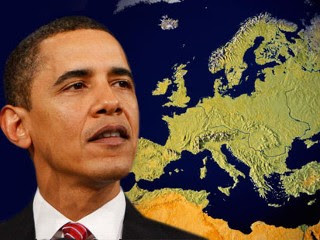
Everyone knows what the Colombian president did not say. The open secret is that the U.S. still will not allow Cuba to attend these summits, which have been organized since 1994. This follows the imposition of a harsh blockade on Cuba in 1961 and the decision to expel Cuba from the Organization of American States half a century ago. In effect, the discussion in Cartagena revolved passionately around this issue, although President Barack Obama kept to both the path his predecessors have taken since John Kennedy and to his justification for his position, asserting that Cuba "has shown no interest in normalizing its relations with the United States." His deputy national security advisor, Ben Rhodes, also made a clear statement: "We have said time and again that we welcome the day in which a democratic Cuba could become a full participant in the Summit of the Americas and in the institutions of the Americas. Unfortunately, that day has not yet come."
The day has not yet come because the blockade has been ongoing for some 50 years. This is a blockade that prevents economic development on the island, along with a relentless media campaign from stations in Florida (Marti). The world has completely changed since the blockade was imposed, yet the United States has not adjusted its original position -- like the Japanese soldier who was discovered hiding in the jungle, convinced that World War II wasn't over. In spite of the positive progress in relations during Bill Clinton's two terms, the blockade remains a sign of the administration's position, broken only by direct flights and visits by artists and cultural and political personalities from Jesse Jackson to Francis Ford Coppola. They can enjoy the sight of old pictures of their peers that decorate the walls of the Havana Libre hotel (a former Hilton), the hotel from which the dictator Batista fled on New Year's eve of 1958. Here they will find pictures of Frank Sinatra and Eva Gardner, Marlene Dietrich and Gary Cooper. They will visit Ernest Hemingway's house and Hotel Nacional and reclaim a history for Havana, which before the blockade had more movie theaters than New York or Paris.
America's anger at Cuba is like a man's anger at his ex-wife. There's no explanation for it now, except in history and memories. True, relations between the two countries were tense during the era of conflict between the communist East and capitalist West, justifying a blockade on the rebellious nearby island at the time. However, the demise of the socialist camp and Cuba's withdrawal from the national independence wars in Africa, Asia and Latin America has left no excuse for the continuation of an antagonistic policy. Democracy is a pretext for America's unconvincing policy of taking its anger out on Cuba, while sometimes cooperating extensively with even worse dictatorships elsewhere in the world.
The anger of nostalgia for a bygone time is what feeds policies of power and centralization in the United States. In 1898, Washington backed the Cuban War of Independence against Spain and distributed the spoils southward, transforming the island into a farm and resort for Americans looking for wealth and entertainment. Havana received three million North American tourists in 1958 — today it prides itself on having one million foreign tourists. Cubans gained their second independence with Fidel Castro, so many in the north felt that they had lost something valuable.
Fidel Castro was quick to put forward his vision after the fall of the Soviet Union. He didn't contradict those who said that the lesson to be learned from Moscow's defeat in the Cold War was that an undemocratic regime and an economy based upon central planning lead to disaster. He emphasized that he did not intend to follow any political model, and that one does not realize today what the concept of communism has come to mean, adding that the legitimacy of resisting liberal globalization doesn't justify any recourse to violence. (Le Monde Diplomatique — April 2002.) Cuba was in solidarity with the U.S. against the terrorism that threatened its greatness on Sept. 11, 2001 — Bush Jr. was content not to include Cuba in his "Axis of Evil" ... and not much has changed. Cuba was still ostracized by Washington, in spite of the twentieth annual vote of the United Nations Assembly in favor of lifting the blockade, with a majority of 187 countries against two. Obama continued to deal with Cuba on the basis of the Trading with the Enemy Act.
This logic was accepted by the majority of Latin American countries, but the Americas have changed. From Chile to Argentina and from Bolivia to Venezuela, former political prisoners and activists in the guerilla wars have taken over the leadership of these countries. Among them is the president of the largest country of all, Brazil: Dilma Rousseff. This has created powerful leftist pressure in the Bolivarian Alliance for the Americas, which includes Cuba, Venezuela, Bolivia, Ecuador, Nicaragua and others. Cuba gained in Cartagena.
The lack of a closing statement was nothing but an expression of the new Latin American reality. The countries of Central and South America do not want a policy of isolating Cuba, and most of them would be unlikely to participate in another summit, should Cuba be forbidden from attending.
Cuba has a right to be glad about this turn of events. It was watching them. Fidel Castro devoted his article in Granma to them. On Apr. 17, he mentioned that the speech of Secretary General of the Organization of American States José Miguel Insulza did not stress respect for the sovereignty of these countries (the Malaween Islands, for example). He greeted the leader's arrival with derision, claiming that "Obama was the only one" who took advantage of the extra space to do some exercises — he took the chance, being alone, to jump athletically over the dividing steps, landing at the presidential reception platform. Fidel also noted the participation of women: They have established that things will get better in the world if they get involved in politics. He recalled the Brazilian president’s demand for equal relations with her country and other Latin American countries, while Obama was exhausted and "closing his eyes in spite of himself and sometimes sleeping with his eyes open."
People-to-People
The blockade imposed by the United States continues to affect the economic, social and cultural development of the Cuban people, especially the most vulnerable populations.
The United Nations Population Fund noted that treatment for children and young people who suffer from leukemia and those who have cancer of the retina is not readily available because it is subject to trade considerations according to American patents. The blockade has also affected access to anti-viral medications used to treat children who suffer from auto-immune deficiency syndrome (AIDS) and the viruses caused by it. The UNPF noted that according to the conditions of the American blockade, no drugs or medications made under U.S. patents can be sold to Cuba.
In September, President Barack Obama decided to extend the economic and financial sanctions as specified in the Trading with the Enemy Act. In August, the president decided to mitigate some of the restrictions on movement for academic, religious and cultural groups, in line with a "people-to-people" policy. Also, for the nineteenth year in a row, with 187 votes against two, the General Assembly of the United Nations confirmed a decision asking the United States to end the blockade it imposed on Cuba.
What can you do when the world is controlled by two men: one of them Bush Jr., who won an election whose impartiality was in doubt, and the other Boris Yeltsin, who made the decision to get rid of the Soviet Union after three shots of vodka?
So, in spite of the respectful discussion, why wasn’t a closing statement issued?
Everyone knows what the Colombian president did not say. The open secret is that the U.S. still will not allow Cuba to attend these summits, which have been organized since 1994. This follows the imposition of a harsh blockade on Cuba in 1961 and the decision to expel Cuba from the Organization of American States half a century ago. In effect, the discussion in Cartagena revolved passionately around this issue, although President Barack Obama kept to both the path his predecessors have taken since John Kennedy and to his justification for his position, asserting that Cuba "has shown no interest in normalizing its relations with the United States." His deputy national security advisor, Ben Rhodes, also made a clear statement: "We have said time and again that we welcome the day in which a democratic Cuba could become a full participant in the Summit of the Americas and in the institutions of the Americas. Unfortunately, that day has not yet come."
The day has not yet come because the blockade has been ongoing for some 50 years. This is a blockade that prevents economic development on the island, along with a relentless media campaign from stations in Florida (Marti). The world has completely changed since the blockade was imposed, yet the United States has not adjusted its original position -- like the Japanese soldier who was discovered hiding in the jungle, convinced that World War II wasn't over. In spite of the positive progress in relations during Bill Clinton's two terms, the blockade remains a sign of the administration's position, broken only by direct flights and visits by artists and cultural and political personalities from Jesse Jackson to Francis Ford Coppola. They can enjoy the sight of old pictures of their peers that decorate the walls of the Havana Libre hotel (a former Hilton), the hotel from which the dictator Batista fled on New Year's eve of 1958. Here they will find pictures of Frank Sinatra and Eva Gardner, Marlene Dietrich and Gary Cooper. They will visit Ernest Hemingway's house and Hotel Nacional and reclaim a history for Havana, which before the blockade had more movie theaters than New York or Paris.
America's anger at Cuba is like a man's anger at his ex-wife. There's no explanation for it now, except in history and memories. True, relations between the two countries were tense during the era of conflict between the communist East and capitalist West, justifying a blockade on the rebellious nearby island at the time. However, the demise of the socialist camp and Cuba's withdrawal from the national independence wars in Africa, Asia and Latin America has left no excuse for the continuation of an antagonistic policy. Democracy is a pretext for America's unconvincing policy of taking its anger out on Cuba, while sometimes cooperating extensively with even worse dictatorships elsewhere in the world.
The anger of nostalgia for a bygone time is what feeds policies of power and centralization in the United States. In 1898, Washington backed the Cuban War of Independence against Spain and distributed the spoils southward, transforming the island into a farm and resort for Americans looking for wealth and entertainment. Havana received three million North American tourists in 1958 — today it prides itself on having one million foreign tourists. Cubans gained their second independence with Fidel Castro, so many in the north felt that they had lost something valuable.
Fidel Castro was quick to put forward his vision after the fall of the Soviet Union. He didn't contradict those who said that the lesson to be learned from Moscow's defeat in the Cold War was that an undemocratic regime and an economy based upon central planning lead to disaster. He emphasized that he did not intend to follow any political model, and that one does not realize today what the concept of communism has come to mean, adding that the legitimacy of resisting liberal globalization doesn't justify any recourse to violence. (Le Monde Diplomatique — April 2002.) Cuba was in solidarity with the U.S. against the terrorism that threatened its greatness on Sept. 11, 2001 — Bush Jr. was content not to include Cuba in his "Axis of Evil" ... and not much has changed. Cuba was still ostracized by Washington, in spite of the twentieth annual vote of the United Nations Assembly in favor of lifting the blockade, with a majority of 187 countries against two. Obama continued to deal with Cuba on the basis of the Trading with the Enemy Act.
This logic was accepted by the majority of Latin American countries, but the Americas have changed. From Chile to Argentina and from Bolivia to Venezuela, former political prisoners and activists in the guerilla wars have taken over the leadership of these countries. Among them is the president of the largest country of all, Brazil: Dilma Rousseff. This has created powerful leftist pressure in the Bolivarian Alliance for the Americas, which includes Cuba, Venezuela, Bolivia, Ecuador, Nicaragua and others. Cuba gained in Cartagena.
The lack of a closing statement was nothing but an expression of the new Latin American reality. The countries of Central and South America do not want a policy of isolating Cuba, and most of them would be unlikely to participate in another summit, should Cuba be forbidden from attending.
Cuba has a right to be glad about this turn of events. It was watching them. Fidel Castro devoted his article in Granma to them. On Apr. 17, he mentioned that the speech of Secretary General of the Organization of American States José Miguel Insulza did not stress respect for the sovereignty of these countries (the Malaween Islands, for example). He greeted the leader's arrival with derision, claiming that "Obama was the only one" who took advantage of the extra space to do some exercises — he took the chance, being alone, to jump athletically over the dividing steps, landing at the presidential reception platform. Fidel also noted the participation of women: They have established that things will get better in the world if they get involved in politics. He recalled the Brazilian president’s demand for equal relations with her country and other Latin American countries, while Obama was exhausted and "closing his eyes in spite of himself and sometimes sleeping with his eyes open."
People-to-People
The blockade imposed by the United States continues to affect the economic, social and cultural development of the Cuban people, especially the most vulnerable populations.
The United Nations Population Fund noted that treatment for children and young people who suffer from leukemia and those who have cancer of the retina is not readily available because it is subject to trade considerations according to American patents. The blockade has also affected access to anti-viral medications used to treat children who suffer from auto-immune deficiency syndrome (AIDS) and the viruses caused by it. The UNPF noted that according to the conditions of the American blockade, no drugs or medications made under U.S. patents can be sold to Cuba.
In September, President Barack Obama decided to extend the economic and financial sanctions as specified in the Trading with the Enemy Act. In August, the president decided to mitigate some of the restrictions on movement for academic, religious and cultural groups, in line with a "people-to-people" policy. Also, for the nineteenth year in a row, with 187 votes against two, the General Assembly of the United Nations confirmed a decision asking the United States to end the blockade it imposed on Cuba.
What can you do when the world is controlled by two men: one of them Bush Jr., who won an election whose impartiality was in doubt, and the other Boris Yeltsin, who made the decision to get rid of the Soviet Union after three shots of vodka?
Previous article