
Europe Remains a Spectator*
Published in Frankfurter Allgemeine Zeitung
(Germany) on 11 May 2026
by Nikolas Busse (link to
original)
The blockade of the Strait of Hormuz is also hurting the European economy, but the EU is not acting. Majority decisions won’t be of any help, either.
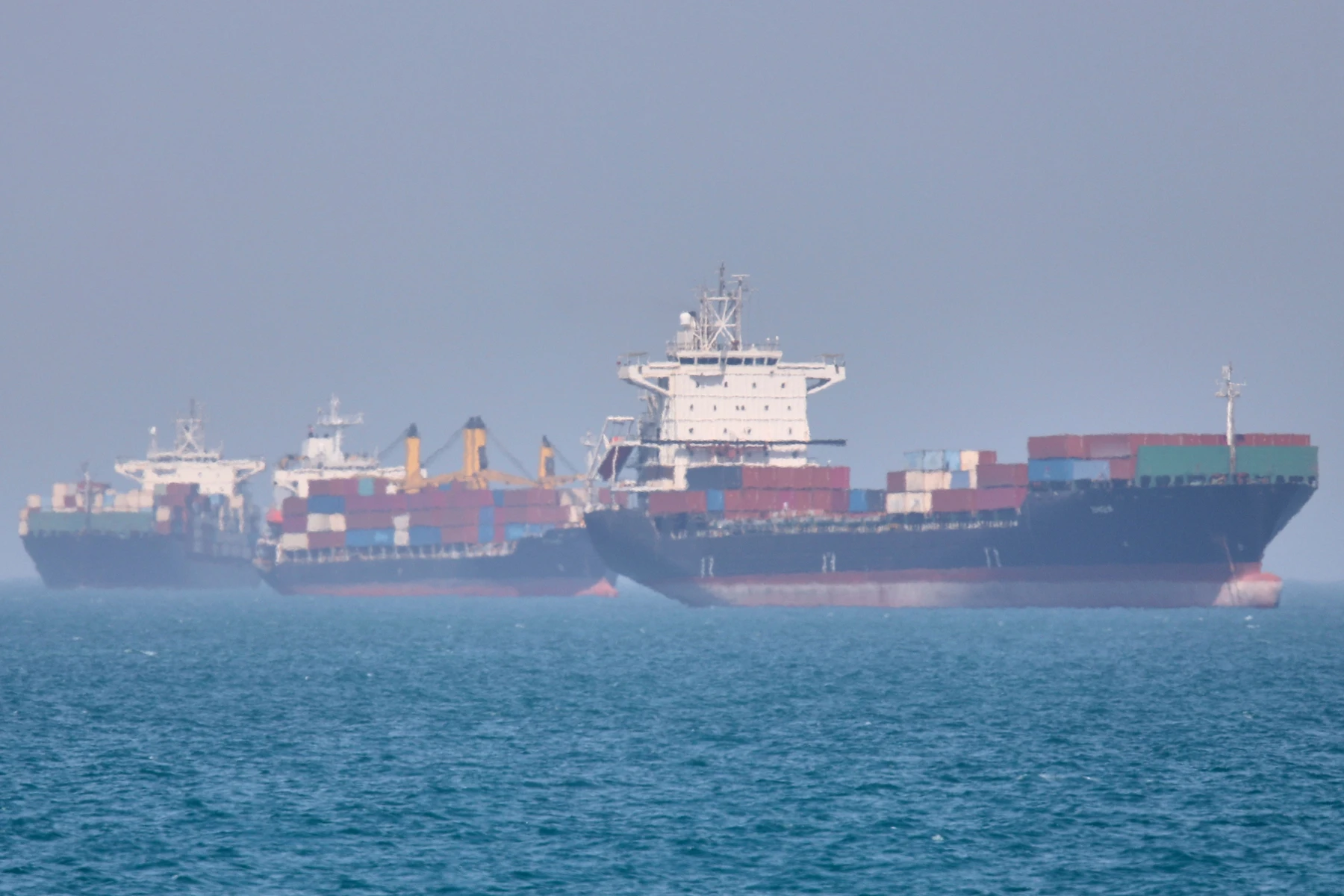
The news coming from the Persian Gulf isn't really getting better. The diplomatic back-and-forth between Washington and Tehran, which is being mediated by Pakistan, again didn’t lead to any solution this weekend. Only isolated tankers are currently making it through the Strait of Hormuz. In this situation, the EU foreign ministers are meeting in Brussels — and initially not making any concrete decisions.
As so often happens, one must unfortunately add. In the Iran war, the aspirations and reality of European foreign policy are especially divergent. For many years, the EU has wanted to be a “player” in the Middle East generally and with respect to the nuclear conflict in particular, but it is contenting itself time and again with the role of spectator.
Tightening Sanctions?
The blockade of the Strait of Hormuz has lasted for 10 weeks now; the economic consequences are being felt in Europe too. Yet, still the ministers hesitate to immediately tighten sanctions on Iran. What are they waiting for? That Donald Trump does, in fact, end the war that “isn’t ours”? That the Iranians relinquish themselves of their new instrument of power to maintain the “rules-based order”?
Last week, the German foreign minister brought up an old suggestion for reforming EU foreign policy. It’s one that is reliably mentioned when Europe’s powerlessness becomes excessively obvious: majority decisions! But they require that there at least be member states that want to act. The agreements are not the EU’s problem; it is the lack of political will in its capital cities.
*Editor’s note: This article is available in its original language with a paid subscription.
The news coming from the Persian Gulf isn't really getting better. The diplomatic back-and-forth between Washington and Tehran, which is being mediated by Pakistan, again didn’t lead to any solution this weekend. Only isolated tankers are currently making it through the Strait of Hormuz. In this situation, the EU foreign ministers are meeting in Brussels — and initially not making any concrete decisions.
As so often happens, one must unfortunately add. In the Iran war, the aspirations and reality of European foreign policy are especially divergent. For many years, the EU has wanted to be a “player” in the Middle East generally and with respect to the nuclear conflict in particular, but it is contenting itself time and again with the role of spectator.
Tightening Sanctions?
The blockade of the Strait of Hormuz has lasted for 10 weeks now; the economic consequences are being felt in Europe too. Yet, still the ministers hesitate to immediately tighten sanctions on Iran. What are they waiting for? That Donald Trump does, in fact, end the war that “isn’t ours”? That the Iranians relinquish themselves of their new instrument of power to maintain the “rules-based order”?
Last week, the German foreign minister brought up an old suggestion for reforming EU foreign policy. It’s one that is reliably mentioned when Europe’s powerlessness becomes excessively obvious: majority decisions! But they require that there at least be member states that want to act. The agreements are not the EU’s problem; it is the lack of political will in its capital cities.
*Editor’s note: This article is available in its original language with a paid subscription.
Previous article
Next article
