US Has No Chance of Victory in Syrian Dilemma
The objective of war is not to bombard. It is to weigh, based on a balance of power, which political rule is more favorable to one’s interests. In this sense, the United States’ engagement in Syria has been characterized by its absence until now. If the American government fights against its clearly defined enemies, the Assad regime and the jihadi fighters of the Islamic State, it will not sufficiently arrange for its close and powerful allies to reap the benefits of a military success. Once, the White House hoped for the victory of a respectable power like the Free Syrian Army, an association of deserters characterized by their nationalism and democratic rhetoric. But this movement quickly lost its influence in favor of various jihadi organizations generously supported by certain countries in the region, including various Gulf States in the financial domain and Turkey in terms of logistic material.
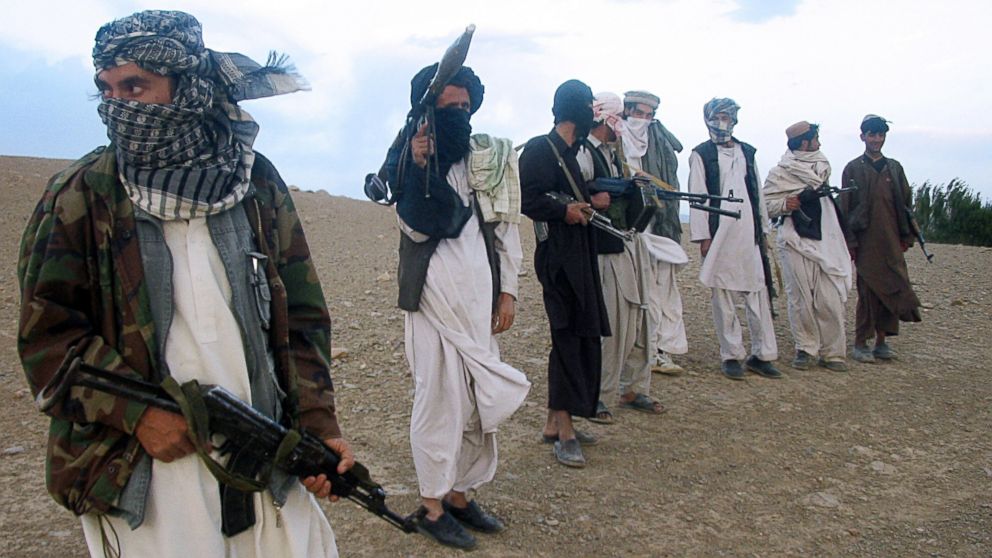
The Obama administration tried to promote some local allies. But in this game it experienced defeat after defeat. A substantial part of the equipment that [the administration] delivered to its protégés ended up in the hands of large jihadi organizations, starting with the al-Nusra Front, the Syrian branch of al-Qaida. As for combatants that the administration had intended to train in safe countries before fighting on the Syrian battlefield, they have evaporated. Of the 5,000 planned for 2015, about 50 had arrived on the terrain to be immediately targeted. Only four or five of them would have survived.
The United States still has an important local ally, the People’s Protection Units, an emergence of the Democratic Union Party in Syria. This force seeks to distinguish itself clearly from the Assad regime and different jihadi formations present in Syria. But it poses an equivalent problem in Washington. Representative of an ethnic minority confined in the north of the country, the Democratic Union Party essentially has local ambitions and does not represent a serious alternative to the actual Assad regime. Above all, it is the pet hate of Turkey, fiercely opposed to the emancipation of the Kurds of the Arab world, out of fear of the emancipation of its own Kurds. This, accordingly, constitutes the local branch of the Kurdistan Workers’ Party in the war against Ankara in Anatolia. Yet Turkey is a strategic partner of the United States. In addition, it is closely linked to those within NATO. The American administration thus found itself in an impossible situation, where its local best friend is the worst enemy of its largest regional ally.
The United States follows a strategy so flawed that the principal enemies of its enemies, the al-Nusra Front in the war against the government of Assad and the Kurdistan Workers’ Party in its opposition to the Islamic State group, are on its official list of terrorist organizations. Fifteen years after having declared a world war on terror, [America] again lost sight of its objective, and even reduced its chance of victory.
The Obama administration tried to promote some local allies. But in this game it experienced defeat after defeat. A substantial part of the equipment that [the administration] delivered to its protégés ended up in the hands of large jihadi organizations, starting with the al-Nusra Front, the Syrian branch of al-Qaida. As for combatants that the administration had intended to train in safe countries before fighting on the Syrian battlefield, they have evaporated. Of the 5,000 planned for 2015, about 50 had arrived on the terrain to be immediately targeted. Only four or five of them would have survived.
The United States still has an important local ally, the People’s Protection Units, an emergence of the Democratic Union Party in Syria. This force seeks to distinguish itself clearly from the Assad regime and different jihadi formations present in Syria. But it poses an equivalent problem in Washington. Representative of an ethnic minority confined in the north of the country, the Democratic Union Party essentially has local ambitions and does not represent a serious alternative to the actual Assad regime. Above all, it is the pet hate of Turkey, fiercely opposed to the emancipation of the Kurds of the Arab world, out of fear of the emancipation of its own Kurds. This, accordingly, constitutes the local branch of the Kurdistan Workers’ Party in the war against Ankara in Anatolia. Yet Turkey is a strategic partner of the United States. In addition, it is closely linked to those within NATO. The American administration thus found itself in an impossible situation, where its local best friend is the worst enemy of its largest regional ally.
The United States follows a strategy so flawed that the principal enemies of its enemies, the al-Nusra Front in the war against the government of Assad and the Kurdistan Workers’ Party in its opposition to the Islamic State group, are on its official list of terrorist organizations. Fifteen years after having declared a world war on terror, [America] again lost sight of its objective, and even reduced its chance of victory.
Previous article