Separation of Powers
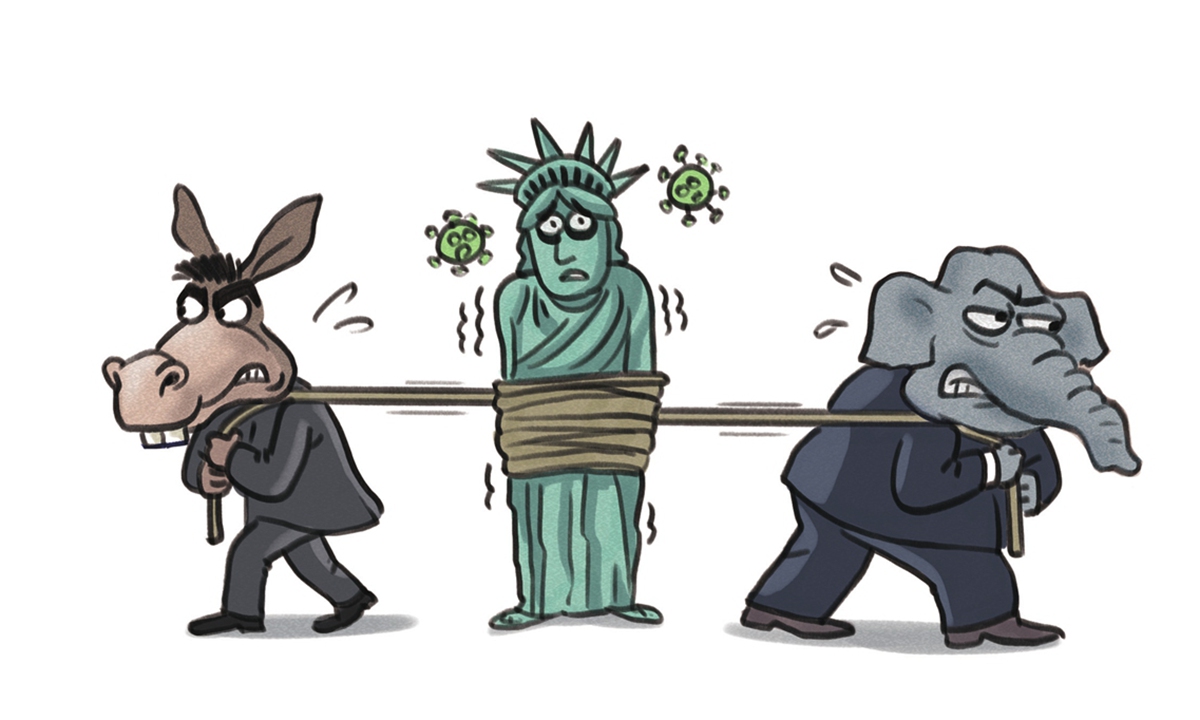
The developments since the presidential election in the United States have captured the media’s attention almost as much as the process itself. President Donald Trump’s refusal to recognize Joe Biden’s victory, the silence of many of the Republican representatives and the number of appeals lodged at different levels of judicial power, all the way up to the Supreme Court, with the goal of winning in the courts what had been lost in the ballot boxes, has kept the entire world surprised and incredulous. This is an unprecedented situation in a country leading in democratic values and in which the transition of power has occurred without major trauma for many years.
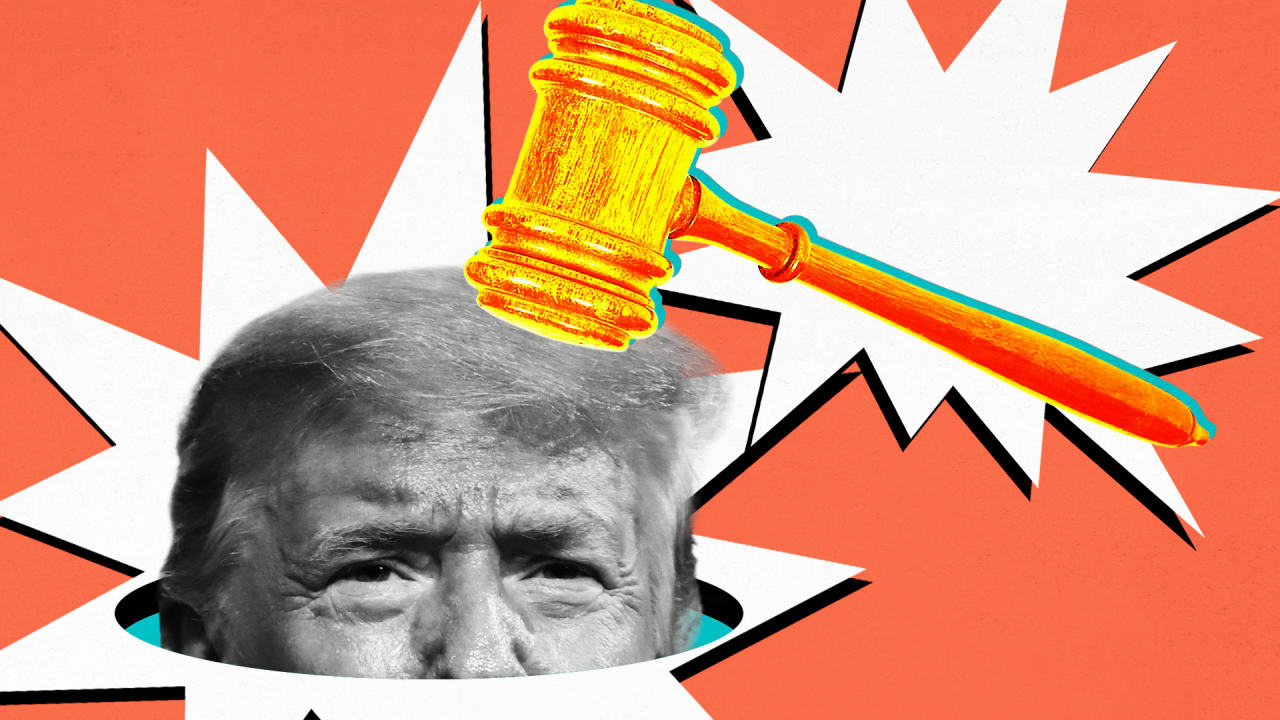
However, in the middle of the media noise, the volatility of social media, the most unbelievable declarations and the challenge to the electoral process without providing evidence to support its illegitimacy, one important fact stands out: This is a demonstration of the real separation of powers that exists in the great country to the north. The local, state and national courts, with rare exceptions, did not even accept the claims from the president’s partisan lawyers despite the pressure that Trump, in his own peculiar way, tried to exercise over the judicial authorities. The Supreme Court, which includes three justices nominated and confirmed during the administration that is now ending, plus three more conservative-leaning justices out of a total of nine in its makeup, also rejected the bizarre petition from the governor of Texas concerning the intervention of one state in the election rules of others.
This fact did not go unnoticed in Latin America. In theory, in those countries (including ours, of course), each one of those powers of the state is independent and does not receive instructions, orders or pressure from another. But in practice, the executive power either covertly or openly influences the procedures and decisions of the other two powers, especially over the judicial branch. In fact, the general perception is that, in matters of a certain entity, this latter power does not act without the permission of the former power.*
Below the Rio Grande it is rare to encounter a legislative house that provides ongoing opposition to the president without risking a rude intervention in its institutional life, as has happened in Venezuela and, several months ago, in El Salvador, or without an attempt to disqualify the Supreme Court from decisions concerning another branch, as Vice President Cristina Fernandez de Kirchner recently did in Argentina.
I hope the good example in the U.S. spreads and that the separation of powers becomes reality in these latitudes.
*Translator’s note: The author is apparently referring to the judicial branch of government not acting on matters involving the executive branch without the permission of the executive branch.
However, in the middle of the media noise, the volatility of social media, the most unbelievable declarations and the challenge to the electoral process without providing evidence to support its illegitimacy, one important fact stands out: This is a demonstration of the real separation of powers that exists in the great country to the north. The local, state and national courts, with rare exceptions, did not even accept the claims from the president’s partisan lawyers despite the pressure that Trump, in his own peculiar way, tried to exercise over the judicial authorities. The Supreme Court, which includes three justices nominated and confirmed during the administration that is now ending, plus three more conservative-leaning justices out of a total of nine in its makeup, also rejected the bizarre petition from the governor of Texas concerning the intervention of one state in the election rules of others.
This fact did not go unnoticed in Latin America. In theory, in those countries (including ours, of course), each one of those powers of the state is independent and does not receive instructions, orders or pressure from another. But in practice, the executive power either covertly or openly influences the procedures and decisions of the other two powers, especially over the judicial branch. In fact, the general perception is that, in matters of a certain entity, this latter power does not act without the permission of the former power.*
Below the Rio Grande it is rare to encounter a legislative house that provides ongoing opposition to the president without risking a rude intervention in its institutional life, as has happened in Venezuela and, several months ago, in El Salvador, or without an attempt to disqualify the Supreme Court from decisions concerning another branch, as Vice President Cristina Fernandez de Kirchner recently did in Argentina.
I hope the good example in the U.S. spreads and that the separation of powers becomes reality in these latitudes.
*Translator’s note: The author is apparently referring to the judicial branch of government not acting on matters involving the executive branch without the permission of the executive branch.
Previous article
Next article