Biden Wants Extensive Immigration Reform
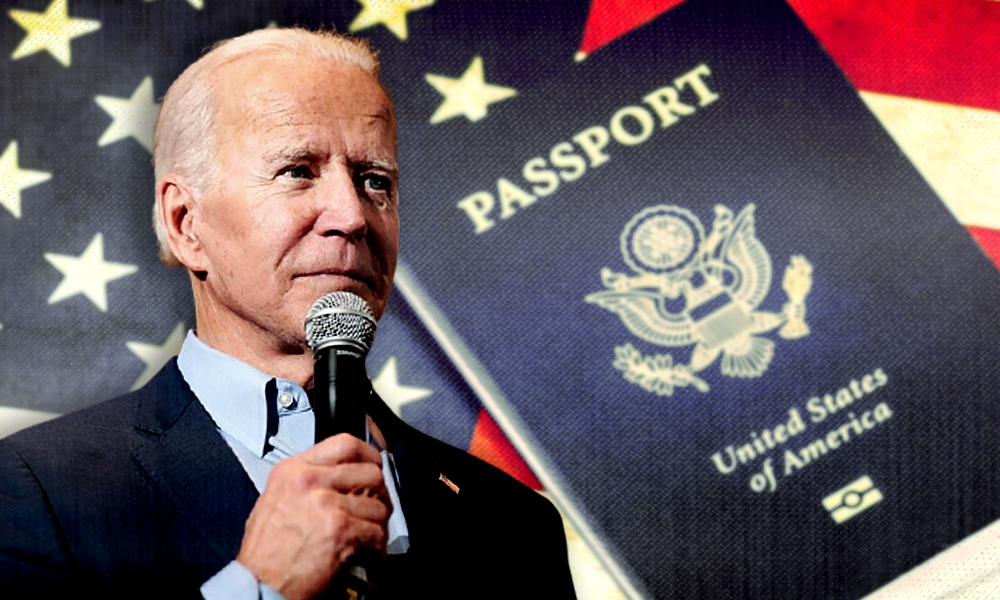
In another change from his predecessor, Joe Biden announced on Tuesday, Feb. 2, his wish to facilitate the naturalization of several million immigrants living on American soil. He also announced plans to set up a task force to reunite 600 children who had been separated from their families.
As Joe Biden declared during his campaign, from his point of view, America is "safer, stronger, and more prosperous with a fair, safe, and orderly immigration system that ... allows people … to more fully contribute to our country," which is a radically different vision from that of his predecessor. Biden set the tone from his first day in office, revoking the order to build a wall on the U.S.-Mexican border and lifting the ban on those entering from mainly Muslim countries, two of Donald Trump's distinctive measures.
Next, on Tuesday, Feb. 2, the 46th president signed several executive orders addressing the urgent situation of immigrant children on the Mexican border who are separated from their families, which he called "a moral and national shame," as well as far-reaching immigration reform that over time will grant American citizenship to millions of people now living in the country.
For the new administration, the most pressing immigration problem is along the frontier with Mexico. It comprises the dual issues of the 600 minors separated from their families, on the one hand, about whom a task force will be established to help "according to their wishes and situations,"* although the results will not be achievable for four months, according to the White House.
On the other hand, there are the thousands of others seeking to enter the U.S. awaiting a response from U.S. authorities on the other side of the Mexican border. Trump had imposed on these mostly Central American chasers of the American dream his demand that they seek asylum in America on Mexican soil, which was loudly condemned by Democrats and human rights groups.
Biden declared on Feb. 2 that he would evaluate this policy, rather than end it, since the White House truly fears that a 180-degree about turn would result in a massive influx of immigrants. "This is not the time to come to the United States. We need the time to put in place an immigration process so people can be treated humanely," stated White House spokeswoman Jen Psaki.
The White House will have to overcome numerous obstacles with these issues. Some local authorities are already putting up resistance to its measures; for example, reacting to Biden's 100-day moratorium on the deportation of undocumented immigrants who arrived in America before Nov. 1, 2020, Texas immediately took the matter to federal court. The moratorium has been suspended until there can be a decision on the merits.
Ultimately, Biden must persuade Congress, where the plans of George W. Bush and Barack Obama, also supporters of the naturalization of millions of undocumented immigrants, were both buried. Given the slender majority of Democrats in both houses, a fierce struggle is foreseeable.**
*Editor’s note: This quotation, accurately translated, could not be verified.
**Editor’s note: Access to the original article requires a paid subscription.
As Joe Biden declared during his campaign, from his point of view, America is "safer, stronger, and more prosperous with a fair, safe, and orderly immigration system that ... allows people … to more fully contribute to our country," which is a radically different vision from that of his predecessor. Biden set the tone from his first day in office, revoking the order to build a wall on the U.S.-Mexican border and lifting the ban on those entering from mainly Muslim countries, two of Donald Trump's distinctive measures.
Next, on Tuesday, Feb. 2, the 46th president signed several executive orders addressing the urgent situation of immigrant children on the Mexican border who are separated from their families, which he called "a moral and national shame," as well as far-reaching immigration reform that over time will grant American citizenship to millions of people now living in the country.
For the new administration, the most pressing immigration problem is along the frontier with Mexico. It comprises the dual issues of the 600 minors separated from their families, on the one hand, about whom a task force will be established to help "according to their wishes and situations,"* although the results will not be achievable for four months, according to the White House.
On the other hand, there are the thousands of others seeking to enter the U.S. awaiting a response from U.S. authorities on the other side of the Mexican border. Trump had imposed on these mostly Central American chasers of the American dream his demand that they seek asylum in America on Mexican soil, which was loudly condemned by Democrats and human rights groups.
Biden declared on Feb. 2 that he would evaluate this policy, rather than end it, since the White House truly fears that a 180-degree about turn would result in a massive influx of immigrants. "This is not the time to come to the United States. We need the time to put in place an immigration process so people can be treated humanely," stated White House spokeswoman Jen Psaki.
The White House will have to overcome numerous obstacles with these issues. Some local authorities are already putting up resistance to its measures; for example, reacting to Biden's 100-day moratorium on the deportation of undocumented immigrants who arrived in America before Nov. 1, 2020, Texas immediately took the matter to federal court. The moratorium has been suspended until there can be a decision on the merits.
Ultimately, Biden must persuade Congress, where the plans of George W. Bush and Barack Obama, also supporters of the naturalization of millions of undocumented immigrants, were both buried. Given the slender majority of Democrats in both houses, a fierce struggle is foreseeable.**
*Editor’s note: This quotation, accurately translated, could not be verified.
**Editor’s note: Access to the original article requires a paid subscription.
Previous article
Next article