The Cold War over TikTok Videos

Published in Der Standard
(Austria) on 24 March 2023
by Eric Frey (link to originallink to original)
Translated from by Mallory Matsumoto<i>US policy’s fight against the popular platform is an absurd response to the challenge from China.</i> An intense war may be raging in Ukraine, but China remains the greatest enemy in Washington. And its most dangerous weapon is 30-second-long dance videos. At least, this is the impression given by Congressional representatives from both parties during an hours-long hearing of TikTok CEO Shou Zi Chew, who was interrogated like a war criminal on Thursday. Loyalty to Beijing, data theft, spying, destruction of American youth—the reserved manager from Singapore was accused of everything. That it was the Chinese government, rather than the private parent company ByteDance, who ruled out the sale of TikTok hours before the hearing only increased mistrust surrounding ByteDance’s independence. Whether Beijing could in fact access strategically valuable information through the popular video platform is hardly relevant here anymore. TikTok has become a symbol of the new Cold War between the U.S. and China. But the representation of this fight has just as much substance of a typical TikTok video. China is not as powerful as some claim, nor is there any apparent masterplan for global supremacy. The authoritarian President Xi Jinping is a problem primarily for his people who are stripped of increasingly more freedoms, including use of Western internet services. The demonization of TikTok is the most absurd answer to the challenge from China.. Edited by Helaine Schweitzer.
The U.S. policy battle against the popular platform is an absurd response to the challenge from China.

An intense war may be raging in Ukraine, but China remains Washington’s greatest enemy. And the enemy’s most dangerous weapon consists of 30-second dance videos. At least, that’s the impression members of Congress from both parties gave during an hours-long hearing with TikTok CEO Shou Zi Chew, who was interrogated like a war criminal on Thursday. Loyalty to Beijing, data theft, spying, destruction of American youth —the reserved manager from Singapore was accused of everything. The fact that it was the Chinese government rather than the private parent company ByteDance who ruled out selling TikTok hours before the hearing only increased mistrust surrounding ByteDance’s independence.

Whether Beijing can, in fact, access strategically valuable information through the popular video platform is hardly relevant here anymore. TikTok has become a symbol of the new Cold War between the U.S. and China.

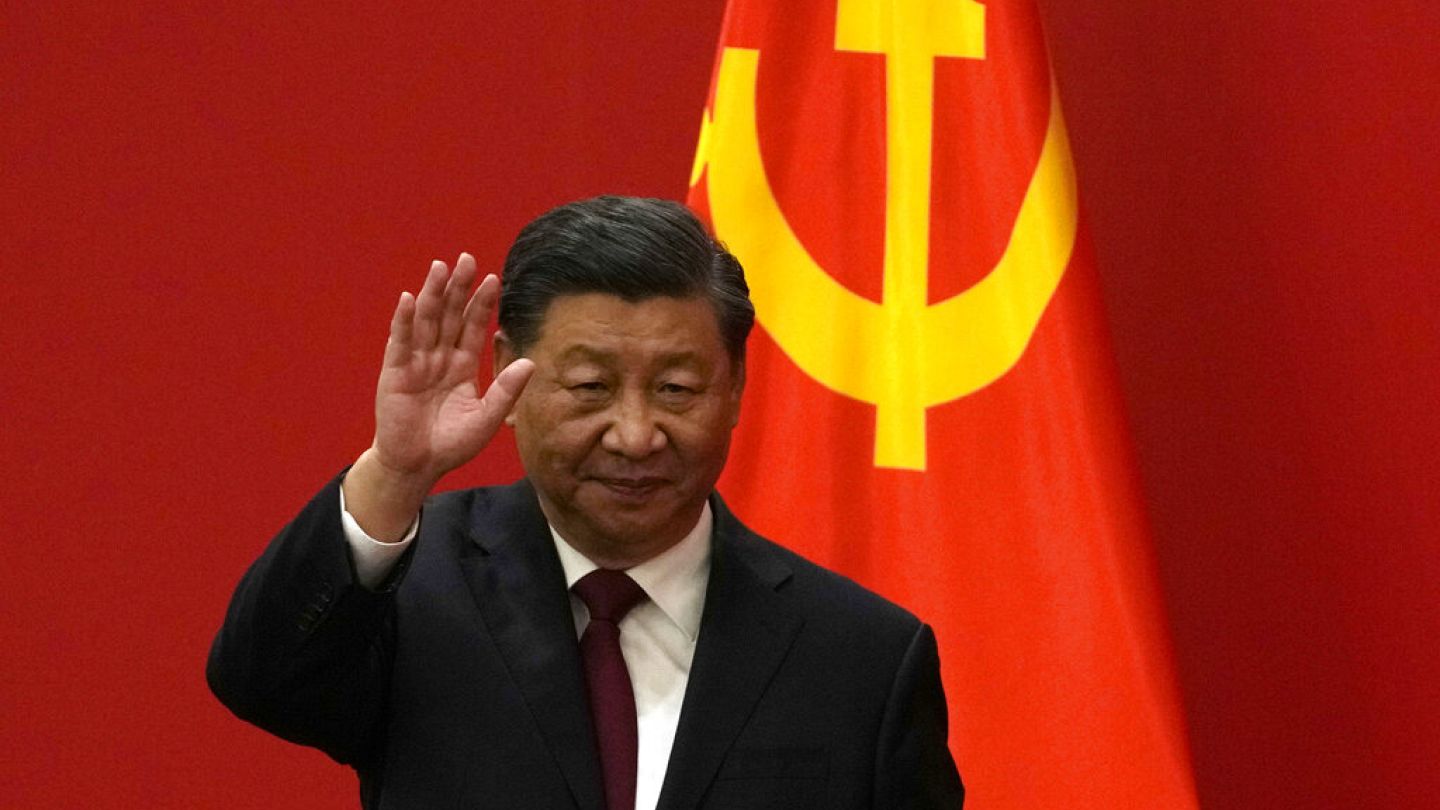
But the way this fight is portrayed has just as much substance of a typical TikTok video. China is not as powerful as some claim, nor is there any apparent master plan for global supremacy. The authoritarian President Xi Jinping is a problem primarily for his people who are stripped of increasingly more freedoms, including the use of Western internet services. The demonization of TikTok is the most absurd answer to the challenge from China.


Der kalte Krieg um Tiktok-Videos
Der Kampf der US-Politik gegen die populäre Plattform ist eine absurde Antwort auf die chinesische Herausforderung

In der Ukraine mag ein heißer Krieg toben, aber in Washington gilt China immer noch als größter Feind. Und dessen gefährlichste Waffe sind 30 Sekunden lange Tanzvideos. Diesen Eindruck erweckten zumindest Kongressabgeordnete aus beiden Parteien bei der stundenlangen Befragung von Tiktok-Chef Shou Chew, der am Donnerstag wie ein Kriegsverbrecher verhört wurde. Gehorsam gegenüber Peking, Datenklau, Spionage, das Verderben der amerikanischen Jugend – alles wurde dem zurückhaltenden Manager aus Singapur vorgeworfen. Dass es die chinesische Regierung war, die Stunden vor dem Hearing den Verkauf von Tiktok ausschloss, nicht der private Mutterkonzern Bytedance, hat das Misstrauen im Bezug auf dessen Unabhängigkeit noch verstärkt.
Ob Peking über die populäre Videoplattform tatsächlich an strategisch wertvolle Informationen herankommen könnte, spielt hier kaum noch eine Rolle. Tiktok ist zum Symbol des neuen kalten Krieges zwischen den USA und China geworden.
Aber die Darstellung dieses Kampfes hat so viel Substanz wie ein typisches Tiktok-Video. Weder ist China so mächtig, wie manche behaupten, noch lässt sich ein Masterplan für die globale Vorherrschaft erkennen. Der autoritäre Präsident Xi Jinping ist vor allem für sein Volk ein Problem, dem immer mehr Freiheiten genommen werden, darunter die Nutzung westlicher Onlinedienste. Die Dämonisierung von Tiktok ist die absurdeste Antwort auf die chinesische Herausforderung. (Eric Frey, 24.3.2023)
This post appeared on the front page as a direct link to the original article with the above link .

Hot this week

South Africa: Trump’s Cantankerous Leadership a Bad Omen for World Peace

Poland: Polish PM Donald Tusk Questions US Loyalty in Financial Times, Targeting Both Parties

Canada: Charles Shows Power with Soft Diplomacy

Saudi Arabia: The Bullet, the President, and the Battle for the Image

Topics

Venezuela: Neither State of the Union nor Commonwealth nor Bolivarian Republic: The Republic of Venezuela


Ireland: Don’t Ask Americans about News or Politics. They’re Done

South Africa: Trump’s Cantankerous Leadership a Bad Omen for World Peace

Egypt: The Role of Technology and AI in the US-Israeli War with Iran

United Arab Emirates: Did the War Create a Rift in Trump’s Party?

Germany: The Pentagon’s Internal War

Related Articles

Canada: As Trump’s America Steps Back, Xi’s China Moves In

Canada: Trump’s Rule-Breaking Belligerence Lowers the Bar Everywhere

Poland: Democrats Are Considering Whether To Strip Donald Trump of Power Using the 25th Amendment. Is That Feasible?*

Venezuela: The ‘Shield of the Americas’ Doesn’t Help Latin America

Germany: Moon Mission: US and China Vie for Supremacy in Space