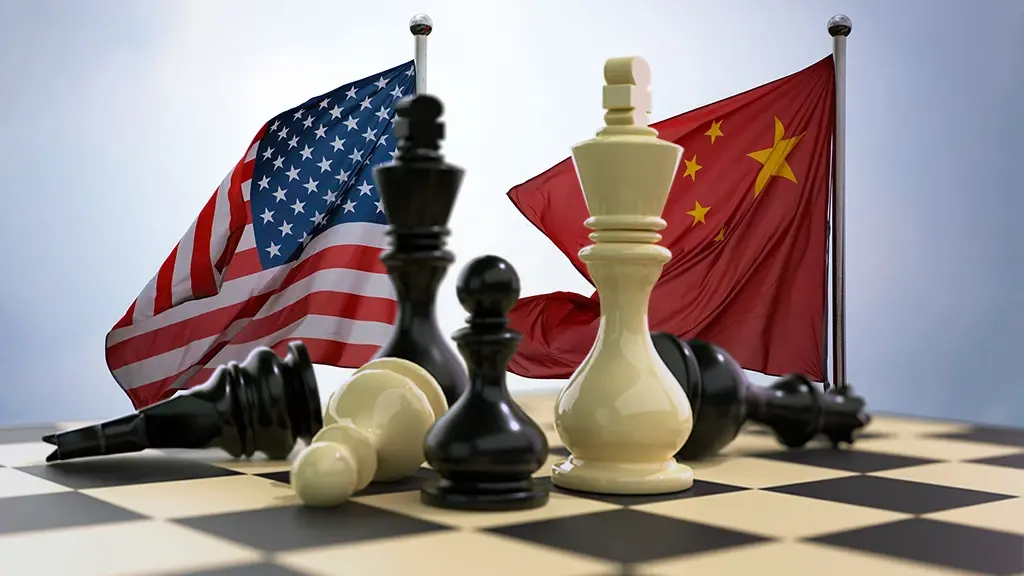
The shifting political and economic dynamics between the U.S. and China are preserving the strategic balance between the two nations and rearranging their priorities.
President Donald Trump’s visit to China helped reset these priorities, as Beijing emphasized its commitment to preventing Iran from acquiring nuclear weapons and the need to reopen the Strait of Hormuz.
Russia’s foreign minister said Moscow will not interfere in U.S.-China trade relations, adding that Russia would be very pleased if Washington and Beijing reached an agreement on U.S. energy supplies. He noted that Moscow is fulfilling its obligations to supply China with energy resources, but acknowledged that Russia finds it difficult to understand what the U.S. wants from China in the context of the conflict with Iran.
Following the Beijing summit, and considering Iranian Foreign Minister Abbas Araghchi’s preliminary visit to China, analysts note that Araghchi’s trip failed to influence the outcome of the U.S.-China summit regarding Iran. Beijing’s stance on Tehran acquiring nuclear weapons remained unchanged. Furthermore, Trump’s visit did not push China to alter its position on arms sales to Iran, nor did it stop Beijing from providing technical assistance, artificial intelligence technology and semiconductors, or continuing to purchase Iranian oil.
The U.S.-Iran conflict has imposed a new set of variables on political relations between Washington and Beijing, which are expected to lead to new alliances. China agreed to buy U.S. oil to avoid closures of the Strait of Hormuz, thereby moving away from the Iranian oil it has relied on for years. This shift secures a safe and continuous energy supply for China while depriving Iran of oil revenues that reached $500 million a day, tightening the economic noose around Tehran.
Trump spoke plainly about the enormous success of his China visit and the "great deals" that were achieved. The summit yielded significant commercial and economic contracts across various sectors, signaling the start of a new phase of strategic cooperation. Trump effectively achieved strategic objectives regarding the Iranian war, specifically concerning the Strait of Hormuz, freedom of navigation and ending the war. He returned to Washington with promising results for a new partnership with Beijing as the U.S. prepares for midterm elections later this year.
Undoubtedly, the Iranian issue has driven a U.S.-China rapprochement rooted in the economic considerations governing their relationship. China relies on Iranian oil for up to 90% of its needs, while the war and its repercussions have closed the strait through which China imports about 45% of its overall supply.
In short, Washington and Beijing are thinking along the same lines regarding Iran: no nuclear weapons and no closure of the Strait of Hormuz. The lingering question is what Washington will offer Beijing in return for successfully reopening the strait.
It seems certain that Beijing, which maintains close ties with Tehran and is one of its largest oil buyers, will not do any free favors. The true results of this summit will become clear in the coming days. China is the superpower that holds a key that Western capitals do not possess.
لا خدمات مجانيّة!
الولايات المتحدة الأمريكية والصين ومعادلة متغيّرة في العلاقات السياسيّة والاقتصاديّة، تحفظ توازن المصالح الاستراتيجيّة بين البلدين، وتعيد ترتيب الأولويات السياسيّة والاقتصاديّة.
زيارة الرئيس الأمريكي دونالد ترامب إلى الصين عملت على اعادة ترتيب الأولويات بين البلدين، مع تأكيد الصين حرصها على عدم امتلاك إيران السّلاح النووي، وكذلك ضرورة اعادة فتح مضيق هرمز.
وزير الخارجية الروسي قال إن بلاده لا تتدخل في العلاقات التجارية بين الولايات المتحدة والصين، مؤكدًا بأن موسكو ستكون سعيدة للغاية إذا توصلت واشنطن وبكين إلى اتفاقٍ بشأن امدادات الطاقة الأمريكية، في وقت أشار إلى أن موسكو تفي بالتزاماتها بشأن تزويد الصين بإمدادات الطاقة ومواردها، في وقت لفت إلى أن بلاده تجد صعوبة في فهم ما تريده الولايات المتحدة من الصين في سياق الصراع مع إيران.
مع انتهاء قمّة بكين وبالنظر إلى زيارة وزير الخارجيّة الإيراني عباس عراقجي الاستباقيّة إلى الصين، فإن المتمعن بمخرجات هذه القمّة يدرك بأن زيارة عراقجي فشلت في التأثير على نتائج القمّة الصينيّة الأمريكية حول إيران، من ناحية موقف بكين من امتلاك طهران للسّلاح النووي، كما أن زيارة الرئيس ترامب لم تدفع الصين إلى اتخاذ موقف من ناحية بيع الأسلحة لإيران، أو من ناحية الامتناع عن تقديم المساعدات لها فيما يتعلق بالجانب التقني أو الذكاء الاصطناعي والصفائح الرقيقة، وكذلك الحيلولة دون شراء النفط الإيراني.
الحرب الأمريكية الإيرانية فرضت معادلة متغيرة في العلاقات السياسية بين واشنطن وبكين؛ من المتوقع أن تؤدي إلى تحالفات جديدة، خصوصًا وأنّ الصين وافقت على شراء النفط الأمريكي لتجنب اغلاقات مضيق هرمز، وبالتالي الابتعاد عن النفط الإيراني، الذي كانت تعتمد عليه الصين منذ سنوات طويلة، وهو الأمر الذي من شأنه أن يوفر للصين إمداداتها من الطاقة بشكل آمن ومستمر، ويحرم إيران من عوائد النفط التي كانت تصل إلى خمسمئة مليون دولار يوميًا؛ وهو ما يعني تضييق الخناق الاقتصادي على طهران.
الرئيس ترامب قالها بصراحة وهو يشير إلى نجاحة زيارته إلى الصين بشكل كبير، وما حققته من عقد صفقات عظيمة كما وصفها.
القمّة حققت عقود تجارية واقتصادية مهمّة، لأنّها وفّرت عدد من العقود في مجالات مختلفة، وهي تدل على بداية عملية جديدة لتعاون استراتيجي.
الرئيس ترامب فعليًا تمكن أن يحقق أهداف استراتيجيّة على صعيد الملف الإيراني وفيما يتعلق بمضيق هرمز تحديدًا، وحرية الملاحة وإنتهاء الحرب.
الرئيس ترامب عاد بعد القمّة المشتركة إلى واشنطن ومعه نتائج مبشرة بتعاونٍ جديد مع بكين، في وقت تستعد الولايات المتحدة لانتخاباتها النصفيّة قبل نهاية هذا العام.
مما لا شك به بأنّ الملف الإيراني دفع إلى تقارب أمريكي صيني في سياق الاعتبارات الاقتصادية التي تحكم العلاقات بين البلدين، واعتماد الصين على النفط الإيراني بنسبة تصل إلى تسعين بالمئة، في وقت يغلق فيه المضيق الذي تعتمد عليه الصين في استيراد نحو خمسة وأربعين بالمئة من احتياجاتها جرّاء هذهِ الحرب وتبعاتها.
بالملخص فإن واشنطن وبكين تفكران بطريقة متشابهة بشأن إيران؛ فلا سلاح نووي ولا لإغلاق مضيق هرمز، في الوقت يدور فيه السؤال حول المقابل الذي ستحصل عليه الصين من واشنطن في حال نجحت في إعادة فتح مضيق هرمز؟.
يبدو بأنّه ومن المؤكّد أن لا خدمات مجانيّة ستقدم من قبل بكين التي هي قريبة من طهران؛ وهي من أكبر المشترين لنفطها، ونتائج هذهِ القمّة ستظهرها قادم الأيام، فالصين هي الدولة العظمى التي تمتلك مفتاحًا لا تمتلكه العواصم الغربيّة.
This post appeared on the front page as a direct link to the original article with the above link
.