
Unimportant Debate
Published in Frankfurter Rundschau
(Germany) on 28 April 2024
by Andreas Schwarzkopf (link to
original)
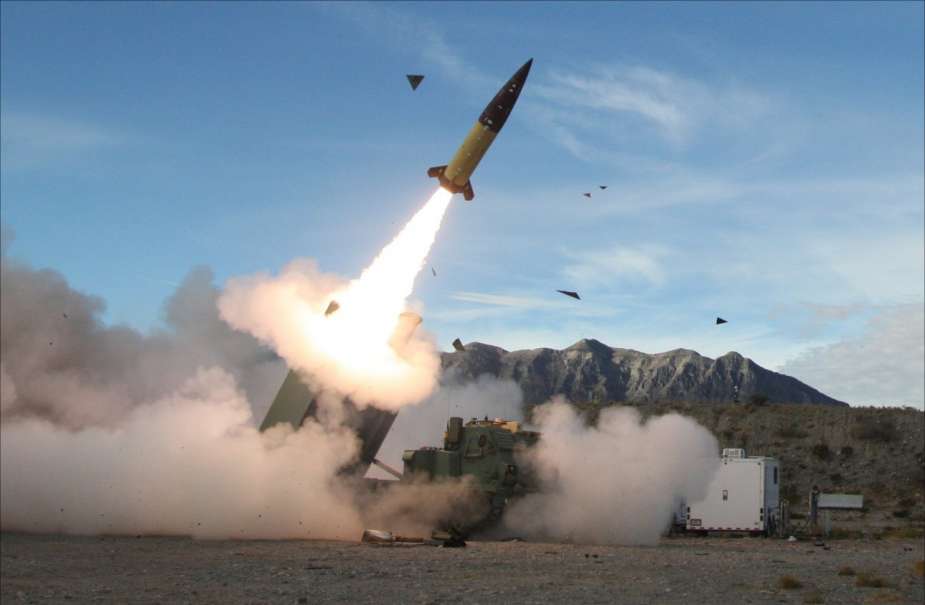
More important than Chancellor Scholz’s unsurprising, repeated “no” on the delivery of Taurus cruise missiles to Ukraine is the question of whether the approved U.S. weapons will arrive at the Ukrainian front in time.
It was clear that the announcement of a U.S. delivery of Army Tactical Missile System missiles to Ukraine would be followed by a demand that Germany send the invaded country Taurus cruise missiles; just as obvious was that Chancellor Olaf Scholz would say no. And no matter how unconvincing his arguments may be, it’s not important to reignite that debate.
For one, Ukraine can use the U.S. missiles to attack Russian supply lines as it has wanted to do and does not necessarily need more ammunition of the same sort right now. Instead, the more decisive point is whether the approved U.S. weapons arrive at the Ukrainian front in time to stabilize the situation there. Only then can the Ukrainians fend off the spring offensive that Vladimir Putin’s army is expected to launch. Even so, Kyiv is still far from launching its own offensive, as it did about a year ago.
In addition, there is little hope that this bloody war of attrition will end anytime soon. Thanks to Chinese support, Putin’s regime wrongly believes itself to be on the road to victory and is counting on Donald Trump being reelected as U.S. president in November. At present, no one is expecting a breakthrough to come at the peace conference scheduled to take place in Switzerland, either.
It was clear that the announcement of a U.S. delivery of Army Tactical Missile System missiles to Ukraine would be followed by a demand that Germany send the invaded country Taurus cruise missiles; just as obvious was that Chancellor Olaf Scholz would say no. And no matter how unconvincing his arguments may be, it’s not important to reignite that debate.
For one, Ukraine can use the U.S. missiles to attack Russian supply lines as it has wanted to do and does not necessarily need more ammunition of the same sort right now. Instead, the more decisive point is whether the approved U.S. weapons arrive at the Ukrainian front in time to stabilize the situation there. Only then can the Ukrainians fend off the spring offensive that Vladimir Putin’s army is expected to launch. Even so, Kyiv is still far from launching its own offensive, as it did about a year ago.
In addition, there is little hope that this bloody war of attrition will end anytime soon. Thanks to Chinese support, Putin’s regime wrongly believes itself to be on the road to victory and is counting on Donald Trump being reelected as U.S. president in November. At present, no one is expecting a breakthrough to come at the peace conference scheduled to take place in Switzerland, either.
Previous article

Next article