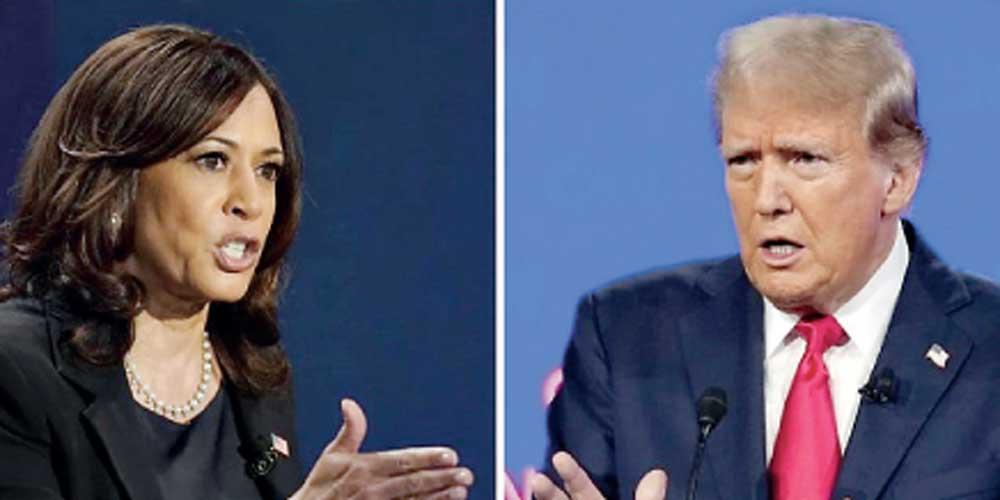
Democratic President Joe Biden withdrew his bid as a candidate in the upcoming presidential election after pressure from party decision-makers. The Democrats are seeking support for Vice President Kamala Harris as the candidate, but there is a sense of discomfort at the “Biden's removal.”
The pressure for Biden to drop out of the race erupted after his lackluster debate performance. In an editorial, The New York Times, which is known to for its pro-Democratic stance, demanded his withdrawal. One after another, party officials made their demands for withdrawal public.
There was concern that Biden would be defeated by former President Donald Trump, the Republican candidate, and that at the same time, the Democrats would be at a disadvantage in the elections in both houses of Congress. The withdrawal debate swept throughout Washington.
However, there were no frequent demonstrations of party members and the general electorate calling for Biden to drop out. Biden himself strongly refused, claiming that “elites in the party” were trying to drag him down. He had earned the presidential candidacy bid by winning over 14 million votes in the primaries.
There was no discussion or reporting of how to respect the voting results, and reporters were caught up in the party members' drive to pressure Biden out of the race. Trump turned the tables on his opponents, using the lack of respect for the voters' decision to criticize the Democrats as a “threat to democracy.”
When a reporter confronted Democratic supporters about the discomfort over Biden's withdrawal, the respondent held his head and said, “It's hard to explain.”


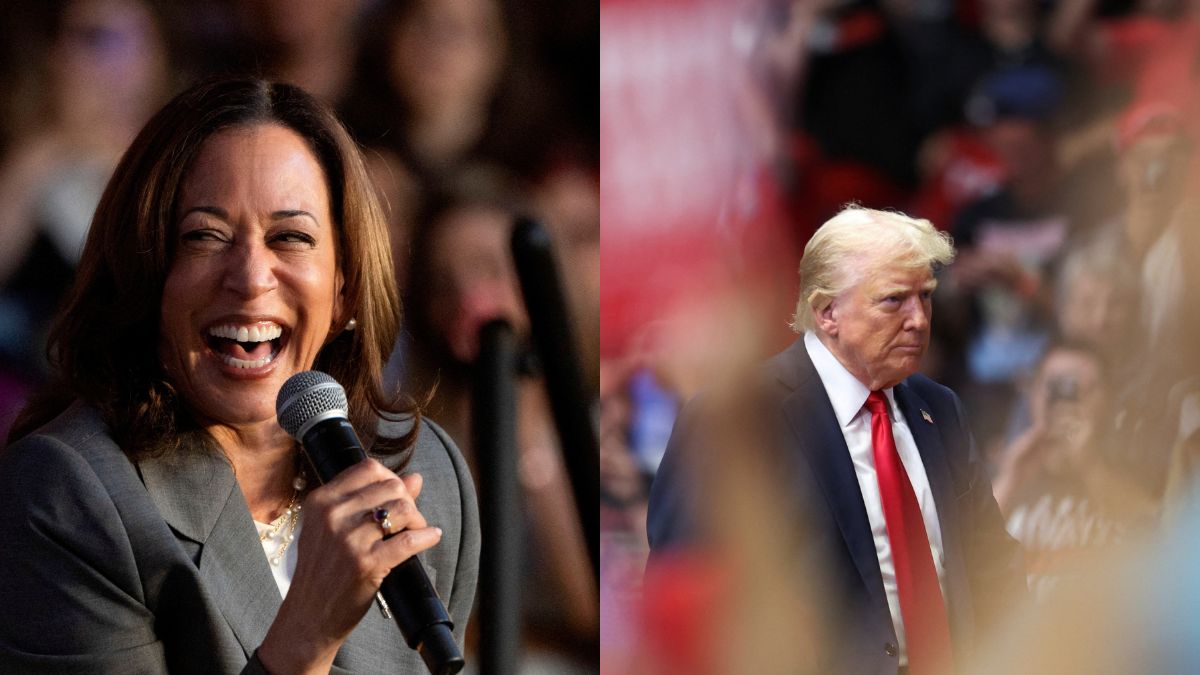 "Trump in Trouble after Biden’s Sacrifice and Kamala Harris’ Surge")