
It’s Not Europe’s Fault
Published in Frankfurter Allgemeine Zeitung
(Germany) on 31 August 2025
by Nikolas Busse (link to
original)
Apparently, the White House is accusing certain Europeans of frustrating U.S. efforts to broker peace in Ukraine. Another actor is putting spokes in Trump’s wheel.
You can see one consequence of Donald Trump’s efforts to end the war in Ukraine in far-off but geopolitically important Asia. At a summit meeting in Tianjin, China, Indian Prime Minister Narendra Modi met with Chinese head of state and Communist Party leader Xi Jinping. Modi will also meet with Russian President Vladimir Putin there.
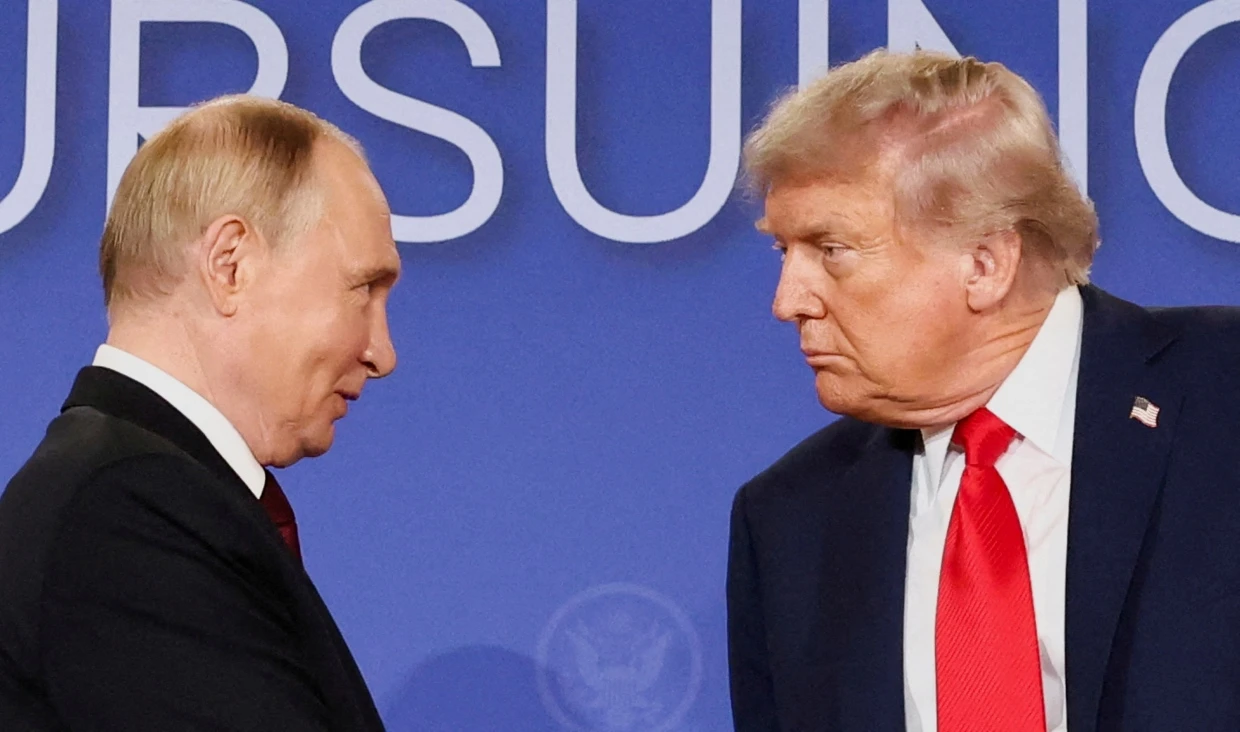
You should not overrate such encounters. However, Modi’s meeting with Xi in particular represents a side effect of Trump’s secondary sanctions that can’t actually be the United States’ interest. India is moving closer to China instead of serving as a counterweight to Beijing. For Putin, too, things are going well right now. Trump literally rolled out the red carpet for him without noticeably weakening Russia’s alliance with China
Increase Pressure on Russia
At the same time, Washington is apparently trying to blame the Europeans for the president’s failure to broker peace. At least unnamed officials in the White House are letting themselves be quoted saying that since the summit in Alaska, some Europeans have been quietly trying to thwart Trump’s diplomacy.
It is undeniable that many in Europe do not want to appease Putin as much as Trump does. But the crux of the matter is something else. Putin is the one who, above all, is putting spokes in Trump’s wheel by continuing Russia’s war of aggression and its policy of maximum demands. The fact that the White House is in denial about that shows how superficially the U.S. administration is currently thinking. Giving Russia a strategic gift can’t be in America’s interest either.
In any case, the Europeans should themselves do more to increase pressure on Russia. The next sanctions package is more important here than the recurrent, difficult debate over confiscating Russian assets abroad. Putin has not been able to access this money for some time. Now, he needs to increase his operating costs.
You can see one consequence of Donald Trump’s efforts to end the war in Ukraine in far-off but geopolitically important Asia. At a summit meeting in Tianjin, China, Indian Prime Minister Narendra Modi met with Chinese head of state and Communist Party leader Xi Jinping. Modi will also meet with Russian President Vladimir Putin there.
You should not overrate such encounters. However, Modi’s meeting with Xi in particular represents a side effect of Trump’s secondary sanctions that can’t actually be the United States’ interest. India is moving closer to China instead of serving as a counterweight to Beijing. For Putin, too, things are going well right now. Trump literally rolled out the red carpet for him without noticeably weakening Russia’s alliance with China
Increase Pressure on Russia
At the same time, Washington is apparently trying to blame the Europeans for the president’s failure to broker peace. At least unnamed officials in the White House are letting themselves be quoted saying that since the summit in Alaska, some Europeans have been quietly trying to thwart Trump’s diplomacy.
It is undeniable that many in Europe do not want to appease Putin as much as Trump does. But the crux of the matter is something else. Putin is the one who, above all, is putting spokes in Trump’s wheel by continuing Russia’s war of aggression and its policy of maximum demands. The fact that the White House is in denial about that shows how superficially the U.S. administration is currently thinking. Giving Russia a strategic gift can’t be in America’s interest either.
In any case, the Europeans should themselves do more to increase pressure on Russia. The next sanctions package is more important here than the recurrent, difficult debate over confiscating Russian assets abroad. Putin has not been able to access this money for some time. Now, he needs to increase his operating costs.
Previous article

Next article