The Cruel Iranian Regime
Nobel Prize winner Narges Mohammadi, jailed and seriously ill, is a symbol of the repression of a dictatorship strengthened by the war with Trump
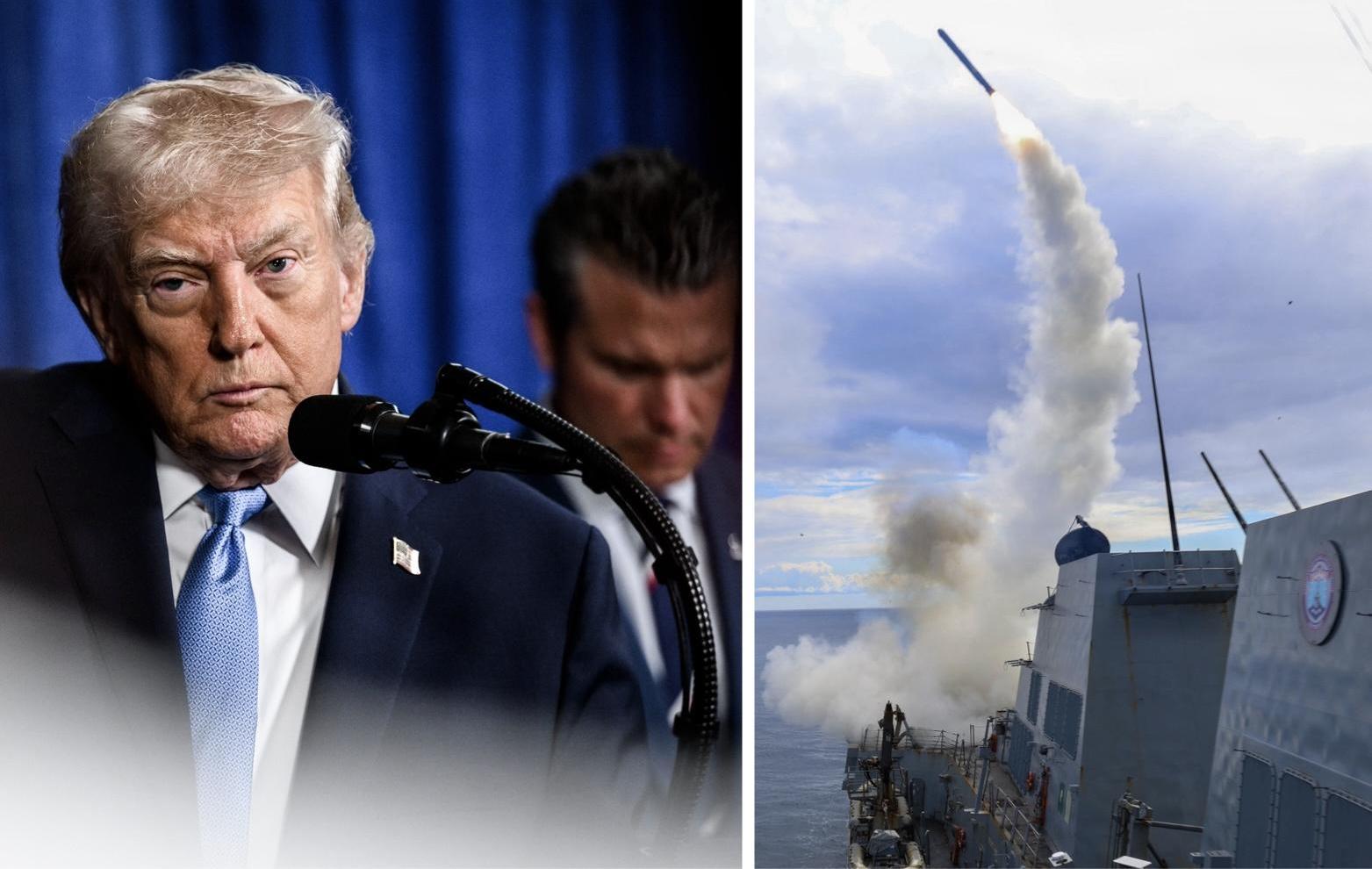
The war with the U.S. and Israel and the fragile ceasefire haven't put a stop to the violence the Tehran regime directs toward its own people. Far from it. After the security forces killed thousands of protesters during the January uprising, the frequency of executions by hanging has increased. Among the victims of the repressive system is Nobel Peace Prize winner Narges Mohammadi, jailed six months ago and in a critical state of health. Mohammadi is a symbol of the courageous fight for democracy in a country crushed by a theocratic dictatorship since 1979. Her case is yet another example of the cruelty of a leadership that is impervious to diplomatic pressure. The position of the regime has been strengthened since Donald Trump’s military intervention.
Mohammadi, 53, is in a coma in a hospital bed more than 300 kilometers (about 186 miles) from Tehran after having suffered a heart attack in prison and being denied the cardiac treatment she needed. The human rights activist has not even received the hospital care she needs. Her family describes her treatment as “a deliberate form of torture.” The dissident was detained in December for the fourteenth time in 10 years, most of which have been spent in different prisons all over the country. This was the last time her family received news of her. She has already been convicted on numerous occasions by the Islamic courts. She was last convicted in February and was sentenced to 18 years in prison for alleged activities against the Islamic Republic.
International initiatives have done little to help Mohammadi, including the meeting on Thursday in Madrid when the Spanish foreign minister summoned Iranian ambassador Reza Zabib to ask for the “immediate liberation” of the Nobel Peace Prize winner. Since the beginning, Spain has been one of the European countries most critical of the military intervention of the U.S. and Israel in Iran. Relations with Washington have deteriorated because of these criticisms. At the same time, Tehran has praised Pedro Sanchez’s government for saying no to the war, something that Spain has found uncomfortable. The reality is that Spain is currently one of the Western democracies with channels of communication with Tehran, and should make the most of this. However, so far, efforts have been in vain, and the regime has been deaf to any humanitarian call that has anything to do with its treatment of people who oppose it.
Mohammadi’s desperate situation is just the latest known episode in the worsening repression. According to the U.N. High Commissioner for Human Rights, since Feb. 28, the date of the start of hostilities, more than 4,000 people have been arbitrarily detained. At least another 21 have been executed. Political trials that could result in the death penalty for the accused have been speeded up. Iran has taken advantage of the war to categorize any protest against the government as collaboration with the enemy. Trump encouraged the protests in January and promised help but then left the protesters high and dry. Bombs have not brought democracy. The price of flippancy in the White House and the criminal intransigence of the Tehran regime is being paid by the Iranians who, after nearly half a century of cruel dictatorship, deserve to be free.
The war with the U.S. and Israel and the fragile ceasefire haven't put a stop to the violence the Tehran regime directs toward its own people. Far from it. After the security forces killed thousands of protesters during the January uprising, the frequency of executions by hanging has increased. Among the victims of the repressive system is Nobel Peace Prize winner Narges Mohammadi, jailed six months ago and in a critical state of health. Mohammadi is a symbol of the courageous fight for democracy in a country crushed by a theocratic dictatorship since 1979. Her case is yet another example of the cruelty of a leadership that is impervious to diplomatic pressure. The position of the regime has been strengthened since Donald Trump’s military intervention.
Mohammadi, 53, is in a coma in a hospital bed more than 300 kilometers (about 186 miles) from Tehran after having suffered a heart attack in prison and being denied the cardiac treatment she needed. The human rights activist has not even received the hospital care she needs. Her family describes her treatment as “a deliberate form of torture.” The dissident was detained in December for the fourteenth time in 10 years, most of which have been spent in different prisons all over the country. This was the last time her family received news of her. She has already been convicted on numerous occasions by the Islamic courts. She was last convicted in February and was sentenced to 18 years in prison for alleged activities against the Islamic Republic.
International initiatives have done little to help Mohammadi, including the meeting on Thursday in Madrid when the Spanish foreign minister summoned Iranian ambassador Reza Zabib to ask for the “immediate liberation” of the Nobel Peace Prize winner. Since the beginning, Spain has been one of the European countries most critical of the military intervention of the U.S. and Israel in Iran. Relations with Washington have deteriorated because of these criticisms. At the same time, Tehran has praised Pedro Sanchez’s government for saying no to the war, something that Spain has found uncomfortable. The reality is that Spain is currently one of the Western democracies with channels of communication with Tehran, and should make the most of this. However, so far, efforts have been in vain, and the regime has been deaf to any humanitarian call that has anything to do with its treatment of people who oppose it.
Mohammadi’s desperate situation is just the latest known episode in the worsening repression. According to the U.N. High Commissioner for Human Rights, since Feb. 28, the date of the start of hostilities, more than 4,000 people have been arbitrarily detained. At least another 21 have been executed. Political trials that could result in the death penalty for the accused have been speeded up. Iran has taken advantage of the war to categorize any protest against the government as collaboration with the enemy. Trump encouraged the protests in January and promised help but then left the protesters high and dry. Bombs have not brought democracy. The price of flippancy in the White House and the criminal intransigence of the Tehran regime is being paid by the Iranians who, after nearly half a century of cruel dictatorship, deserve to be free.
Previous article

Next article