

Vox Populi Is Not Vox Dei: Democracy Is Mortal and Requires Active Defense*
Anti-EU and anti-democratic attitudes not only are welcomed by the Kremlin, but have also found an ally in Donald Trump, who is hostile to the European Union. This means that European democracy faces a serious threat.
In today’s Europe, democracy and European solidarity are on the defensive, while populism and anti-European sentiment are on the offensive. This reflects the composition of the European Parliament elected in 2024.
While the pro-European groups — European People's Party, together with the socialists and liberals — hold the majority (401 out of 720 seats), the right-wing bloc has expanded, incorporating new far-right groups, such as Patriots for Europe and Europe of Sovereign Nations. They are now competing with the Conservatives and Reformists (including Poland's Law and Justice Party) in anti-EU rhetoric.
Meanwhile, the radicalization of the weakened left on cultural issues, such as LGBTQ+ matters promoted by the EU, adds political fuel for the right.
The right, whether in government (Viktor Orbán until April 12, 2026) or in opposition (PiS or Alternative for Germany), seamlessly combines attacks on the EU with a lack of respect for the rule of law and other values that form the essence of democracy. By attacking the foundations on which the European community rests, it becomes an ally of the Kremlin — especially dangerous in the era of Donald Trump, the first U.S. president to openly wish the European Union ill.
Democracy in the Era of Hybrid Warfare
Anti-European populism rejects the lessons of the 20th century that inspired the historical mission of Jean Monnet and Robert Schuman: the gradual creation of shared interest through the European Coal and Steel Community, the precursor to today's European Union. The vision of the founding fathers also guided the EU's eastern enlargement, including Poland's accession. Today's map of Europe is bittersweet. Democracy prevailed in Poland (in 2023), Hungary, and Romania, but not in Slovakia, the Czech Republic, or more recently Bulgaria and Poland's presidential elections. Polls in France present a troubling outlook.
There are many reasons for anti-European and anti-democratic populism. Writing in this publication (May 19, 2026), Tomasz Markiewka blames the information chaos generated by digital platforms, citing the European Commission's report "Fractured Reality." Democracy can withstand disagreements over values, but it cannot survive when people live in separate realities and can no longer agree on basic facts. The internet favors simple and emotional content rather than reasoned arguments, turning modern elections into spectacles that fail to address real challenges.
Even worse, alongside domestic populism, European elections are increasingly vulnerable to foreign manipulation (Foreign Information and Manipulation Interference). The enemies of democracy have become more adept at exploiting new communication technologies. Russia is the principal source of these cyber threats. The Kremlin's organized hybrid warfare arsenal includes not only fake news but also actual attacks on infrastructure and real financial support for anti-EU politicians, including in Poland.
Excessive Regulation Fueled Anti-EU Sentiment
On one point, I agree with critics of the European Union: the problem of overregulation. The issue became particularly pronounced under the Green Deal, the flagship initiative of Ursula von der Leyen's first term as European Commission president. It continues to fuel anti-EU sentiment in countries lagging in the transition to cleaner energy, such as Poland, even though the Green Deal has already undergone significant revisions aimed at addressing concerns about Europe's competitiveness. Deregulation and simplification are now priorities in Brussels, but the temptation to regulate remains strong.
Migration has become a political gift to populists, particularly after the Syrian refugee crisis of 2015. It poses challenges to European cultural norms, and Islamist terrorist attacks in Paris (2015) and Brussels (2016) permanently linked migration with terrorism in the public imagination. I have seen these concerns firsthand while working in Brussels where police have often been reluctant to enter certain neighborhoods.
Identity and sovereignty themes are increasingly emphasized in anti-EU and anti-democratic propaganda.
Anti-EU and nationalist movements increasingly frame politics as a defense of tradition, national sovereignty, and cultural identity against what they portray as a decadent West eroding traditional values.
Yet, much of this rhetoric is selective. For example, few of these self-described conservatives object to the relationship between Alice Weidel, leader of the AfD, and her Sri Lankan partner. Likewise, anti-EU gatherings such as the Conservative Political Action Conference bring together Poland's religious right with parties from Germany, the Netherlands, Sweden and France that are strong advocates of secular government. Despite their differences, they are united by a common adversary: the European Union.
Anti-EU Attitudes Please Both Putin and Trump
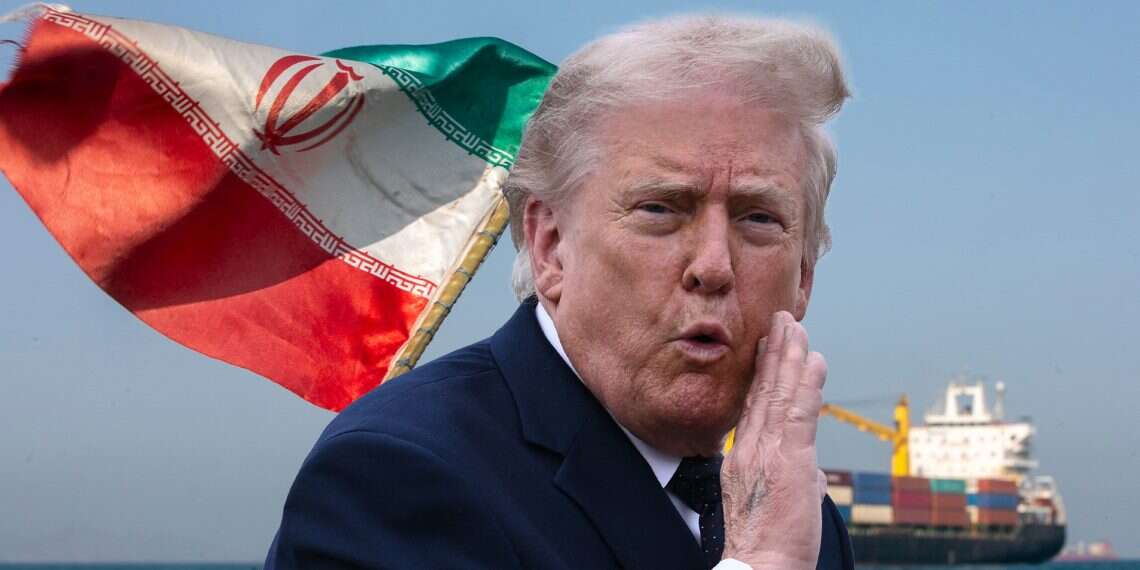
Now that war has returned to Europe, security has become the public's top concern. Increasingly, voters judge governments by their ability to address fears about safety and stability. When Iran launched missiles at Cyprus in March, security became a shared concern for both Eastern and Southern Europe. This dynamic often benefits populist politicians. In times of uncertainty, many voters are drawn less to coalition governments and political compromise than to leaders who project strength and decisiveness. This helps explain support for Karol Nawrocki, who campaigned from the gym. Here lies another paradox: As commander in chief, he vetoed the Security Action For Europe program, effectively attempting to weaken Poland’s defense capabilities — fortunately without success.
Anti-EU and anti-democratic attitudes are encouraged not only by the Kremlin but also have found an ally in Trump, who has often been hostile to the European Union. As a result, European democracy faces a serious threat.
European leaders have recognized the threat. In May 2024, the European Commission introduced the European Democracy Shield, designed to strengthen democratic institutions against foreign interference and disinformation.
To address manipulation on major digital platforms — most of them U.S.-based — the EU has adopted measures such as the Digital Services Act and the Artificial Intelligence Act. It has also enacted rules designed to protect media freedom and ensure fair political campaigns.
The issue has also gained support among EU governments. On May 27, 2025, under Poland's rotating presidency of the Council of the European Union, 25 member states backed conclusions calling for stronger "democratic resilience" across the bloc, although unanimous support proved impossible.
The European Parliament also established the Special Committee on the European Democracy Shield on Dec. 18, 2024, whose mandate has since been extended through Feb. 3, 2027.
More Funding for NGOs
There is no shortage of initiatives, resolutions and legislation aimed at defending democracy in the EU.
What is missing is effectiveness. Governments and EU institutions cannot replace grassroots engagement by civil society organizations, which are often better positioned to reach citizens and win their trust. The real challenge is engaging younger voters. In Poland, many have been drawn to right-wing and anti-establishment messages, even though some of the policies promoted by Confederation presidential candidate Sławomir Mentzen would undermine the country's long-term interests and jeopardize its future in Europe.
The importance of civil society organizations is a recurring theme in seminars and political discussions. The same conclusion emerged during a discussion held in the European Parliament on May 12, 2026, featuring my Hungarian colleague MEP Eszter Lakos and Wojciech Przybylski, president of the Res Publica Foundation and editor-in-chief of Visegrad Insight.
The obvious conclusion is that nongovernmental organizations need adequate funding. The weaker democracy is in a given country, the more valuable support from the European Union becomes. The outlook for the EU’s 2028–34 budget is relatively encouraging. The European Commission has proposed a new program, AgoraEU, that would build on the experience of existing initiatives such as Creative Europe and the Citizens, Equality, Rights and Values program. I helped develop the latter together with Michał Boni. The proposal would consolidate EU support for NGOs under a single funding mechanism.
The Commission argues that this would provide greater flexibility, though it would also give Brussels more discretion and make funding less predictable for recipients. At the same time, proposed funding would rise to €8.6 billion in current prices — a 36% increase over the resources available during the 2021–27 budget cycle. Whether that increase survives the final negotiations remains an open question.
No amount of money and no EU initiative can save democracy if democratic values fail to take root among younger generations. For many young Europeans, a democratic and borderless Europe is simply part of everyday life — and therefore easy to take for granted. Only those who lose it will truly understand how precious it is.
*Editor's note: This article is available in its original Polish througha paid subscription.
In today’s Europe, democracy and European solidarity are on the defensive, while populism and anti-European sentiment are on the offensive. This reflects the composition of the European Parliament elected in 2024.
While the pro-European groups — European People's Party, together with the socialists and liberals — hold the majority (401 out of 720 seats), the right-wing bloc has expanded, incorporating new far-right groups, such as Patriots for Europe and Europe of Sovereign Nations. They are now competing with the Conservatives and Reformists (including Poland's Law and Justice Party) in anti-EU rhetoric.
Meanwhile, the radicalization of the weakened left on cultural issues, such as LGBTQ+ matters promoted by the EU, adds political fuel for the right.
The right, whether in government (Viktor Orbán until April 12, 2026) or in opposition (PiS or Alternative for Germany), seamlessly combines attacks on the EU with a lack of respect for the rule of law and other values that form the essence of democracy. By attacking the foundations on which the European community rests, it becomes an ally of the Kremlin — especially dangerous in the era of Donald Trump, the first U.S. president to openly wish the European Union ill.
Democracy in the Era of Hybrid Warfare
Anti-European populism rejects the lessons of the 20th century that inspired the historical mission of Jean Monnet and Robert Schuman: the gradual creation of shared interest through the European Coal and Steel Community, the precursor to today's European Union. The vision of the founding fathers also guided the EU's eastern enlargement, including Poland's accession. Today's map of Europe is bittersweet. Democracy prevailed in Poland (in 2023), Hungary, and Romania, but not in Slovakia, the Czech Republic, or more recently Bulgaria and Poland's presidential elections. Polls in France present a troubling outlook.
There are many reasons for anti-European and anti-democratic populism. Writing in this publication (May 19, 2026), Tomasz Markiewka blames the information chaos generated by digital platforms, citing the European Commission's report "Fractured Reality." Democracy can withstand disagreements over values, but it cannot survive when people live in separate realities and can no longer agree on basic facts. The internet favors simple and emotional content rather than reasoned arguments, turning modern elections into spectacles that fail to address real challenges.
Even worse, alongside domestic populism, European elections are increasingly vulnerable to foreign manipulation (Foreign Information and Manipulation Interference). The enemies of democracy have become more adept at exploiting new communication technologies. Russia is the principal source of these cyber threats. The Kremlin's organized hybrid warfare arsenal includes not only fake news but also actual attacks on infrastructure and real financial support for anti-EU politicians, including in Poland.
Excessive Regulation Fueled Anti-EU Sentiment
On one point, I agree with critics of the European Union: the problem of overregulation. The issue became particularly pronounced under the Green Deal, the flagship initiative of Ursula von der Leyen's first term as European Commission president. It continues to fuel anti-EU sentiment in countries lagging in the transition to cleaner energy, such as Poland, even though the Green Deal has already undergone significant revisions aimed at addressing concerns about Europe's competitiveness. Deregulation and simplification are now priorities in Brussels, but the temptation to regulate remains strong.
Migration has become a political gift to populists, particularly after the Syrian refugee crisis of 2015. It poses challenges to European cultural norms, and Islamist terrorist attacks in Paris (2015) and Brussels (2016) permanently linked migration with terrorism in the public imagination. I have seen these concerns firsthand while working in Brussels where police have often been reluctant to enter certain neighborhoods.
Identity and sovereignty themes are increasingly emphasized in anti-EU and anti-democratic propaganda.
Anti-EU and nationalist movements increasingly frame politics as a defense of tradition, national sovereignty, and cultural identity against what they portray as a decadent West eroding traditional values.
Yet, much of this rhetoric is selective. For example, few of these self-described conservatives object to the relationship between Alice Weidel, leader of the AfD, and her Sri Lankan partner. Likewise, anti-EU gatherings such as the Conservative Political Action Conference bring together Poland's religious right with parties from Germany, the Netherlands, Sweden and France that are strong advocates of secular government. Despite their differences, they are united by a common adversary: the European Union.
Anti-EU Attitudes Please Both Putin and Trump
Now that war has returned to Europe, security has become the public's top concern. Increasingly, voters judge governments by their ability to address fears about safety and stability. When Iran launched missiles at Cyprus in March, security became a shared concern for both Eastern and Southern Europe. This dynamic often benefits populist politicians. In times of uncertainty, many voters are drawn less to coalition governments and political compromise than to leaders who project strength and decisiveness. This helps explain support for Karol Nawrocki, who campaigned from the gym. Here lies another paradox: As commander in chief, he vetoed the Security Action For Europe program, effectively attempting to weaken Poland’s defense capabilities — fortunately without success.
Anti-EU and anti-democratic attitudes are encouraged not only by the Kremlin but also have found an ally in Trump, who has often been hostile to the European Union. As a result, European democracy faces a serious threat.
European leaders have recognized the threat. In May 2024, the European Commission introduced the European Democracy Shield, designed to strengthen democratic institutions against foreign interference and disinformation.
To address manipulation on major digital platforms — most of them U.S.-based — the EU has adopted measures such as the Digital Services Act and the Artificial Intelligence Act. It has also enacted rules designed to protect media freedom and ensure fair political campaigns.
The issue has also gained support among EU governments. On May 27, 2025, under Poland's rotating presidency of the Council of the European Union, 25 member states backed conclusions calling for stronger "democratic resilience" across the bloc, although unanimous support proved impossible.
The European Parliament also established the Special Committee on the European Democracy Shield on Dec. 18, 2024, whose mandate has since been extended through Feb. 3, 2027.
More Funding for NGOs
There is no shortage of initiatives, resolutions and legislation aimed at defending democracy in the EU.
What is missing is effectiveness. Governments and EU institutions cannot replace grassroots engagement by civil society organizations, which are often better positioned to reach citizens and win their trust. The real challenge is engaging younger voters. In Poland, many have been drawn to right-wing and anti-establishment messages, even though some of the policies promoted by Confederation presidential candidate Sławomir Mentzen would undermine the country's long-term interests and jeopardize its future in Europe.
The importance of civil society organizations is a recurring theme in seminars and political discussions. The same conclusion emerged during a discussion held in the European Parliament on May 12, 2026, featuring my Hungarian colleague MEP Eszter Lakos and Wojciech Przybylski, president of the Res Publica Foundation and editor-in-chief of Visegrad Insight.
The obvious conclusion is that nongovernmental organizations need adequate funding. The weaker democracy is in a given country, the more valuable support from the European Union becomes. The outlook for the EU’s 2028–34 budget is relatively encouraging. The European Commission has proposed a new program, AgoraEU, that would build on the experience of existing initiatives such as Creative Europe and the Citizens, Equality, Rights and Values program. I helped develop the latter together with Michał Boni. The proposal would consolidate EU support for NGOs under a single funding mechanism.
The Commission argues that this would provide greater flexibility, though it would also give Brussels more discretion and make funding less predictable for recipients. At the same time, proposed funding would rise to €8.6 billion in current prices — a 36% increase over the resources available during the 2021–27 budget cycle. Whether that increase survives the final negotiations remains an open question.
No amount of money and no EU initiative can save democracy if democratic values fail to take root among younger generations. For many young Europeans, a democratic and borderless Europe is simply part of everyday life — and therefore easy to take for granted. Only those who lose it will truly understand how precious it is.
*Editor's note: This article is available in its original Polish througha paid subscription.
Previous article
Next article
