
The ‘Radical Right’ and Trumpist Neo-McCarthyism
In the academic literature of the far right, the precise definition of the term remains a matter of debate, and studies of the subject are beset by the same difficulties as those of fascism: the absence of a consensual definition of the phenomenon and a lack of agreement on its defining features. As with fascism, scholars often cannot agree on the basic concepts, emphasizing some characteristics while overlooking others, although nationalism, racism, xenophobia and hostility toward parliamentary democracy typically emerge as central elements.
There is not even consensus over which term to use, with different authors referring to the “extreme,” “radical,” or “ultra” right — or using these terms interchangeably — and either advocating, or not, a distinction between the more traditional far right and its more recent mutations. One of the long-standing contributors to this debate, who addressed the subject from the 1950s through the early 2000s, was Daniel Bell (1919–2011), one of the most influential sociologists and public intellectuals in the United States. Bell set out to provide an in-depth analysis of what he called the American “radical right,” which historically brought together a constellation of pressure groups, ideological networks, and mass movements defined — according to him and some of his collaborators, such as Richard Hofstadter, Seymour Martin Lipset and David Plotke — not so much by party acronyms as by a highly specific sociological, psychological, and economic profile.
According to Bell, the two fundamental characteristics of this right were its exaggerated emphasis on the “communist threat” — both domestic and international — and its unrealistic rejection of the New Deal reforms (see: “The Radical Right,” 2001, p. 606). Although this radical right did not encompass the Republican Party as such, it did describe a radicalized, insurgent and extremist faction operating both within and on the fringes of the party, one that felt especially frustrated when the GOP was out of power or under the control of the moderate establishment. Through a long process of divisions and ruptures, and by taking advantage of an organizational vacuum in collaboration with business elites — as Paul Heideman masterfully demonstrates in his recent study — this faction, or these factions, radicalized and transformed the GOP. This coincided with the broader decline in political participation and the “hollowing out” of parties, ultimately giving rise to Donald Trump (see: “Rogue Elephant: How Republicans Went from the Party of Business to the Party of Chaos,” 2025, p. 320).
The economic policies of these groups were never especially original. Indeed, Bell argued that their rise should be understood less as a straightforward product of economic conflict than as a response to social dislocation and anxiety over status. Their defining feature, however, was an obsessive, dogmatic, paranoid and conspiratorial hunt for the “communist enemies of the nation” and/or the “cosmopolitan intellectuals working against it.”* This reached its peak in Sen. Joseph McCarthy’s “witch hunt” of the 1950s when McCarthyism itself became a genuine mass movement, and it remained highly characteristic of the American radical right in all its various incarnations.
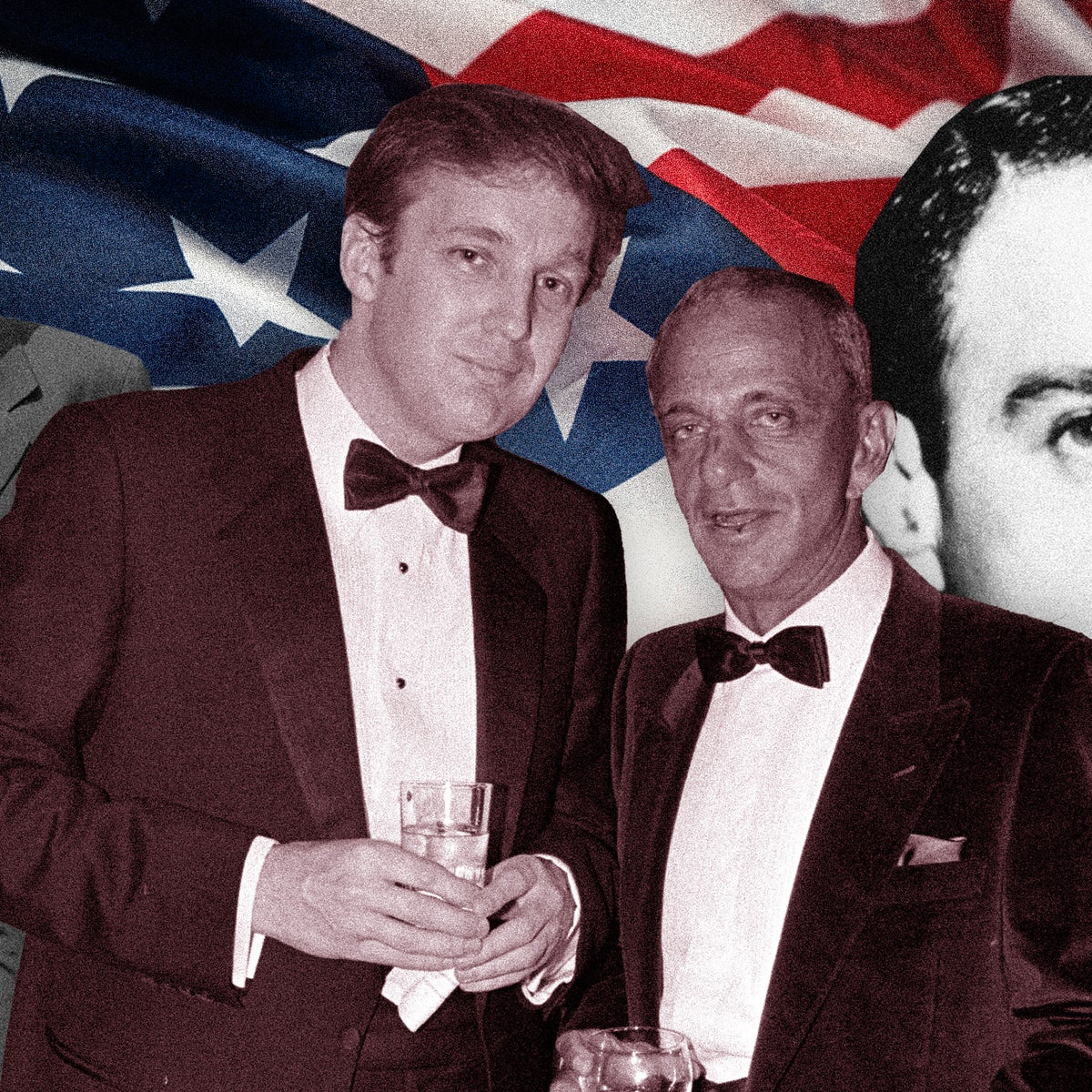
The fact that the Trump administration, faced with mounting opposition to its domestic and foreign policies, is now, just over a year and a half after taking power for a second time, openly entering its “neo-McCarthyist” phase of frantically manufacturing and persecuting “enemies” — “socialists,” “communists,” journalists, intellectuals, and so on — offers a valuable opportunity to refocus the analysis and properly situate Trumpism within the genealogy of the American radical right described by Bell, rather than viewing it through more dramatic and politically or media-friendly frameworks such as “fascism.” Trump’s organic link to McCarthyism could hardly be more obvious or direct: Roy Cohn (1927–1986), the chief legal counsel whom Joseph McCarthy hired for the House Committee on un-American Activities and the Senate Permanent Subcommittee on Investigations — and who helped send Julius and Ethel Rosenberg to the electric chair — served as the lawyer, “fixer” and mentor who trained the young future president in New York in the 1970s.
As Cohn’s biographers clearly show, it was Cohn who taught Trump that “facts could always be drowned out by strident counterarguments,” that “the fireworks of publicity were more important than the law,” and that “one should always avoid leaving a paper trail.”* These were techniques of business and power drawn directly from the world of New York real estate, not, for example, from the history of fascism. They were also always steeped in McCarthyite anticommunism — rather than in the Central European fascism of the interwar period — which was the only political education and understanding of public discourse that Trump, thanks to Cohn, ever absorbed, however rudimentary it may have been.
Although Heideman’s perspective is itself a corrective to Bell’s — Bell saw the radicalization of the American right as “a psychopathological outbreak” dependent on political cycles and modern change, whereas it was instead a deeper institutional transformation and the future of U.S. politics — read together, the two approaches allow us to properly historicize Trumpism and avoid the dead ends so common today in the field of studies of the right.
*Editor's note: These quotes, accurately translated, could not be independently verified
There is not even consensus over which term to use, with different authors referring to the “extreme,” “radical,” or “ultra” right — or using these terms interchangeably — and either advocating, or not, a distinction between the more traditional far right and its more recent mutations. One of the long-standing contributors to this debate, who addressed the subject from the 1950s through the early 2000s, was Daniel Bell (1919–2011), one of the most influential sociologists and public intellectuals in the United States. Bell set out to provide an in-depth analysis of what he called the American “radical right,” which historically brought together a constellation of pressure groups, ideological networks, and mass movements defined — according to him and some of his collaborators, such as Richard Hofstadter, Seymour Martin Lipset and David Plotke — not so much by party acronyms as by a highly specific sociological, psychological, and economic profile.
According to Bell, the two fundamental characteristics of this right were its exaggerated emphasis on the “communist threat” — both domestic and international — and its unrealistic rejection of the New Deal reforms (see: “The Radical Right,” 2001, p. 606). Although this radical right did not encompass the Republican Party as such, it did describe a radicalized, insurgent and extremist faction operating both within and on the fringes of the party, one that felt especially frustrated when the GOP was out of power or under the control of the moderate establishment. Through a long process of divisions and ruptures, and by taking advantage of an organizational vacuum in collaboration with business elites — as Paul Heideman masterfully demonstrates in his recent study — this faction, or these factions, radicalized and transformed the GOP. This coincided with the broader decline in political participation and the “hollowing out” of parties, ultimately giving rise to Donald Trump (see: “Rogue Elephant: How Republicans Went from the Party of Business to the Party of Chaos,” 2025, p. 320).
The economic policies of these groups were never especially original. Indeed, Bell argued that their rise should be understood less as a straightforward product of economic conflict than as a response to social dislocation and anxiety over status. Their defining feature, however, was an obsessive, dogmatic, paranoid and conspiratorial hunt for the “communist enemies of the nation” and/or the “cosmopolitan intellectuals working against it.”* This reached its peak in Sen. Joseph McCarthy’s “witch hunt” of the 1950s when McCarthyism itself became a genuine mass movement, and it remained highly characteristic of the American radical right in all its various incarnations.
The fact that the Trump administration, faced with mounting opposition to its domestic and foreign policies, is now, just over a year and a half after taking power for a second time, openly entering its “neo-McCarthyist” phase of frantically manufacturing and persecuting “enemies” — “socialists,” “communists,” journalists, intellectuals, and so on — offers a valuable opportunity to refocus the analysis and properly situate Trumpism within the genealogy of the American radical right described by Bell, rather than viewing it through more dramatic and politically or media-friendly frameworks such as “fascism.” Trump’s organic link to McCarthyism could hardly be more obvious or direct: Roy Cohn (1927–1986), the chief legal counsel whom Joseph McCarthy hired for the House Committee on un-American Activities and the Senate Permanent Subcommittee on Investigations — and who helped send Julius and Ethel Rosenberg to the electric chair — served as the lawyer, “fixer” and mentor who trained the young future president in New York in the 1970s.
As Cohn’s biographers clearly show, it was Cohn who taught Trump that “facts could always be drowned out by strident counterarguments,” that “the fireworks of publicity were more important than the law,” and that “one should always avoid leaving a paper trail.”* These were techniques of business and power drawn directly from the world of New York real estate, not, for example, from the history of fascism. They were also always steeped in McCarthyite anticommunism — rather than in the Central European fascism of the interwar period — which was the only political education and understanding of public discourse that Trump, thanks to Cohn, ever absorbed, however rudimentary it may have been.
Although Heideman’s perspective is itself a corrective to Bell’s — Bell saw the radicalization of the American right as “a psychopathological outbreak” dependent on political cycles and modern change, whereas it was instead a deeper institutional transformation and the future of U.S. politics — read together, the two approaches allow us to properly historicize Trumpism and avoid the dead ends so common today in the field of studies of the right.
*Editor's note: These quotes, accurately translated, could not be independently verified
Previous article
Next article