The United States, the Gulf States and the Teenager
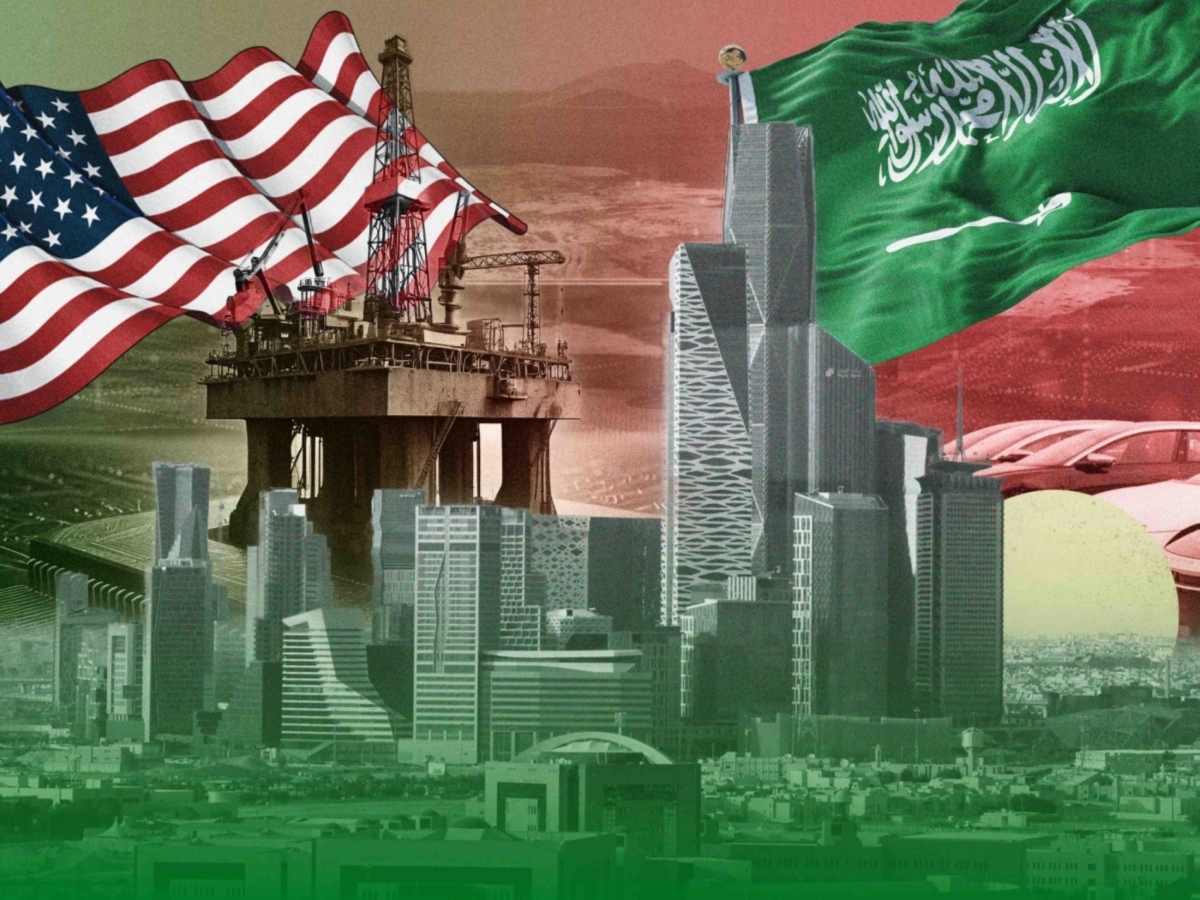
Donald Trump’s foreign policy is brazen, crude and disrespectful. Speaking at the Global Security Forum in Doha a few days ago, Tom Barrack, U.S. envoy to the region, compared the shift in U.S. policy toward the Gulf to "raising a teenager." Addressing Gulf leaders, Barrack stated bluntly: "The bargain is not to own, not to control, but not to leave. We’re not leaving." In short, the traditional "oil-for-security" bargain is dead. The era of unconditional protection is over, and the Gulf states can no longer rely blindly on the American security umbrella.
At first glance, it looks as though Washington is nudging these nations to explore alternative security arrangements — such as building independent defense systems, forging regional alliances and pursuing diplomatic solutions to regional crises. In other words, it seems open to welcoming new players onto the field to handle roles Washington once monopolized. This sounds dangerously close to the gradual dismantling of the bilateral partnership, implying that both sides are walking away from their mutual obligations.
Yet that is not what Washington wants at all. Instead, it is simply looking to shed the heavy burdens, costs and military footprint in the Middle East now that the Far East has become its premier strategic priority. At the same time, it insists on keeping every single perk it has always enjoyed — oil, massive investments and lucrative arms deals — as if nothing has changed. Barrack essentially played the role of a paternalistic guardian lecturing his teenage kids and advising them to stand on their own two feet, provided they keep handing over whatever he wants.
The truth is, none of this is actually new. Washington has been working toward this goal since the Obama administration. Yet some in the Middle East refused to take it seriously, clinging to the belief that the world’s sole superpower could never afford to cut them loose. Then Trump and his team arrived, spelling out with blunt arrogance what past American officials had only whispered. During the very same forum, Barrack dismissed the deployment of U.S. ground troops to Yemen as futile and bound to fail, arguing that self-reliance and political solutions are the way to go. He even shrugged off his country's failure to resolve Middle Eastern conflicts, declaring, "If we look at how many prophets were sent by God to this region, we have 55 Christian prophets, over 100 Islamic prophets, we have another 50 Jewish prophets, and none of them have been able to solve this situation. So, to think that we're going to be able to solve it in just a few years is probably not likely."* But the messages brought by the prophets were sincere and spiritual — they were never about chasing money, leverage and oil.
The irony, of course, is that Barrack’s condescending talk of "teenager" flies completely in the face of the "Gulf Moment" — a concept coined by Emirati political scientist Abdulkhaleq Abdulla. The premise of that term was that the epicenter of Arab politics, economic clout and decision-making power had migrated away from historic capitals like Cairo, Baghdad and Damascus to the capitals of the Gulf. Yet, subsequent events have proved this narrative to be far from realistic. The broader Arab landscape remains deeply precarious. Rather than trading jabs over whose "moment" it is, it would be far better to forge genuine Arab solidarity — free of boasting or superiority complexes. Ultimately, Barrack’s remarks reveal a stark truth: The Americans, and the West in general, do not see an "Arab moment" at all. They simply see prey, and they are competing over who gets to swallow it whole.
*Editor’s note: This quote, though accurately translated, could not be independently verified.
Previous article

Next article