
Donald Trump Yes, but Kamala Harris Was Not Up to the Task
Published in Journal de Montreal
(Canada) on 6 November 2024
by Richard Latendresse (link to
original)
It was unlikely from the start. And it didn’t go much further than that. Kamala Harris, a Black woman with South Asian roots who wasn’t in the race three months ago, had to follow a man whose age had caught up with him, and found herself running an improvised campaign against a candidate who was a convicted felon. In short, it was an inordinate challenge.
Harris’ opponent violated every rule of political decorum and belied all the old certainties of American politics whereby one must try to be as unifying as possible, or surely the least repulsive to moderate voters.
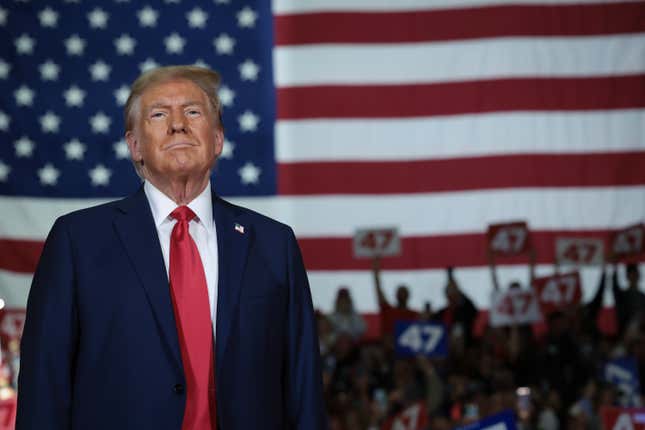
Donald Trump won this election in spite of himself. Until the very last day of the campaign, he was rude, vulgar, aggressive and proud to be so. If voters didn’t punish him, it was because the alternative inspired them even less. That you have to do.
Harris paid the price for her banal, even insignificant vice presidency. She was a weak candidate for the Democratic nomination in 2020. Her party should have thought twice before nominating her. Her campaign’s extreme caution and the vagueness of what she was proposing were enough to distance her from the undecided.
Voters wanted change, something else, anything. They preferred the anything that Trump offered to the Jell-O Harris left on the table.
The blame does not fall entirely on Harris' shoulders. She also ran this presidential race with the ball and chain of an unpopular Biden administration on one leg, and the Democratic agenda on the other.
The party of Bill Clinton and Barack Obama is disconnected from what Americans have become and what they want. The Democrats will have just four years to think about it.
Harris’ opponent violated every rule of political decorum and belied all the old certainties of American politics whereby one must try to be as unifying as possible, or surely the least repulsive to moderate voters.
Donald Trump won this election in spite of himself. Until the very last day of the campaign, he was rude, vulgar, aggressive and proud to be so. If voters didn’t punish him, it was because the alternative inspired them even less. That you have to do.
Harris paid the price for her banal, even insignificant vice presidency. She was a weak candidate for the Democratic nomination in 2020. Her party should have thought twice before nominating her. Her campaign’s extreme caution and the vagueness of what she was proposing were enough to distance her from the undecided.
Voters wanted change, something else, anything. They preferred the anything that Trump offered to the Jell-O Harris left on the table.
The blame does not fall entirely on Harris' shoulders. She also ran this presidential race with the ball and chain of an unpopular Biden administration on one leg, and the Democratic agenda on the other.
The party of Bill Clinton and Barack Obama is disconnected from what Americans have become and what they want. The Democrats will have just four years to think about it.
Previous article
Next article