
Europe Must Not Get Drawn into a War with Iran*
The way Donald Trump’s administration is blackmailing Europe is escalating rapidly. It’s possible that soon we won’t have any say with Washington on this issue.
When U.S. Vice President JD Vance threatened to withdraw American security guarantees a year ago if Europe imposed restrictions on the social media platform X, owned by Trump’s billionaire steward Elon Musk, it was easy to shrug it off because no one was considering such a move at the time. When Trump demanded increased defense spending, most NATO countries rushed to invest in their armed forces — not because of U.S. threats, but because they realized that, after years of underinvestment, European militaries were in poor shape. At the same time, the threat of war with Russia was becoming real for European NATO members. When Trump imposed additional tariffs on Europe, Europeans largely swallowed them. A trade war with the United States was not — and is not — in anyone’s interest.
War with Iran: Rising Costs and Risks
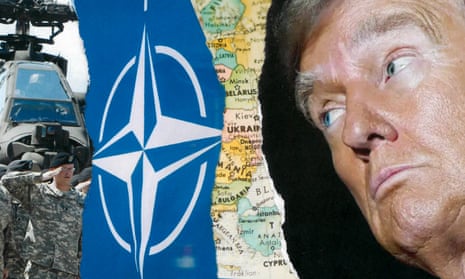
Calls for Europe to support the United States since the onset of the Israeli American air campaign against Iran are raising concerns, not only because they come with threats. Trump recently told The Wall Street Journal that if European countries do not send naval forces to help secure shipping through the Strait of Hormuz, which Iran has threatened to block, it could have serious consequences for the future of NATO. The tone of those remarks suggests the U.S. president is running out of options in responding to Iran. He has started a war he cannot win and doesn’t know how to end. But should Europe help him?
It might be tempting to cite Poland’s far-right movement, which opposes support for Ukraine as it defends itself against Russia’s invasion and says, “This is not our war.” But in fact, the conflict with Iran, which Trump and Israeli Prime Minister Benjamin Netanyahu set in motion, also affects Europe, because the continent is bearing its costs as well. The blockade of the Strait of Hormuz and the halt in oil and gas production by Persian Gulf countries is causing gas prices to rise, fertilizer production to fall and microchip manufacturers and data centers to be hit.
There is a looming global threat of surging inflation and widespread recession. For Europe, it also raises the threat of another migration crisis. A prolonged war could lead to a humanitarian emergency in Iran, a country of 90 million people. It is not hard to imagine where a wave of refugees would go.
And then there is Russia. Since the United States began bombing Iran, Trump has eased off on ending the war in Ukraine and moved to lift sanctions on Russian oil imports. Russian President Vladimir Putin could begin to refill his war chest, something that has direct consequences for Europe’s security.
Trump Plans To Escalate War with Iran
The U.S. media have been shocked to discover that Trump did not prepare for Iran blocking the strategic strait of Hormuz. His advisers assumed that decapitating Iran’s leadership, killing its major military officials and demonstrating overwhelming air superiority would quickly bring the regime to its knees, especially since Iran had been simmering with unrest for months and its theocratic rulers had brutally repressed its population to keep them in line, killing what is estimated to be tens of thousands. But the meticulously executed operation to kill Ayatollah Ali Khamenei failed to produce the same results as the equally precise raid in which U.S. commandos captured Venezuelan President Nicolás Maduro.
Washington underestimated the Iranian regime’s resilience, not realizing it is like a mythical hydra: cut off one head, and two more grow in its place. After four years of drone warfare in Ukraine, U.S. planners failed to account for the likelihood that Iran — now equipped with its own Shahed drones — would target U.S.-allied Persian Gulf states, just as Ukrainian cities have been targeted. In fact, there are possibly American victims, as videos have already shown Iranian drones flying over a U.S. base in Iraq.
Trump is now sending the Marines to the Persian Gulf, a clear signal he intends to escalate the conflict. The Marines’ mission, after all, is to conduct landings on enemy territory. But defeating Iran would require far more than a few battalions; it would take a full-scale ground force.
Europe’s Interest Is in Ending the War with Iran
From the start, an attack on Iran was sheer madness, and Europe cannot allow itself to be drawn in. Having NATO naval forces protect the Strait of Hormuz would put European ships directly in the line of fire.
Let’s not forget that European forces have handled the Iranian drones while protecting shipping in the Red Sea, where Tehran-backed Houthi rebels in Yemen were firing on vessels. Sending support for this U.S. Israeli operation would mean legitimizing it in Europe and taking responsibility for its consequences.
Meanwhile, Trump, by securing Europe’s backing, could prolong the war, allowing U.S. and Israeli air forces to continue targeting the next generation of Iranian political and military leaders — successors to those killed in the initial strikes. All to make it through the midterm elections and boost his poll numbers.
It is in Europe’s interest to end this war as soon as possible through diplomatic means. Key European Union members have their own interests and communication channels in Iran. Some European leaders also have direct access to Trump, though not as closely as Netanyahu does. That access should be used to negotiate a ceasefire between Iran and the United States on terms that allow both sides to feel like winners.
We should ignore Trump’s threats. In the face of the chaos he has drawn the world into, the only thing Europe can realistically do for the United States is help with negotiations.
*Editor’s note: This article can be read in its original Polish with a paid subscription.
When U.S. Vice President JD Vance threatened to withdraw American security guarantees a year ago if Europe imposed restrictions on the social media platform X, owned by Trump’s billionaire steward Elon Musk, it was easy to shrug it off because no one was considering such a move at the time. When Trump demanded increased defense spending, most NATO countries rushed to invest in their armed forces — not because of U.S. threats, but because they realized that, after years of underinvestment, European militaries were in poor shape. At the same time, the threat of war with Russia was becoming real for European NATO members. When Trump imposed additional tariffs on Europe, Europeans largely swallowed them. A trade war with the United States was not — and is not — in anyone’s interest.
War with Iran: Rising Costs and Risks
Calls for Europe to support the United States since the onset of the Israeli American air campaign against Iran are raising concerns, not only because they come with threats. Trump recently told The Wall Street Journal that if European countries do not send naval forces to help secure shipping through the Strait of Hormuz, which Iran has threatened to block, it could have serious consequences for the future of NATO. The tone of those remarks suggests the U.S. president is running out of options in responding to Iran. He has started a war he cannot win and doesn’t know how to end. But should Europe help him?
It might be tempting to cite Poland’s far-right movement, which opposes support for Ukraine as it defends itself against Russia’s invasion and says, “This is not our war.” But in fact, the conflict with Iran, which Trump and Israeli Prime Minister Benjamin Netanyahu set in motion, also affects Europe, because the continent is bearing its costs as well. The blockade of the Strait of Hormuz and the halt in oil and gas production by Persian Gulf countries is causing gas prices to rise, fertilizer production to fall and microchip manufacturers and data centers to be hit.
There is a looming global threat of surging inflation and widespread recession. For Europe, it also raises the threat of another migration crisis. A prolonged war could lead to a humanitarian emergency in Iran, a country of 90 million people. It is not hard to imagine where a wave of refugees would go.
And then there is Russia. Since the United States began bombing Iran, Trump has eased off on ending the war in Ukraine and moved to lift sanctions on Russian oil imports. Russian President Vladimir Putin could begin to refill his war chest, something that has direct consequences for Europe’s security.
Trump Plans To Escalate War with Iran
The U.S. media have been shocked to discover that Trump did not prepare for Iran blocking the strategic strait of Hormuz. His advisers assumed that decapitating Iran’s leadership, killing its major military officials and demonstrating overwhelming air superiority would quickly bring the regime to its knees, especially since Iran had been simmering with unrest for months and its theocratic rulers had brutally repressed its population to keep them in line, killing what is estimated to be tens of thousands. But the meticulously executed operation to kill Ayatollah Ali Khamenei failed to produce the same results as the equally precise raid in which U.S. commandos captured Venezuelan President Nicolás Maduro.
Washington underestimated the Iranian regime’s resilience, not realizing it is like a mythical hydra: cut off one head, and two more grow in its place. After four years of drone warfare in Ukraine, U.S. planners failed to account for the likelihood that Iran — now equipped with its own Shahed drones — would target U.S.-allied Persian Gulf states, just as Ukrainian cities have been targeted. In fact, there are possibly American victims, as videos have already shown Iranian drones flying over a U.S. base in Iraq.
Trump is now sending the Marines to the Persian Gulf, a clear signal he intends to escalate the conflict. The Marines’ mission, after all, is to conduct landings on enemy territory. But defeating Iran would require far more than a few battalions; it would take a full-scale ground force.
Europe’s Interest Is in Ending the War with Iran
From the start, an attack on Iran was sheer madness, and Europe cannot allow itself to be drawn in. Having NATO naval forces protect the Strait of Hormuz would put European ships directly in the line of fire.
Let’s not forget that European forces have handled the Iranian drones while protecting shipping in the Red Sea, where Tehran-backed Houthi rebels in Yemen were firing on vessels. Sending support for this U.S. Israeli operation would mean legitimizing it in Europe and taking responsibility for its consequences.
Meanwhile, Trump, by securing Europe’s backing, could prolong the war, allowing U.S. and Israeli air forces to continue targeting the next generation of Iranian political and military leaders — successors to those killed in the initial strikes. All to make it through the midterm elections and boost his poll numbers.
It is in Europe’s interest to end this war as soon as possible through diplomatic means. Key European Union members have their own interests and communication channels in Iran. Some European leaders also have direct access to Trump, though not as closely as Netanyahu does. That access should be used to negotiate a ceasefire between Iran and the United States on terms that allow both sides to feel like winners.
We should ignore Trump’s threats. In the face of the chaos he has drawn the world into, the only thing Europe can realistically do for the United States is help with negotiations.
*Editor’s note: This article can be read in its original Polish with a paid subscription.
Previous article
Next article
