
Once Again, Imperialism Is Concealed by Rhetoric
Published in Listín Diario
(Dominican Republic) on 25 May 2026
by Alfredo Freites (link to
original)
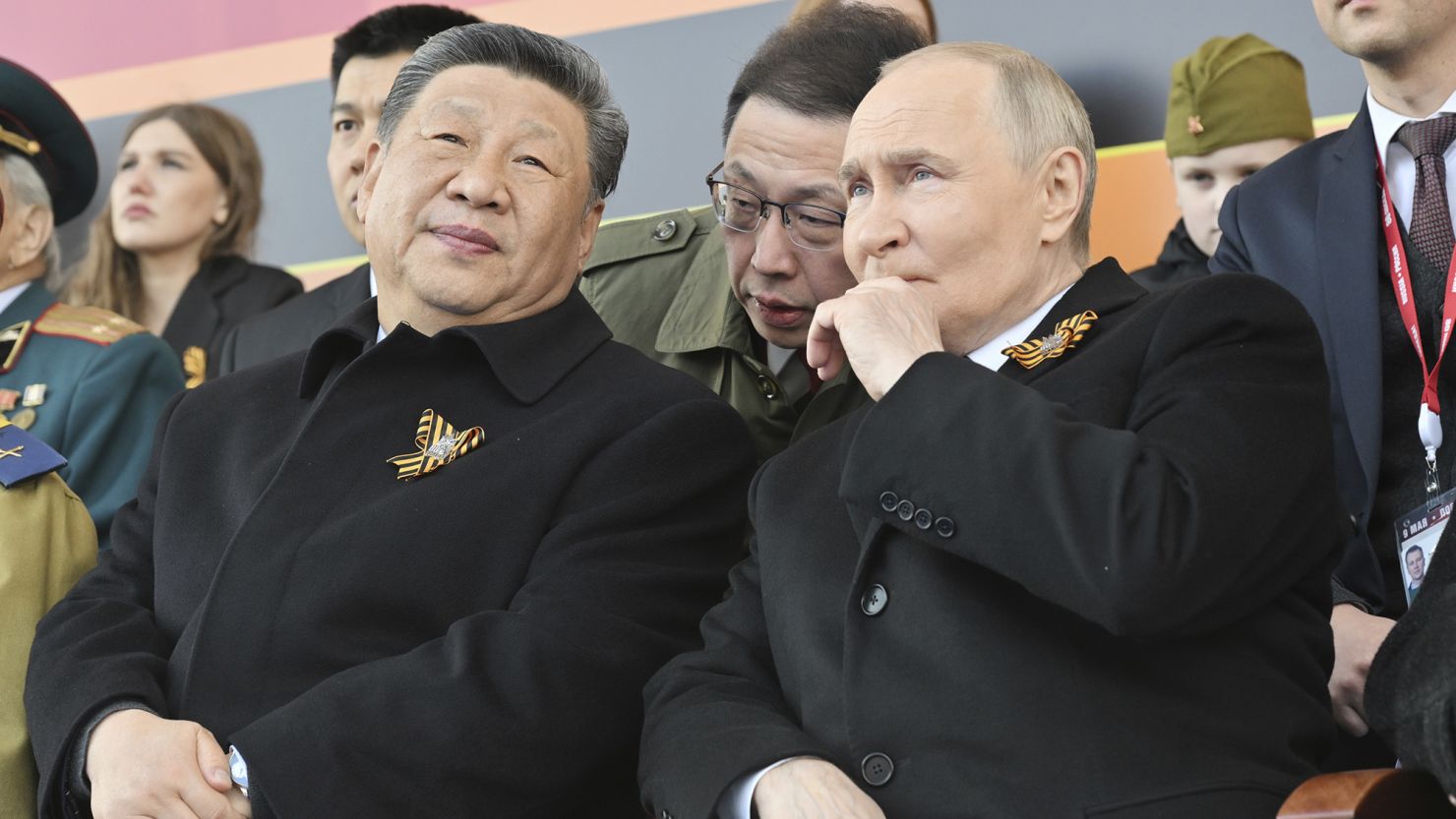
Russian leader Vladimir Putin recently signed a number of cooperative agreements with China amid ongoing political and economic tension. The news comes after President Donald Trump and other world leaders made the final stop of their international tour in Beijing, the new center of the world.
Yet, the latest meeting between Russia and China was not all sunshine and rainbows. Neither was the one between Trump and Chinese leader Xi Jinping. China may have agreed to economic collaboration, but this does not extend to military support, as it is unwilling to enter a war.
Every world leader knows what’s going on: America is losing its grip on global power. They also know that a weakening of the U.S. dollar could catalyze an unprecedented global economic crisis. No nation understands this better than China, which is why it is resisting violence for as long as possible to avoid incurring substantial damage to its export revenue.
America’s strength is also its weakness. Devaluation of the dollar as a currency exchange mechanism forces the U.S. to increase its national debt — this number now exceeds $39 trillion, as some of its allies move away from dealing in American currency. The star-spangled banner is entering dangerous territory.
China refused to sign business agreements with Russia, particularly in relation to oil and gas; these would have created dependency on China's northern neighbor as a sole energy supplier. Xi and Putin are acting like a married couple that refuse to sleep in the same bed. Nevertheless, unlike the meeting with Trump, it was more than just a load of hot air.
In a single generation, we have watched China evolve from being seen as a producer of "knockoff" goods to establishing itself as the global leader in manufacturing. Many of its brands now dominate international markets. At the same time, the U.S. has abandoned manufacturing, importing increasingly more products from China as a result. The same is happening in Europe, too: American goods now barely get a look-see on a continent that was once accustomed to U.S. commercial hegemony.
How did we get here? To answer this question, we can analyze the 81 years that have passed since the U.S. ascended to the international throne at the end of World War II.
At the end of the 19th century, Great Britain’s grip on global power was slipping, with America gaining momentum. Europeans were debating the principles of social democracy but, in the end, it was a Russian variant that contaminated the world and seized control.
Yet, the latest meeting between Russia and China was not all sunshine and rainbows. Neither was the one between Trump and Chinese leader Xi Jinping. China may have agreed to economic collaboration, but this does not extend to military support, as it is unwilling to enter a war.
Every world leader knows what’s going on: America is losing its grip on global power. They also know that a weakening of the U.S. dollar could catalyze an unprecedented global economic crisis. No nation understands this better than China, which is why it is resisting violence for as long as possible to avoid incurring substantial damage to its export revenue.
America’s strength is also its weakness. Devaluation of the dollar as a currency exchange mechanism forces the U.S. to increase its national debt — this number now exceeds $39 trillion, as some of its allies move away from dealing in American currency. The star-spangled banner is entering dangerous territory.
China refused to sign business agreements with Russia, particularly in relation to oil and gas; these would have created dependency on China's northern neighbor as a sole energy supplier. Xi and Putin are acting like a married couple that refuse to sleep in the same bed. Nevertheless, unlike the meeting with Trump, it was more than just a load of hot air.
In a single generation, we have watched China evolve from being seen as a producer of "knockoff" goods to establishing itself as the global leader in manufacturing. Many of its brands now dominate international markets. At the same time, the U.S. has abandoned manufacturing, importing increasingly more products from China as a result. The same is happening in Europe, too: American goods now barely get a look-see on a continent that was once accustomed to U.S. commercial hegemony.
How did we get here? To answer this question, we can analyze the 81 years that have passed since the U.S. ascended to the international throne at the end of World War II.
At the end of the 19th century, Great Britain’s grip on global power was slipping, with America gaining momentum. Europeans were debating the principles of social democracy but, in the end, it was a Russian variant that contaminated the world and seized control.
Previous article
Next article