Global Trumpism Is Running Out of Steam
The president of the United States has become a burden for his populist partners. However, the discontent that catapulted him into power is still alive in many levels of Western society.
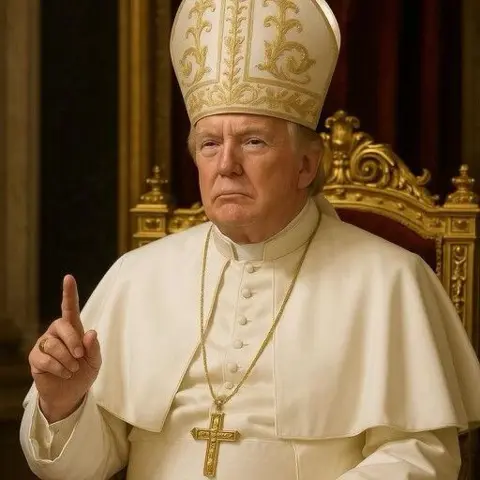
Donald Trump and Giorgia Meloni’s public clash is another symptom of the erosion of the U.S. president’s authority, even among his most loyal followers. Trump’s relationship with Meloni went from collaboration with his close European ally to rebuking her in public because she criticized his attacks on the pope. In only a few months, Trump has gone from being the great figurehead of global populism to a bad luck charm. Meloni, who from the start defended him against the resistance from European capitals, was forced to distance herself from him following his criticism of Pope Leo XIV. His words created huge discomfort for a leader whose actions in government have been founded on the defense of Catholic values.
The change in how people see Trumpism has been sharpened by the direction of U.S. foreign policy. The war with Iran has been a turning point: an impromptu conflict with vague and changeable objectives and contradictory messages. There is a clear division between Trump and his allies. He did not inform them about the offensive in advance, but after the event demanded that they get help unblock the Strait of Hormuz.
Operation Epic Fury, launched unilaterally and without any clearly defined objective, has evolved erraticly, combining apocalyptic rhetoric with calls for negotiation. The result is geopolitical and economic chaos: tensions in the energy markets, a rise in the price of oil, signs of a slow-down, the threat of inflation. The overall picture is increasingly negative. Far from providing stability at the helm of the world’s leading power, Trump has multiplied uncertainty and, at the same time, the risk of a global recession.
All of this has opened a rift in the political ecosystem that revolves around him. The most telling example is Viktor Orban, the great European pawn of Trumpism who made Hungary his laboratory on the continent. Neither Vice President JD Vance’s involvement in Orban’s election campaign, nor the promise of economic aid, such as Washington offered Javier Milei’s Argentina, prevented Orban’s defeat at the ballot box.
It is important to remember that neither the war in Iran nor Orban’s defeat means the end of the political cycle that carried Trump into power. The economic and cultural discontent and concerns over identity that fed it have not gone away. In many levels of society in the Western world, doubts persist about globalization. There is antagonism toward the elite and a sense of lack of control. What has changed is that Trump is no longer seen as a defender of these interests, but as a risk factor that could torpedo them. The question is whether traditional parties can channel this volume of discontent toward an alternative that offers economic prosperity and a political narrative that does not ignore people’s anxieties about culture and identity.
Donald Trump and Giorgia Meloni’s public clash is another symptom of the erosion of the U.S. president’s authority, even among his most loyal followers. Trump’s relationship with Meloni went from collaboration with his close European ally to rebuking her in public because she criticized his attacks on the pope. In only a few months, Trump has gone from being the great figurehead of global populism to a bad luck charm. Meloni, who from the start defended him against the resistance from European capitals, was forced to distance herself from him following his criticism of Pope Leo XIV. His words created huge discomfort for a leader whose actions in government have been founded on the defense of Catholic values.
The change in how people see Trumpism has been sharpened by the direction of U.S. foreign policy. The war with Iran has been a turning point: an impromptu conflict with vague and changeable objectives and contradictory messages. There is a clear division between Trump and his allies. He did not inform them about the offensive in advance, but after the event demanded that they get help unblock the Strait of Hormuz.
Operation Epic Fury, launched unilaterally and without any clearly defined objective, has evolved erraticly, combining apocalyptic rhetoric with calls for negotiation. The result is geopolitical and economic chaos: tensions in the energy markets, a rise in the price of oil, signs of a slow-down, the threat of inflation. The overall picture is increasingly negative. Far from providing stability at the helm of the world’s leading power, Trump has multiplied uncertainty and, at the same time, the risk of a global recession.
All of this has opened a rift in the political ecosystem that revolves around him. The most telling example is Viktor Orban, the great European pawn of Trumpism who made Hungary his laboratory on the continent. Neither Vice President JD Vance’s involvement in Orban’s election campaign, nor the promise of economic aid, such as Washington offered Javier Milei’s Argentina, prevented Orban’s defeat at the ballot box.
It is important to remember that neither the war in Iran nor Orban’s defeat means the end of the political cycle that carried Trump into power. The economic and cultural discontent and concerns over identity that fed it have not gone away. In many levels of society in the Western world, doubts persist about globalization. There is antagonism toward the elite and a sense of lack of control. What has changed is that Trump is no longer seen as a defender of these interests, but as a risk factor that could torpedo them. The question is whether traditional parties can channel this volume of discontent toward an alternative that offers economic prosperity and a political narrative that does not ignore people’s anxieties about culture and identity.
Previous article
Next article