Iran Gives Trump No Respite before the Midterm Elections
In anticipation of a new round of fighting in November, Tehran presents a revised plan that is unacceptable to the U.S.
The eighth month of the Iran war, which, according to U.S. President Donald Trump was supposed to last just a few weeks, is beginning. Even the most dispassionate analysts warn of the danger that the war could enter a new, potentially fatal phase for the region and beyond. Tehran, where the regime has survived in an even more aggressive form, finds itself in a stalemate. But they have no intention of giving Trump a break before the midterms.
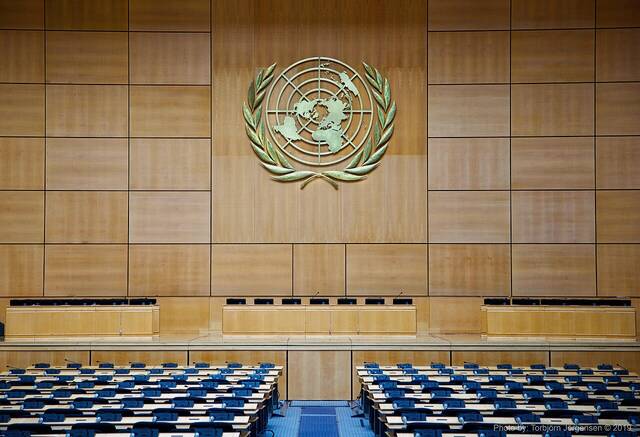
The assumption behind this is that Trump is more likely to make good on his threats after the midterms than before, with a return to a full-scale war — a move that is hotly contested even among Republicans. This means that the status quo may have run its course as a frozen conflict that flares up only sporadically with high costs, but that doesn't run the world economy into the ground. Tehran doesn't trust him. But this opens a window of opportunity for diplomacy, as is evident in New York.
Major Concessions
Iran's present plan is logical in its approach, but unrealistic as it reverts to Trump's biggest political blunder to date: June's "Memorandum of Understanding," which was unpopular in light of the fact that the war could no longer be easily won. Unpopular and expensive. America made major concessions at the time, which, as it soon recognized, was a mistake.
Iran wants to return to the MoU, but Trump clearly does not, for political as well as practical implications: Iran's role in controlling the Strait of Hormuz. The MoU amounted to an admission that the Islamic Republic of Iran had held its ground against the U.S. and its co-attacker, Israel.
That is why the Iranians have now sweetened the deal, not in substance, but in timing. This is a gift for a U.S. president on the campaign trail, although the U.S. would need to make large financial concessions and end military operations. It would require that the Strait of Hormuz be reopened after seven days, not 30 as in the June MoU, and nuclear negotiations would begin immediately, not at some point in the future.
A rapid reopening of the bottleneck in the Persian Gulf would therefore be possible because Iran and Oman, the other country bordering the Strait of Hormuz, have an agreement on shipping routes ready to go. In theory, the Iran-Oman deal should also receive the approval of all the other Arab Gulf states; however, this has become more difficult since Saudi Arabia has been under constant fire from the Iranian-backed Yemeni Houthis.
A Tricky Situation
Iran's ace in the hole on the other side of the Iranian peninsula, the Houthis' control of the Bab al-Mandab Strait, is thus also a strain on Iranian-Arab diplomacy. A meeting of the "Mecca Defense Pact" between Saudi Arabia, Pakistan and Turkey has taken place for the first time.
The Iranian regime remains unimpressed; no substantive concessions are in sight. Trump responds not only with the usual threats of annihilation against all of Iran, including its people, but also with the initiative to block air routes to and from Iran. But the more the screws are tightened, the more Tehran views an expanded round of the war as the only way out of the situation.
The eighth month of the Iran war, which, according to U.S. President Donald Trump was supposed to last just a few weeks, is beginning. Even the most dispassionate analysts warn of the danger that the war could enter a new, potentially fatal phase for the region and beyond. Tehran, where the regime has survived in an even more aggressive form, finds itself in a stalemate. But they have no intention of giving Trump a break before the midterms.
The assumption behind this is that Trump is more likely to make good on his threats after the midterms than before, with a return to a full-scale war — a move that is hotly contested even among Republicans. This means that the status quo may have run its course as a frozen conflict that flares up only sporadically with high costs, but that doesn't run the world economy into the ground. Tehran doesn't trust him. But this opens a window of opportunity for diplomacy, as is evident in New York.
Major Concessions
Iran's present plan is logical in its approach, but unrealistic as it reverts to Trump's biggest political blunder to date: June's "Memorandum of Understanding," which was unpopular in light of the fact that the war could no longer be easily won. Unpopular and expensive. America made major concessions at the time, which, as it soon recognized, was a mistake.
Iran wants to return to the MoU, but Trump clearly does not, for political as well as practical implications: Iran's role in controlling the Strait of Hormuz. The MoU amounted to an admission that the Islamic Republic of Iran had held its ground against the U.S. and its co-attacker, Israel.
That is why the Iranians have now sweetened the deal, not in substance, but in timing. This is a gift for a U.S. president on the campaign trail, although the U.S. would need to make large financial concessions and end military operations. It would require that the Strait of Hormuz be reopened after seven days, not 30 as in the June MoU, and nuclear negotiations would begin immediately, not at some point in the future.
A rapid reopening of the bottleneck in the Persian Gulf would therefore be possible because Iran and Oman, the other country bordering the Strait of Hormuz, have an agreement on shipping routes ready to go. In theory, the Iran-Oman deal should also receive the approval of all the other Arab Gulf states; however, this has become more difficult since Saudi Arabia has been under constant fire from the Iranian-backed Yemeni Houthis.
A Tricky Situation
Iran's ace in the hole on the other side of the Iranian peninsula, the Houthis' control of the Bab al-Mandab Strait, is thus also a strain on Iranian-Arab diplomacy. A meeting of the "Mecca Defense Pact" between Saudi Arabia, Pakistan and Turkey has taken place for the first time.
The Iranian regime remains unimpressed; no substantive concessions are in sight. Trump responds not only with the usual threats of annihilation against all of Iran, including its people, but also with the initiative to block air routes to and from Iran. But the more the screws are tightened, the more Tehran views an expanded round of the war as the only way out of the situation.
Previous article
Next article