
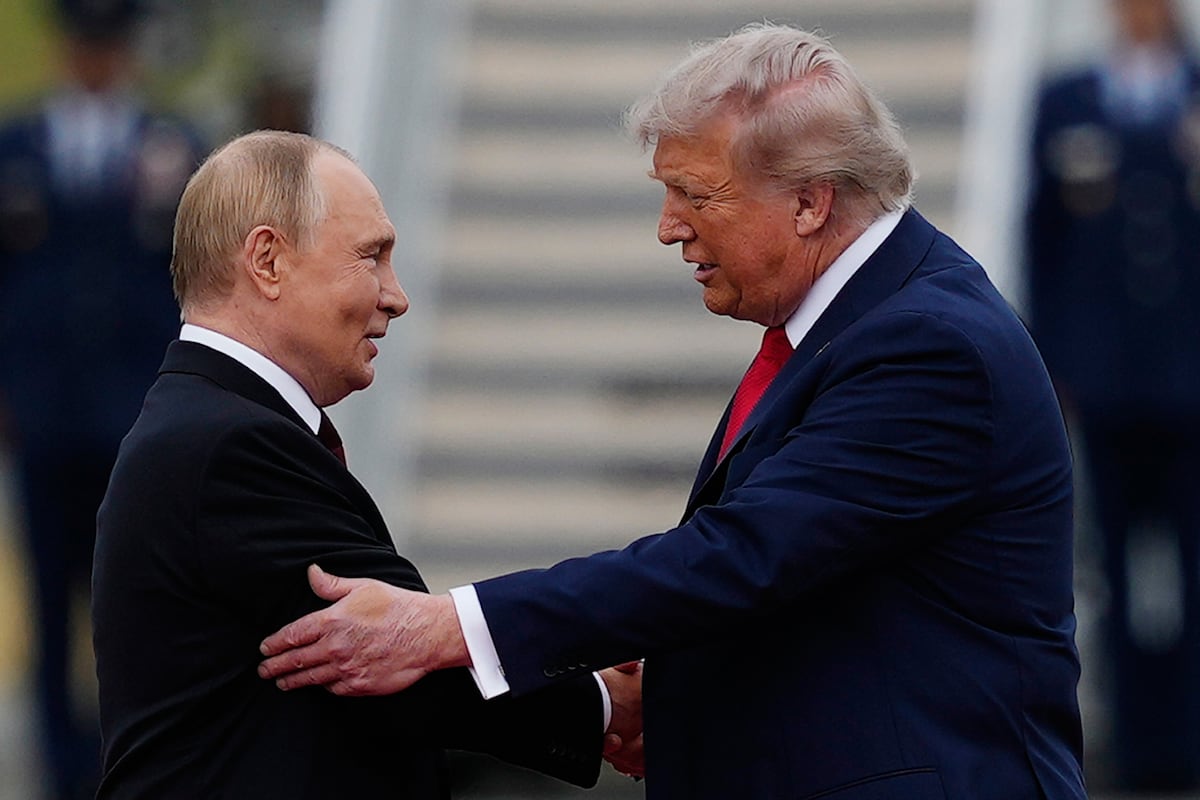
Do Not Give In to Putin and Trump
Europe cannot delegate the future of Ukraine to Russia and the U.S. or agree to negotiate its security with the Kremlin
Ukraine is living through critical times. After the humiliation in the midterm elections on Nov. 3, Donald Trump has renewed attempts to negotiate peace with Vladimir Putin. The U.S. envoys — Trump’s son-in-law Jared Kushner and real estate investor Steve Witkoff — traveled to Moscow on Thursday and then to Dublin on Friday, where they met with Volodymyr Zelenskyy and leaders of the European Union. This could be an opportunity to put an end to four and a half years of war that began with the Russian invasion and has left hundreds of thousands of dead and wounded on both sides. However, all the signs call for the utmost distrust. Russia, the aggressor, continues to refuse to respect the sovereignty of the country under attack and to put a stop to the killing. And, in collusion with the White House, Russia has again set out unacceptable demands such as the revision of Europe’s security architecture. Europe cannot delegate its future to Putin or Trump — this would be an act of recklessness.
As Trump’s envoys suggested this week, it is essential that Europe have a place at the table. This will avoid discussions about the end of the war taking place behind the backs of both Europe and Ukraine, which is what happened a year ago during the failed peace negotiations. Nobody in the world gives Kyiv as much support as the EU. It is unacceptable that while acts of hybrid warfare and incidents of interference in European territory multiply, Russia should also impose conditions on the EU’s participation in negotiations. Nor is the intention to design a new European security system to suit Moscow acceptable — an idea recently circulated by the Trump administration. The security system already exists and is based on institutions such as the EU and NATO, and respect for borders and international law. Exactly what the Kremlin violates and defies.
It is a delicate time. Trump may be tempted to look for a quick settlement with Putin and accept all the concessions asked for. Meanwhile, in Europe there is another danger: Those who sympathize with Moscow could take power and abandon the country under attack. French presidential elections could bring Marine Le Pen to power. In Germany, the Alternative for Germany party is ahead in the polls. The AfD is another far-right party that is pushing for the abandonment of what has been, until now, the consensus of the “27” [the 27 members of the EU]. What stands out in the platform of Vox — a far-right party hoping to gain power in the upcoming Spanish elections on Nov. 29 — is the absence of any reference to Ukraine. None of this provides an excuse for Europe to lower its guard or cede to Putin or Trump. On the contrary, it is time for Europe to redouble its commitment in the face of the Russian threat and bring all its weight to bear in all discussions about Ukraine: The future of Ukraine is the future of the continent.
Previous article