
The 2nd Declaration of Havana Today
Before a crowd of more than a million people gathered in Revolution Square on Feb. 4, 1962, Cmdr. Fidel Castro Ruz presented the Second Declaration of Havana, a landmark document of the Cuban Revolution. With this statement, “The duty of every revolutionary is to make the revolution,” and the central idea that revolution is possible in other Latin American countries, he inspired the action of thousands of young people dissatisfied with the life offered by the capitalist world in the decades that followed.
This declaration was a response to the imperialist onslaught that sought to isolate Cuba on the international stage. After the Eighth Consultation Meeting of Foreign Ministers of the Organization of American States in Punta del Este in late January 1962, it was decided that Cuba would be expelled from the OAS and that relations between those countries and the nascent revolution would be severed. As the author of the Second Declaration, Fidel’s response affirmed the socialist nature of the revolution, noting that at the meeting in Punta del Este, Uruguay, “Cuba spoke for socialism and the United States for capitalism,” adding that such revolutions were also possible for other Latin American countries.
Fidel taught that, in the face of imperialist aggression, the answer was to take the offensive, providing a vivid illustration in recounting his experience with a picúa, a barracuda that chased him while he was swimming. The more Fidel retreated, the bolder the fish became, and only when he decided to turn around and confront the creature did it retreat. But what does taking the offensive mean today? It means affirming the socialist character of the Cuban Revolution: to recognize that solidarity with Cuba is not only humanitarian, but is also the defense of a social project that stands in opposition to capitalism.
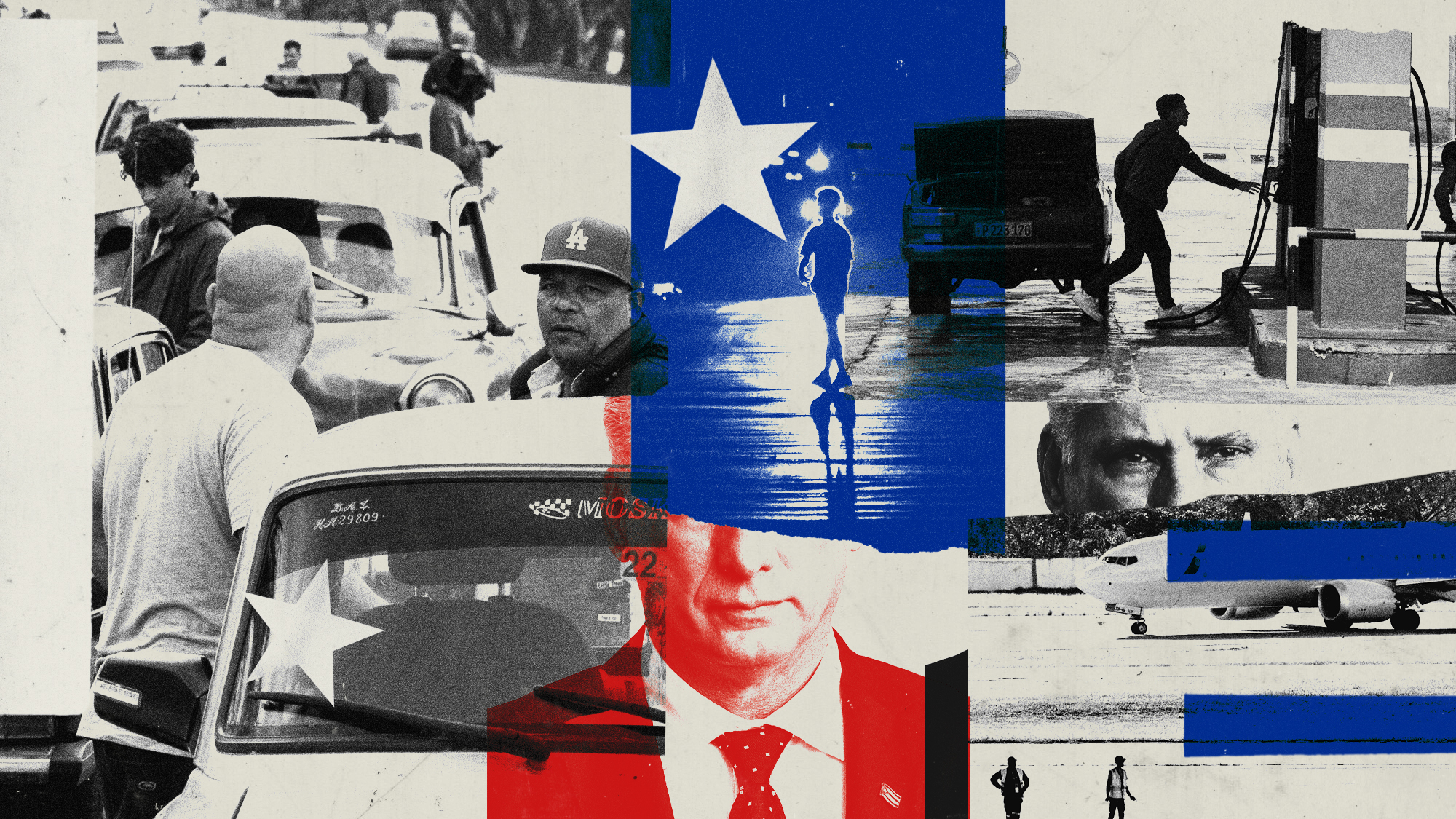
The socialist character of the Cuban Revolution first appeared in the First Declaration of Havana on Sept. 2, 1960. Made public at the rally on April 16, 1961, it was the reason for unleashing a virulent imperialist attack on the people of Cuba. The embrace of socialism led to the imperialist imposition of the economic and commercial embargo against Cuba, the military invasion at the Bay of Pigs, terrorist actions and the hundreds of assassination attempts on Fidel Castro’s life; and it is has led to Donald Trump’s current executive order to restrict oil supplies to Cuba.
Although capitalist propagandists question the possibility of socialist revolution today, it remains as possible as it was in 1962. According to the Second Declaration of Havana, revolution results from genuine conditions present during an imperialist crisis; today, we are living through a clash between a world that is being born and an old world that is dying. Through aggression against Cuba, imperialism seeks to shield itself from new revolutions that will emerge once the Pandora’s box of the coming global war is opened. In the past and today, monopolies that attack Cuba seek to dispel the fear that torments them — and the specter of revolution.
Against the backdrop of growing antagonism between the U.S. and Chinese economies and their respective imperialist alliances, the continued existence of the Cuban Revolution poses two problems for imperialism as it heads toward a future global conflagration. On the one hand, and for imperialism in general, Cuba represents a living example that the alternative to imperialist war and barbarism is socialism. On the other hand, for U.S. monopolies in particular, Cuba’s survival poses an obstacle to the complete alignment of the region’s countries with the United States in its confrontation against China — the path dictated by the new U.S. National Security Strategy.
However, imperialism forgets that the principles of the Second Declaration, which affirm that revolutions cannot be exported, also remain valid. Cuba is proof that revolution is possible and that the people can bring it about. This lesson, given to the world, is now irreversible; however, the peaceful people of José Martí can teach the world yet another lesson in the confrontation with imperialism by fulfilling the warning that the Chilean poet Pablo Neruda wrote for U.S. monopolies in his Canto General: “Do not enter Cuba, for from the marine glow of the sweaty sugarcane fields, there is but a single dark gaze awaiting you, a single cry between being killed or killing.”
As the aggression toward Cuba intensifies, the solidarity of the world’s workers is essential. The solidarity of the peoples of the world with the Cuban people and their revolution must now involve taking action to break the energy blockade imposed on Cuba. For the people of Mexico, this means asserting national sovereignty so that intimidation by other governments is not tolerated; so that trade in Mexican oil to the Cuban people is restored.
Demanding the shipment of oil to Cuba is a step through which the working people of Mexico can affirm their independence from imperialist decisions — from U.S. imperialism and from that which is nestled within our own nation. It is the first step toward affirming the validity of the final verdict of the Second Revolution of Havana: that humanity has said “enough!” and has set out on its path, and that its march will not be stopped.
Angel Chávez-Mancilla is a historian at the Mexico’s National School of Anthropology and History.
This declaration was a response to the imperialist onslaught that sought to isolate Cuba on the international stage. After the Eighth Consultation Meeting of Foreign Ministers of the Organization of American States in Punta del Este in late January 1962, it was decided that Cuba would be expelled from the OAS and that relations between those countries and the nascent revolution would be severed. As the author of the Second Declaration, Fidel’s response affirmed the socialist nature of the revolution, noting that at the meeting in Punta del Este, Uruguay, “Cuba spoke for socialism and the United States for capitalism,” adding that such revolutions were also possible for other Latin American countries.
Fidel taught that, in the face of imperialist aggression, the answer was to take the offensive, providing a vivid illustration in recounting his experience with a picúa, a barracuda that chased him while he was swimming. The more Fidel retreated, the bolder the fish became, and only when he decided to turn around and confront the creature did it retreat. But what does taking the offensive mean today? It means affirming the socialist character of the Cuban Revolution: to recognize that solidarity with Cuba is not only humanitarian, but is also the defense of a social project that stands in opposition to capitalism.
The socialist character of the Cuban Revolution first appeared in the First Declaration of Havana on Sept. 2, 1960. Made public at the rally on April 16, 1961, it was the reason for unleashing a virulent imperialist attack on the people of Cuba. The embrace of socialism led to the imperialist imposition of the economic and commercial embargo against Cuba, the military invasion at the Bay of Pigs, terrorist actions and the hundreds of assassination attempts on Fidel Castro’s life; and it is has led to Donald Trump’s current executive order to restrict oil supplies to Cuba.
Although capitalist propagandists question the possibility of socialist revolution today, it remains as possible as it was in 1962. According to the Second Declaration of Havana, revolution results from genuine conditions present during an imperialist crisis; today, we are living through a clash between a world that is being born and an old world that is dying. Through aggression against Cuba, imperialism seeks to shield itself from new revolutions that will emerge once the Pandora’s box of the coming global war is opened. In the past and today, monopolies that attack Cuba seek to dispel the fear that torments them — and the specter of revolution.
Against the backdrop of growing antagonism between the U.S. and Chinese economies and their respective imperialist alliances, the continued existence of the Cuban Revolution poses two problems for imperialism as it heads toward a future global conflagration. On the one hand, and for imperialism in general, Cuba represents a living example that the alternative to imperialist war and barbarism is socialism. On the other hand, for U.S. monopolies in particular, Cuba’s survival poses an obstacle to the complete alignment of the region’s countries with the United States in its confrontation against China — the path dictated by the new U.S. National Security Strategy.
However, imperialism forgets that the principles of the Second Declaration, which affirm that revolutions cannot be exported, also remain valid. Cuba is proof that revolution is possible and that the people can bring it about. This lesson, given to the world, is now irreversible; however, the peaceful people of José Martí can teach the world yet another lesson in the confrontation with imperialism by fulfilling the warning that the Chilean poet Pablo Neruda wrote for U.S. monopolies in his Canto General: “Do not enter Cuba, for from the marine glow of the sweaty sugarcane fields, there is but a single dark gaze awaiting you, a single cry between being killed or killing.”
As the aggression toward Cuba intensifies, the solidarity of the world’s workers is essential. The solidarity of the peoples of the world with the Cuban people and their revolution must now involve taking action to break the energy blockade imposed on Cuba. For the people of Mexico, this means asserting national sovereignty so that intimidation by other governments is not tolerated; so that trade in Mexican oil to the Cuban people is restored.
Demanding the shipment of oil to Cuba is a step through which the working people of Mexico can affirm their independence from imperialist decisions — from U.S. imperialism and from that which is nestled within our own nation. It is the first step toward affirming the validity of the final verdict of the Second Revolution of Havana: that humanity has said “enough!” and has set out on its path, and that its march will not be stopped.
Angel Chávez-Mancilla is a historian at the Mexico’s National School of Anthropology and History.
Previous article

Next article