A Ship Adrift
The United States today appears to be caught in a trap deliberately set by President Donald Trump, whose foreign policy resembles a cane for the blind; no one knows in which quagmire it might next find itself.
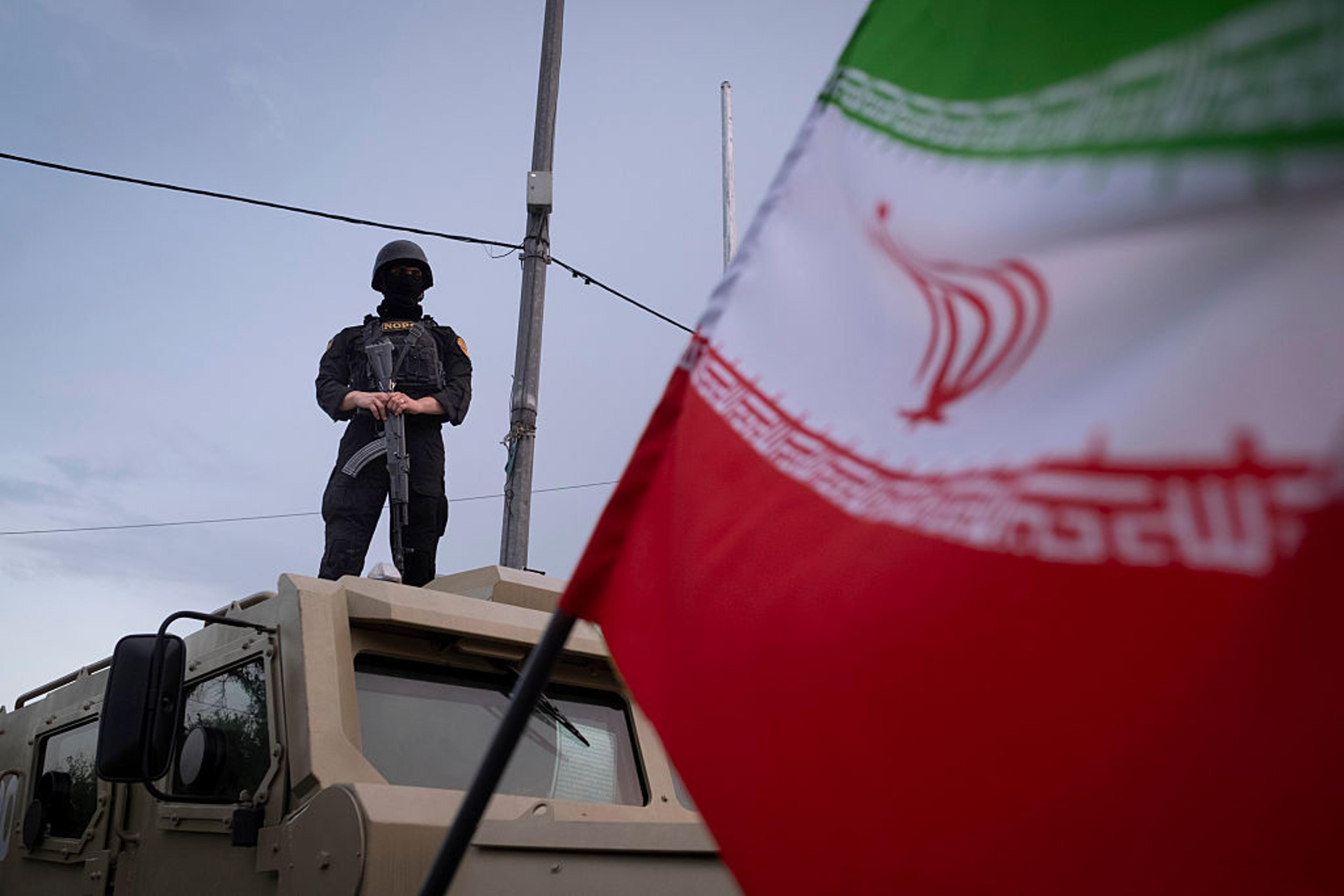
Mired in the Iranian crisis, Uncle Sam’s country is navigating a minefield like a half-blind giant, unable to devise a coherent strategy, much less find a way out that will let it emerge with its head held high.
With neither war nor agreement, the American status quo, in place since the beginning of the fragile truce between Tehran and the U.S.-Zionist coalition, feels like an extended stalemate. Every move is dictated neither by prudence nor national interest, but by the need to appease an ally whose militant choices shape U.S. politics.
It will come as no surprise that we are talking about Israel. Fervently opposed to any compromise with Iran, the Jewish state, with its extreme demands and genocidal tendencies, has effectively become the driving force behind U.S. foreign policy in the Middle East.
Washington has threatened, sanctioned and deployed its forces, all while keeping one eye on Tel Aviv. The Zionist Prime Minister Benjamin Netanyahu and his government’s extremist clique shuts down any effort to negotiate, and their demands are treated like orders the U.S. administration is expected to carry out without question, even if it ultimately leads nowhere.
Every move by the White House is driven by the need to reassure its Israeli acolyte who constantly calls for confrontation and aggression. America has effectively become a hostage to a belligerent and embarrassing ally that is concerned more with imposing its own apocalyptic vision than securing a region it seeks by any means possible to bring to heel.
It must be said that, for years, Washington has been playing with fire in the Middle East, alternating between crippling sanctions and conspicuous displays of force. All against the backdrop of an unjust foreign policy that has caused appalling suffering among civilian populations in the occupied territories of Lebanon, Syria and Iraq, among others.
This particularly aggressive policy, pursued relentlessly for many decades, has done nothing but plunge the entire region into the depths of chaos and permanent instability.
The current crisis, marked by yet another sordid and simmering war that has led to the closure of the Strait of Hormuz, is ultimately the logical consequence of this risky and extremely dangerous policy favored by a United States that continues to amass mistakes and incur significant military and diplomatic costs. These errors are harming not only American interests, but also, and above all, those of the rest of the world.
When America gets drunk from waging endless wars, paradoxically the whole planet wakes up with a terrible hangover.
Soaring oil prices on the international market, with all the ups and downs that follow for many economies around the world, are primarily the result of rash and ill-considered decisions taken behind the closed doors of the White House and under the watchful eye of the warmongering American administration.
Between arrogance, poor foresight, and an obsession with international image, Washington is sinking into a Middle East quagmire that it no longer controls. The illusion of power is crumbling. The United States, which claims to be imposing order, finds itself a powerless spectator to a crisis that it no longer knows how to resolve.
Ultimately, U.S. entanglement in the Iranian crisis is much more than a simple strategic failure. It is proof that a global power can become hostage to the dangerous choices of an ally with dubious intentions, incapable of charting its own course, and condemned to navigate in uncertainty. Neither war nor agreement. Only a stalemate that is costing everyone dearly, except, perhaps, for those pulling the strings.
In this bleak climate marked by expectation and uncertainty, United States allies in the region are watching the situation unfold with skepticism and concern, while Iran observes unfazed and maneuvers with the assurance of one who knows that its adversary is trapped by its own contradictions.
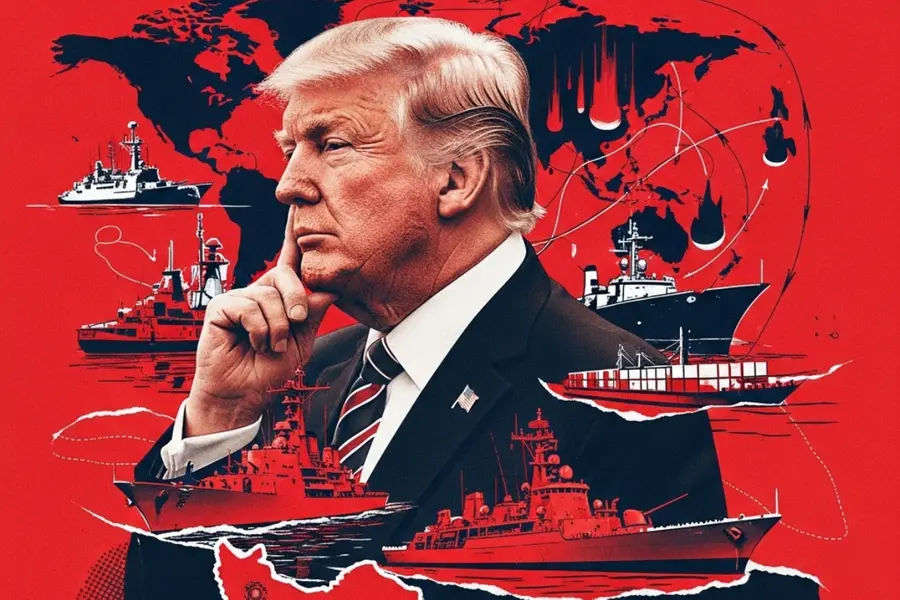
Iran’s leaders, cunning strategists well-versed in the vagaries and vicissitudes of hardship, know full well that America is lost in a labyrinth it cannot find its way out of, accumulating blunder after blunder, and giving the impression of a ship adrift that has lost its bearings in the midst of a storm.
Mired in the Iranian crisis, Uncle Sam’s country is navigating a minefield like a half-blind giant, unable to devise a coherent strategy, much less find a way out that will let it emerge with its head held high.
With neither war nor agreement, the American status quo, in place since the beginning of the fragile truce between Tehran and the U.S.-Zionist coalition, feels like an extended stalemate. Every move is dictated neither by prudence nor national interest, but by the need to appease an ally whose militant choices shape U.S. politics.
It will come as no surprise that we are talking about Israel. Fervently opposed to any compromise with Iran, the Jewish state, with its extreme demands and genocidal tendencies, has effectively become the driving force behind U.S. foreign policy in the Middle East.
Washington has threatened, sanctioned and deployed its forces, all while keeping one eye on Tel Aviv. The Zionist Prime Minister Benjamin Netanyahu and his government’s extremist clique shuts down any effort to negotiate, and their demands are treated like orders the U.S. administration is expected to carry out without question, even if it ultimately leads nowhere.
Every move by the White House is driven by the need to reassure its Israeli acolyte who constantly calls for confrontation and aggression. America has effectively become a hostage to a belligerent and embarrassing ally that is concerned more with imposing its own apocalyptic vision than securing a region it seeks by any means possible to bring to heel.
It must be said that, for years, Washington has been playing with fire in the Middle East, alternating between crippling sanctions and conspicuous displays of force. All against the backdrop of an unjust foreign policy that has caused appalling suffering among civilian populations in the occupied territories of Lebanon, Syria and Iraq, among others.
This particularly aggressive policy, pursued relentlessly for many decades, has done nothing but plunge the entire region into the depths of chaos and permanent instability.
The current crisis, marked by yet another sordid and simmering war that has led to the closure of the Strait of Hormuz, is ultimately the logical consequence of this risky and extremely dangerous policy favored by a United States that continues to amass mistakes and incur significant military and diplomatic costs. These errors are harming not only American interests, but also, and above all, those of the rest of the world.
When America gets drunk from waging endless wars, paradoxically the whole planet wakes up with a terrible hangover.
Soaring oil prices on the international market, with all the ups and downs that follow for many economies around the world, are primarily the result of rash and ill-considered decisions taken behind the closed doors of the White House and under the watchful eye of the warmongering American administration.
Between arrogance, poor foresight, and an obsession with international image, Washington is sinking into a Middle East quagmire that it no longer controls. The illusion of power is crumbling. The United States, which claims to be imposing order, finds itself a powerless spectator to a crisis that it no longer knows how to resolve.
Ultimately, U.S. entanglement in the Iranian crisis is much more than a simple strategic failure. It is proof that a global power can become hostage to the dangerous choices of an ally with dubious intentions, incapable of charting its own course, and condemned to navigate in uncertainty. Neither war nor agreement. Only a stalemate that is costing everyone dearly, except, perhaps, for those pulling the strings.
In this bleak climate marked by expectation and uncertainty, United States allies in the region are watching the situation unfold with skepticism and concern, while Iran observes unfazed and maneuvers with the assurance of one who knows that its adversary is trapped by its own contradictions.
Iran’s leaders, cunning strategists well-versed in the vagaries and vicissitudes of hardship, know full well that America is lost in a labyrinth it cannot find its way out of, accumulating blunder after blunder, and giving the impression of a ship adrift that has lost its bearings in the midst of a storm.
Previous article

Next article