
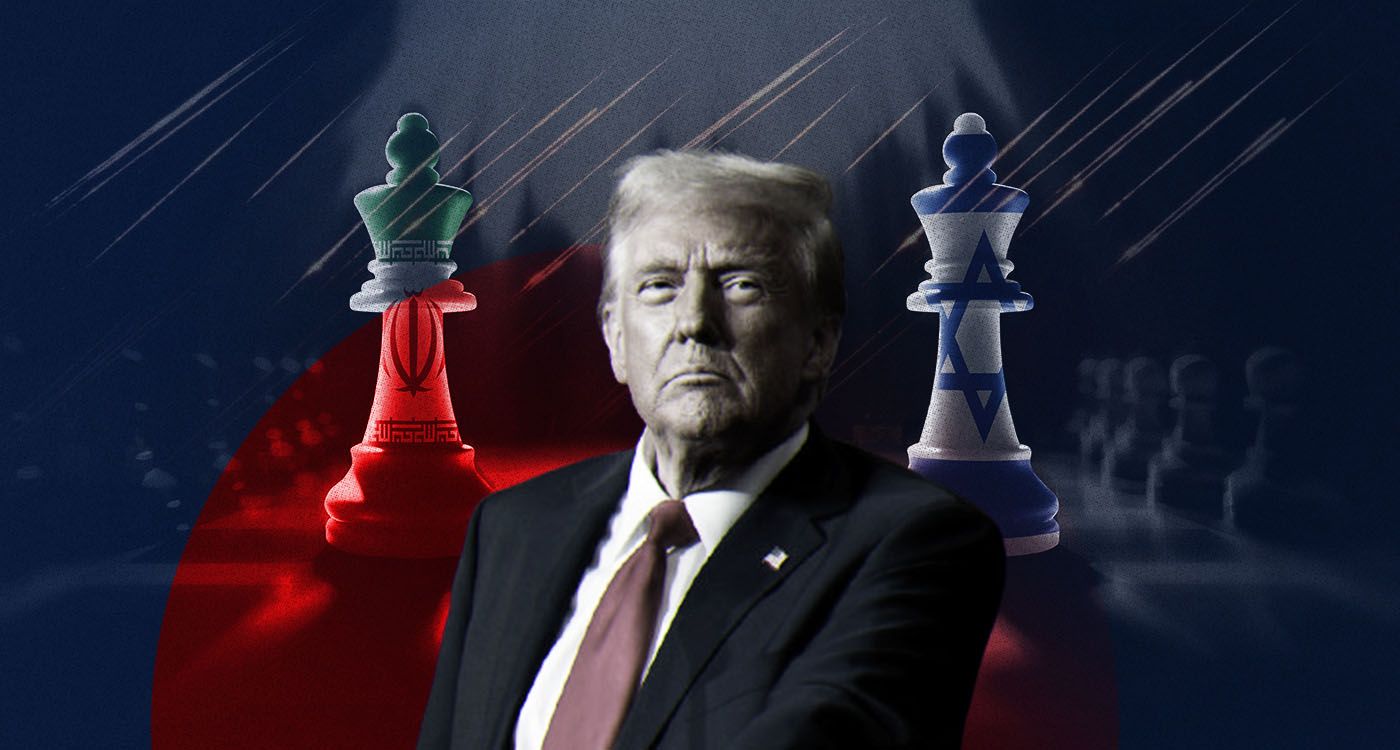
Trump’s Calculation Is Not Working Out
Published in Frankfurter Allgemeine Zeitung
(Germany) on 9 March 2026
by Nikolas Busse (link to
original)
With the appointment of Mojtaba Khamenei, the Iranian regime is showing that it isn't thinking of giving up. Trump faces a problem that the West has failed to solve many times.
After 10 days, it is difficult to form a realistic image of the military situation in and around Iran. The good news from Washington doesn’t fit the fact that Iran continues to successfully bombard its neighbors and Israel. The confident rhetoric from Tehran doesn’t fit the fact that direct damage is rather low.
However, the selection of Mojtaba Khamenei as the new Supreme Leader is an unmistakable signal that the regime is not thinking of giving up. The Venezuela model has not worked in Iran so far. Despite massive airstrikes, Trump could not prevent the country’s leadership from being transferred to a man whom he had explicitly rejected.
Both Sides Have a Disadvantage
Will anything change as the duration of the war increases? It would depend on technical prerequisites on both sides, the key word being ammunition. But each side has a strategic disadvantage. Iran is lacking firepower as more of its weapons are being destroyed. The American-Israeli alliance in turn cannot adequately control the course of events without ground troops.
Trump is essentially confronted again with a situation of asymmetrical warfare that the West has failed to solve many times in recent history. Iran is far inferior to its attackers, and that is why it is pivoting to different targets: America’s allies, the global oil markets, and, finally, public opinion in the United States. The outcome is undetermined.
Previous article
Next article