Trump Powerless against Xi
The U.S. president lands in China weighed down by weakness due to his erratic policy.
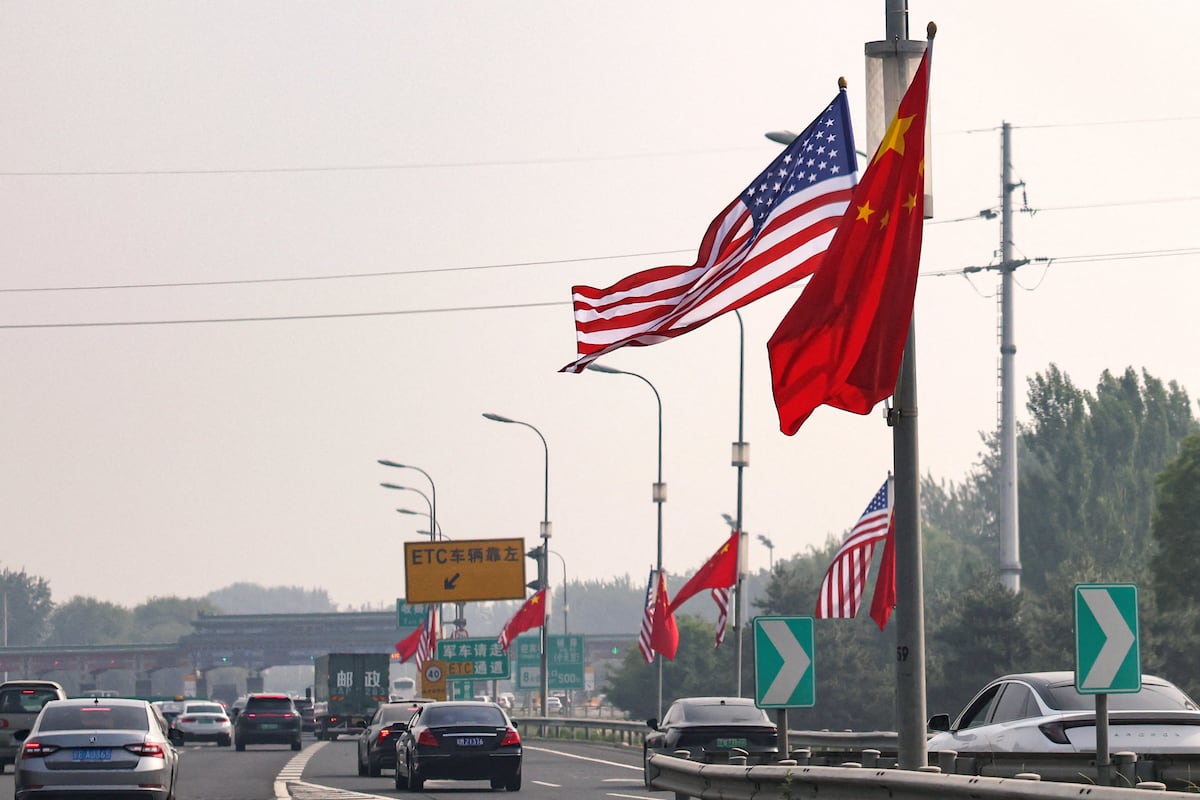
President Donald Trump’s visit to Beijing on Thursday and Friday this week to meet with Chinese President Xi Jinping will not be a meeting of equals. Trump cannot help emit an air of weakness in the face of his major geostrategic rival. The U.S. president in a tricky position thanks to gross errors provoked not by sudden crises but by himself; his erratic tariff policy, his military adventurism in the Near East and his role in undermining NATO, among others. The big unknown lies in determining whether the party that suffers the most in this dialogue will be Taiwan. The protection of the island, until now a top priority for the U.S., could be left to the mercy of any linguistic vagaries of a president who pays little attention to verbal subtlety. Ukraine can attest to that.
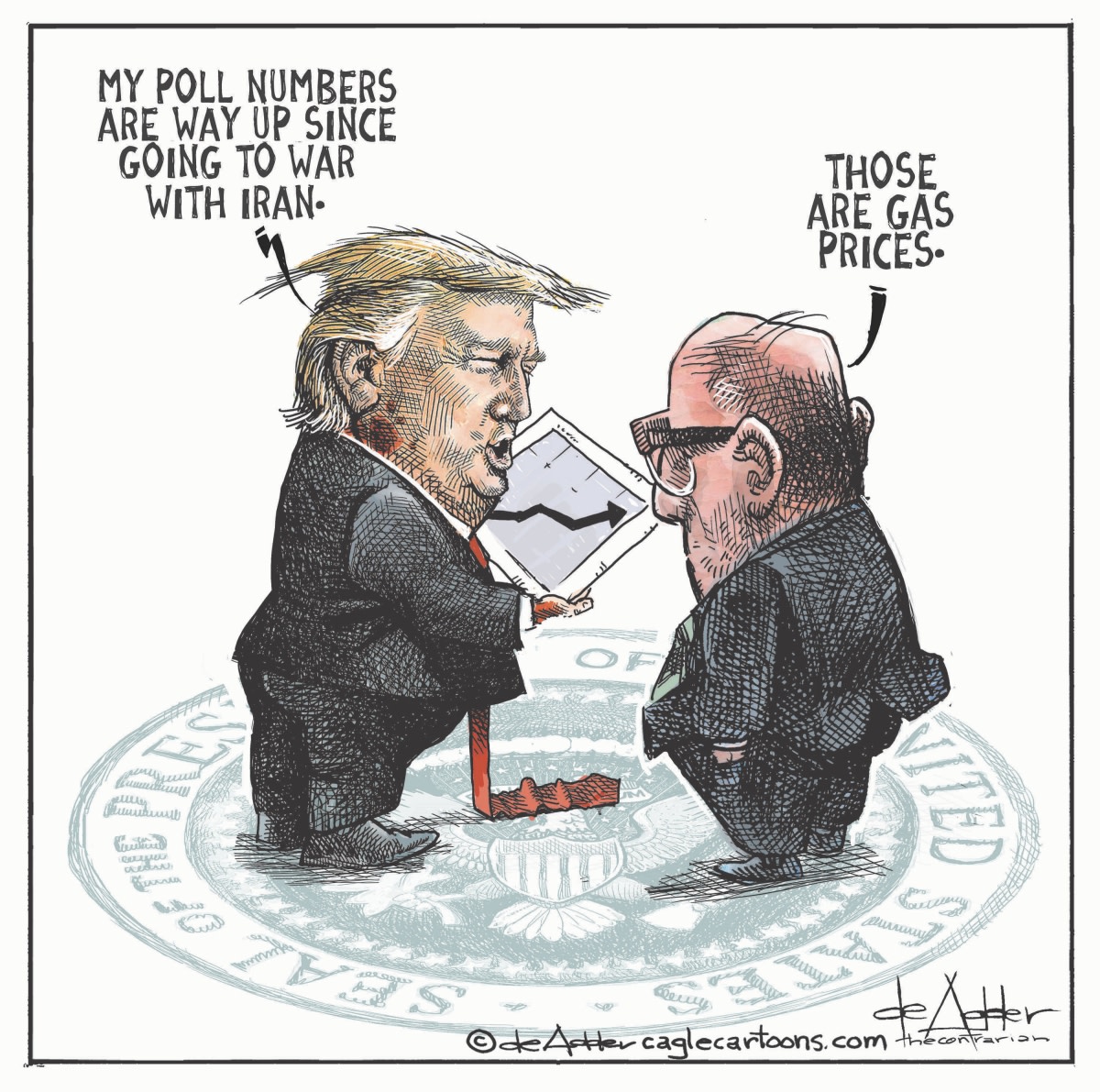
The meeting between the leaders of the world’s two most powerful countries should have taken place in the middle of April, a few days after the U.S. and Israeli attacks on Iran began. Trump hoped to land in the Chinese capital with the armed conflict already resolved, but as has become customary under his administration, not only have his triumphalist predictions not come true, but he arrives in Beijing with a military conflict that no one can say for sure is ongoing or over and that is also causing serious economic consequences worldwide.
What awaits Trump is a regime that exerts strict control over 1.4 billion people and a nuclear superpower with essentially a monopoly of rare earth metals that are fundamental to the U.S. tech industry. An economic and military rival that, in the last few months, has seen how Trump has transformed the U.S.’s role on the world stage from being the anchor of the West and international law to [the world’s] main disruptor. Without any fanfare, Xi Jinping has meanwhile directed a strategic rapprochement to India, Canada and Europe, and particularly to Spain. At the same time, [China] has remained cautious with respect to the blockade of the Strait of Hormuz, despite the fact it is impacting their energy supply. China just gave a grand welcome to Iran’s minister of Foreign of Affairs, defending Tehran’s right to develop its current nuclear program, one of the very reasons Trump had for initiating his attack.
Trump is immersed in a particular dynamic — bogged with the war in Iran and growing pressure in his administration as the November midterms approach— that forces him to show some kind of tangible or performative success from this trip. In this context, there may be progress in trade matters. But, free from that pressure, Xi could take advantage of the situation to ask Trump for concessions that may seem insignificant but are actually crucial. The most feared concession in Taiwan is that Washington would go from not supporting the island’s independence —as it is doing now— to stating its opposition explicitly. It seems like a matter of semantics, however, it would give Beijing a crucial trump card to force reunification. We need to remember that this is not a long-standing territorial dispute. Taiwan accounts for 90% of the world’s production of advanced chips. A blockade similar to that of the Strait of Hormuz would have devasting effects on the global economy.
A summit that would normally send a reassuring message and promote clearer regulations faces total uncertainty thanks to the weakness of the United States. The only person to blame for this is Trump.
President Donald Trump’s visit to Beijing on Thursday and Friday this week to meet with Chinese President Xi Jinping will not be a meeting of equals. Trump cannot help emit an air of weakness in the face of his major geostrategic rival. The U.S. president in a tricky position thanks to gross errors provoked not by sudden crises but by himself; his erratic tariff policy, his military adventurism in the Near East and his role in undermining NATO, among others. The big unknown lies in determining whether the party that suffers the most in this dialogue will be Taiwan. The protection of the island, until now a top priority for the U.S., could be left to the mercy of any linguistic vagaries of a president who pays little attention to verbal subtlety. Ukraine can attest to that.
The meeting between the leaders of the world’s two most powerful countries should have taken place in the middle of April, a few days after the U.S. and Israeli attacks on Iran began. Trump hoped to land in the Chinese capital with the armed conflict already resolved, but as has become customary under his administration, not only have his triumphalist predictions not come true, but he arrives in Beijing with a military conflict that no one can say for sure is ongoing or over and that is also causing serious economic consequences worldwide.
What awaits Trump is a regime that exerts strict control over 1.4 billion people and a nuclear superpower with essentially a monopoly of rare earth metals that are fundamental to the U.S. tech industry. An economic and military rival that, in the last few months, has seen how Trump has transformed the U.S.’s role on the world stage from being the anchor of the West and international law to [the world’s] main disruptor. Without any fanfare, Xi Jinping has meanwhile directed a strategic rapprochement to India, Canada and Europe, and particularly to Spain. At the same time, [China] has remained cautious with respect to the blockade of the Strait of Hormuz, despite the fact it is impacting their energy supply. China just gave a grand welcome to Iran’s minister of Foreign of Affairs, defending Tehran’s right to develop its current nuclear program, one of the very reasons Trump had for initiating his attack.
Trump is immersed in a particular dynamic — bogged with the war in Iran and growing pressure in his administration as the November midterms approach— that forces him to show some kind of tangible or performative success from this trip. In this context, there may be progress in trade matters. But, free from that pressure, Xi could take advantage of the situation to ask Trump for concessions that may seem insignificant but are actually crucial. The most feared concession in Taiwan is that Washington would go from not supporting the island’s independence —as it is doing now— to stating its opposition explicitly. It seems like a matter of semantics, however, it would give Beijing a crucial trump card to force reunification. We need to remember that this is not a long-standing territorial dispute. Taiwan accounts for 90% of the world’s production of advanced chips. A blockade similar to that of the Strait of Hormuz would have devasting effects on the global economy.
A summit that would normally send a reassuring message and promote clearer regulations faces total uncertainty thanks to the weakness of the United States. The only person to blame for this is Trump.
Previous article
Next article